
With the growing frequency of crisis happening across the globe, it is essential to cultivate capacity through mutual aid networks of support to stand together in global solidarity and align efforts for the health and well being of people and planet.
As a place-based approach to community resilience, mutual aid prioritizes and self-organizes to collect, share and distribute resources. In moments of crisis, whether caused by natural disasters, economic downturns, or global pandemics, the cracks in our societal structures become glaringly apparent. Alongside these challenges, we witness an extraordinary outpouring of solidarity and care—a testament to the power of mutual aid and community action.
What is Mutual Aid?
Mutual aid is a voluntary, reciprocal exchange of resources and services for mutual benefit. Unlike charity, which can sometimes reinforce hierarchical structures, mutual aid emphasizes collective responsibility and equality. It operates on the principle that communities are best positioned to identify and address their own needs, creating resilience and empowerment from within.
The Roots of Mutual Aid
The concept of mutual aid is far from new. Historically, communities have come together during times of hardship to share resources and protect one another. From cooperative farming practices in rural areas to urban neighborhood watch programs, mutual aid has been a cornerstone of human survival and progress.
In the modern era, mutual aid has taken on new forms, from grassroots disaster relief efforts to digital networks connecting individuals with resources during global crises.
Why Mutual Aid Matters in Crisis
- Filling Gaps in Institutional Support • During crises, government and large-scale organizations often struggle to provide timely and adequate support. Mutual aid groups can act swiftly to meet immediate needs, offering food, shelter, medical supplies, and emotional support.
- Strengthening Social Bonds • Mutual aid fosters a sense of belonging and trust within communities. By working together, individuals develop stronger relationships and a shared sense of purpose.
- Expanded Access to Resources • Often, the most vulnerable populations are overlooked in traditional relief efforts. Mutual aid ensures that these groups have a voice and access to resources, addressing systemic inequities.
- Building Long-Term Resilience • Beyond immediate relief, mutual aid networks can serve as a foundation for long-term community resilience, promoting self-sufficiency and collective problem-solving.
How to Participate in Mutual Aid
- Join Local Groups • Look for mutual aid networks in your area. Many communities have social media groups or websites dedicated to organizing efforts.
- Share Your Resources • Whether it’s food, clothing, skills, or time, every contribution matters.
- Amplify Voices • Use your platform to raise awareness of mutual aid initiatives and advocate for those in need.
- Practice Solidarity, Not Charity • Approach mutual aid with the understanding that we are all interconnected, and supporting others strengthens the entire community.
Challenges and Opportunities
While mutual aid is a powerful tool for community resilience, it is not without its challenges. Sustaining efforts over time, avoiding burnout, and ensuring inclusivity are common obstacles. However, these can be mitigated through clear communication, shared leadership, and the use of technology to streamline coordination. The rise of digital platforms has expanded the reach and efficiency of mutual aid networks, enabling communities to mobilize faster and connect across geographic boundaries.
In times of crisis, mutual aid reminds us of a fundamental truth: we are stronger together. By prioritizing collective care and community-driven solutions, we can not only weather storms but also build a more equitable and compassionate society.
Innovative solutions, collaborations and community engagement are essential for coastal cities.
With our Future of Cities HQ based in Miami, coastal resilience is at the heart of our mission to transform urban environments into sustainable, thriving ecosystems. The ReefLine’s 7 mile underwater sculpture park represents a shared commitment to innovation, environmental stewardship, and community engagement while revealing the complexities of implementing such a project with the ocean floor as its canvas. This initiative lays the foundation for cross-sector collaborations merging public art, creative placemaking, marine & material science with regenerative development.
The Power in Cross-Sector Collaboration
Located off Miami Beach, this seven-mile underwater sculpture park offers a regenerative solution to coastal cities while celebrating Miami’s unique cultural identity. The ReefLine is founded on the principle that “artistic creation can pave the way for nature-positive scientific innovation.”
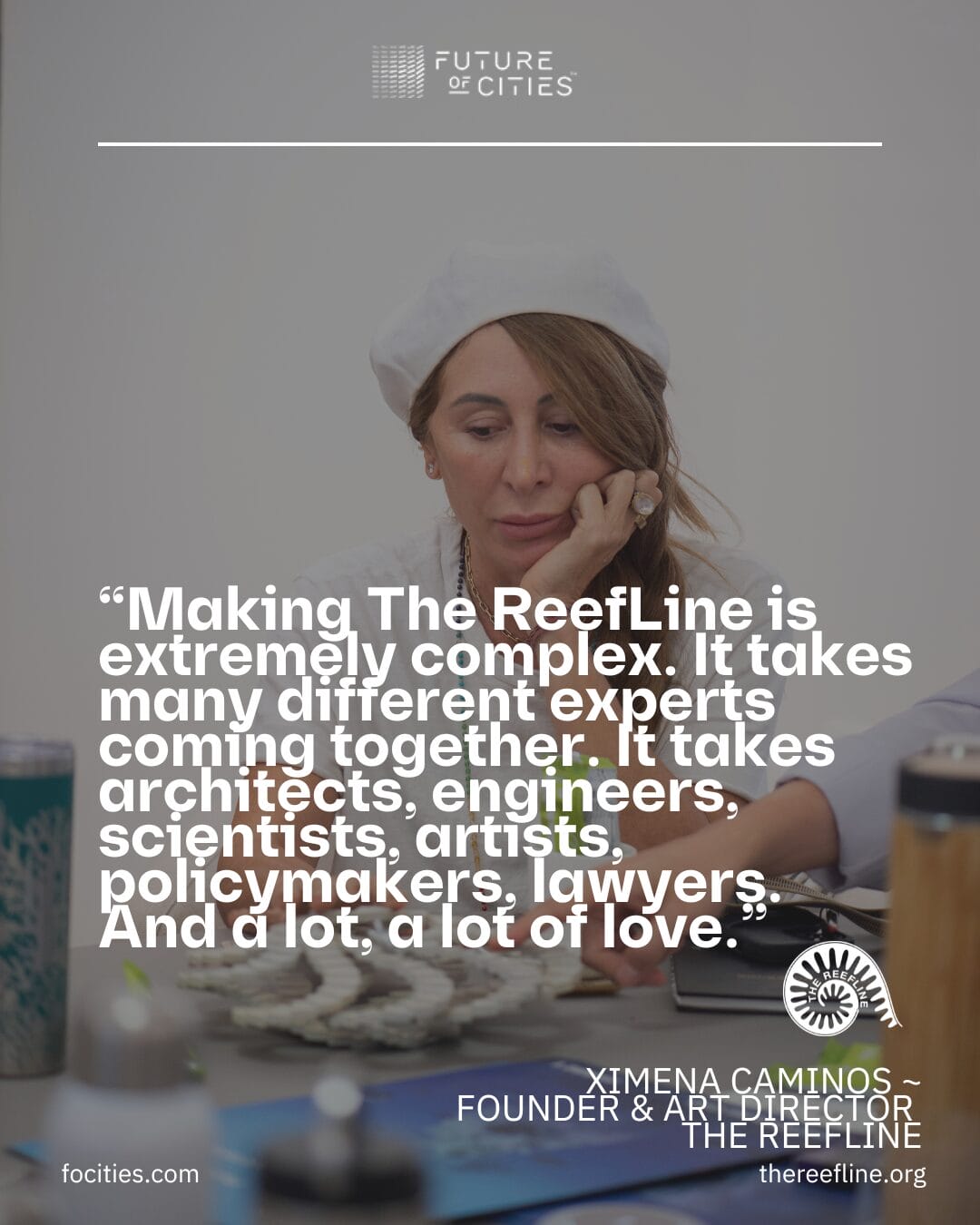
“Making The ReefLine is extremely complex. It takes many different experts coming together. It takes architects, engineers, scientists, artists, policymakers, lawyers. And a lot, a lot of love.”
Ximena Caminos, Founder & Artistic Director of The ReefLine
Collaboration is essential for The ReefLine’s success. Experts from diverse fields, including architects, marine biologists, artists, and engineers are coming together to bring this ambitious project to life.
Why Miami? Coastal Resilience Through Regeneration
“Miami is the Atlantis of our generation, and there’s no better place to prototype solutions like what’s happening here.”
Tony Cho, Founder of Future of Cities
Miami Beach’s unique geography and cultural diversity make it the perfect location for The ReefLine to be deployed as a demonstration of art, ecology & community engagement for nature-positive scientific innovation. The ReefLine’s innovative approach combines the imagination of artists with the observations of scientists, engineers and architects to cultivate ecosystems and connect communities. This project is a testament to the potential of interdisciplinary collaboration in addressing coastal climate challenges.
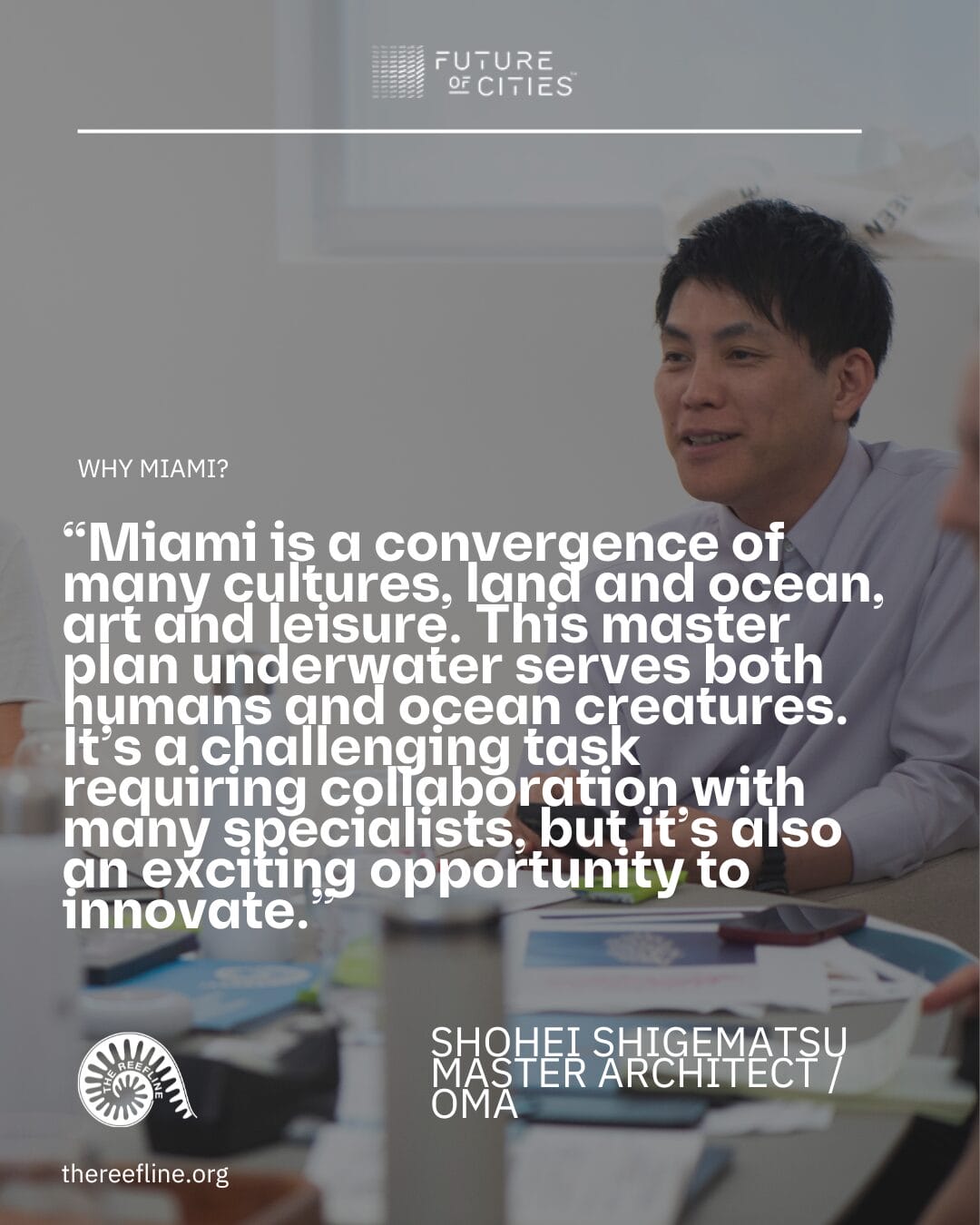
“We strongly feel that this could have only happened in Miami, because I think Miami is a converging point of many cultures, but also land and ocean, art and leisure.”
Shohei Shigematsu, Master Architect OMA NY
The ReefLine serves as a powerful educational and interactive community experience, one which empowers its local and global observers to get involved in expanding their environmental awareness.
Eco-Innovations for Community Engagement
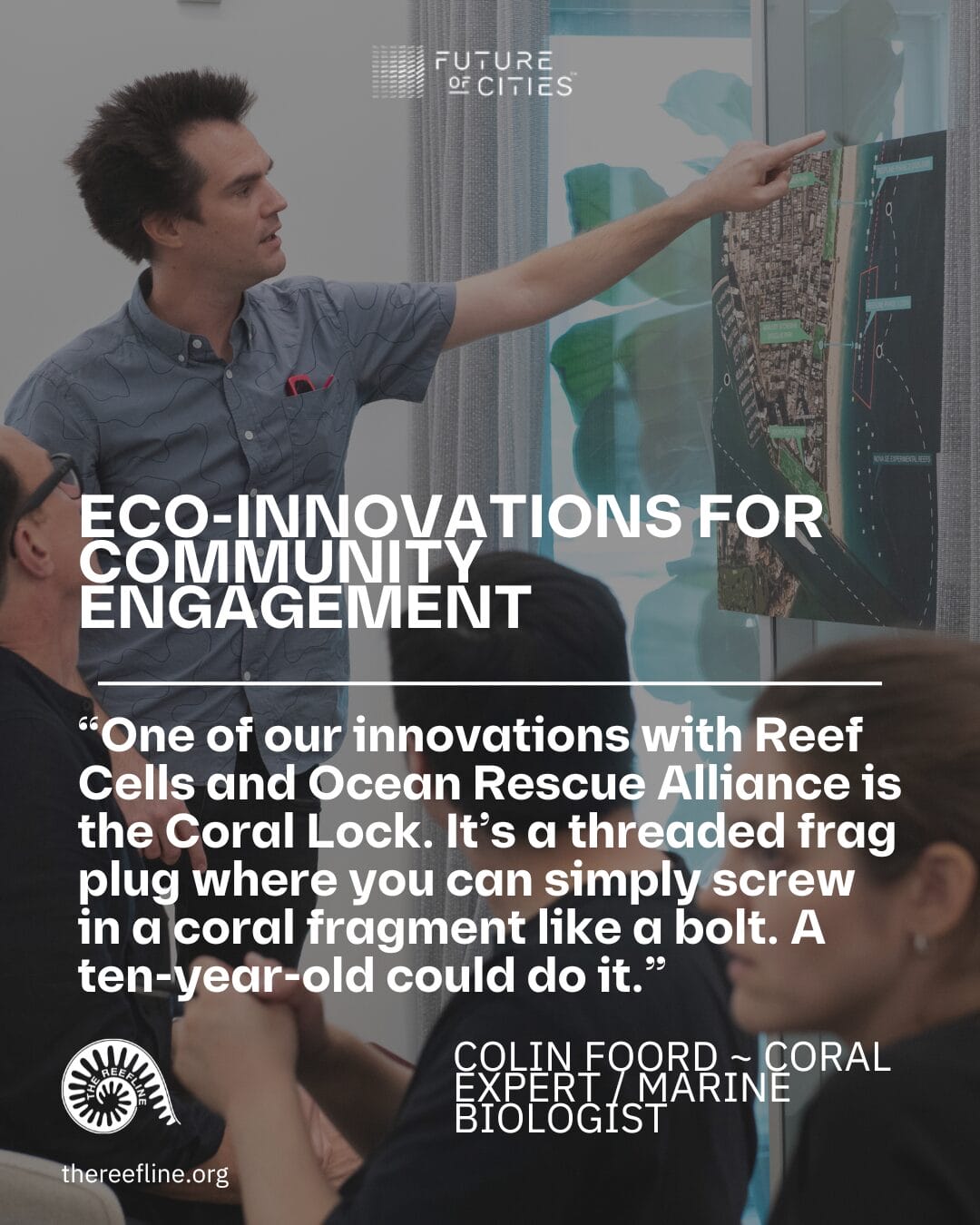
“One of our innovations with Reef Cells and Ocean Rescue Alliance is the Coral Lock. It’s a threaded frag plug where you can simply screw in a coral fragment like a bolt. A ten-year-old could do it.”
Collin Foord, Coral Expert / Marine Biologist – Founder of Coral Morphologic & Coral City Camera
The “Coral Lock System” empowers the community to actively participate in reef restoration. Coral fragments grown in local labs are planted on the reef structures, creating opportunities for people of all ages to contribute directly to Miami’s coastal resilience.
“Architectural processes tend to really focus too much on the physical side, but this kind of scale and great vision actually brings people together like this. That’s kind of the best value of great architectural and urban projects. Doing a master plan underwater, we have to make a kind of infrastructure and cultural infrastructure that could serve humans, but also not only humans, but also for creatures in the ocean.”
Shohei Shigematsu Master Architect / OMA
These innovations combine the imagination of the artists and architects with the observation of science to rebuild ecosystems and connect global communities. This project is a testament to the potential of interdisciplinary collaboration in addressing global climate challenges while educating & building community.
A Model for the Future
Future of Cities’ partnership with The ReefLine demonstrates the transformative power of regenerative development. By integrating ecological restoration with cultural expression, this collaboration not only protects Miami’s coastline but also serves as a replicable model for other coastal cities worldwide.
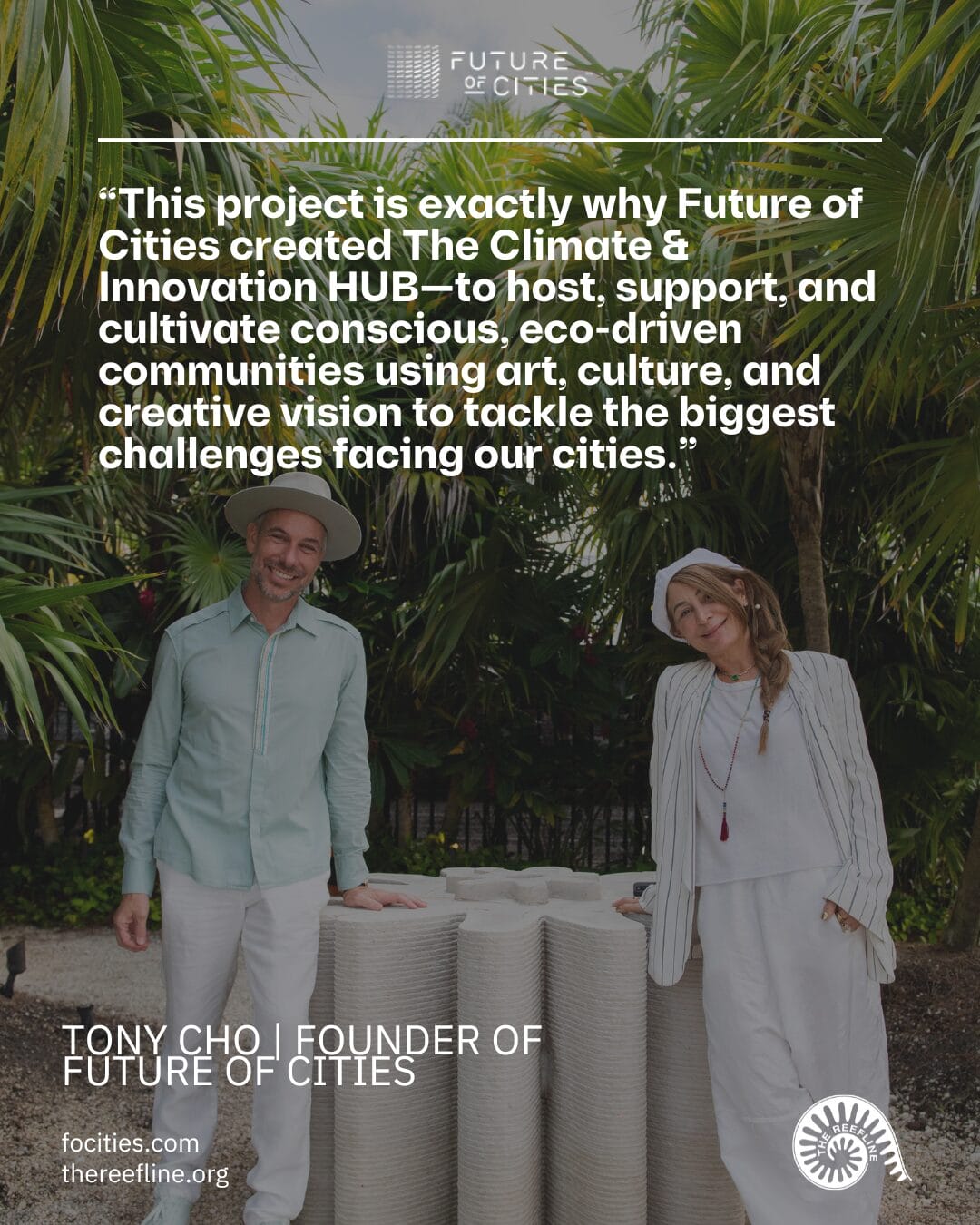
“This project is exactly why we created The Climate & Innovation HUB—to host, support, and cultivate conscious, eco-driven communities using art, culture, and creative vision to tackle the biggest challenges facing our cities.”
Tony Cho – Founder, Future of Cities
The Climate & Innovation HUB
As Miami and other coastal cities navigate the complexities of climate adaptation, The ReefLine offers a beacon of hope. Together, we can create cities that thrive in harmony with nature. Visit the Climate & Innovation HUB powered by Future of Cities in Little Haiti, Miami where you can see, feel and touch the prototypes of the Miami Reef Star, designed by artist Carlos Betancourt and architect Alberto Latorre. These will be deployed in Phase 2 of the underwater sculpture park (2025–2026).
When will we get to experience The ReefLine?
“When the ocean is ready to accept, the artwork will deploy. Thanks to the expertise of Collin Foord and Shelby Thomas, 2,200 corals grown in their coral lab will be planted on The ReefLine structures. We’ll invite the public to join us in this incredible restoration effort.”
Brandi Reddick | Executive Director of The ReefLine
Join the Movement
Learn more about The ReefLine at thereefline.org and join the movement with Future of Cities by subscribing to our newsletter or joining the WhatsApp Community to stay at the cutting-edging of urban innovations for regeneration and transformation.
In an era marked by rapid urbanization and environmental challenges, the concept of regenerative communities is emerging as a beacon of hope.
Unlike traditional models of development that often deplete natural and social resources, regenerative communities aim to restore, renew, and revitalize ecosystems and human well-being. This holistic approach integrates sustainability, community engagement, and innovation to create spaces that not only sustain life but enhance it.
We need each other. We always have. As our world faces escalating challenges—climate change, social inequities, and environmental degradation—we are being called to take care of one another once again. The path forward lies in rediscovering the strength of communal care and embracing regenerative living. Regenerative communities are built on dynamic interdependence, where relationships between people and the environment are nurtured to create systems that thrive together. By returning to these principles, we can foster resilience, heal the land, and ensure a flourishing future for generations to come.
What Are Regenerative Communities?
Regenerative communities go beyond sustainability to actively improve the systems they interact with. These communities prioritize the health of the planet, the prosperity of people, and the vitality of place. Regeneration means creating a positive feedback loop where human activities contribute to the resilience of both natural ecosystems and societal structures.
Key principles include:
- Ecological Harmony: Integrating green infrastructure, renewable energy, and biodiversity into community design.
- Social Equity: Ensuring inclusivity, diversity, and access to opportunities for all members.
- Circular Economies: Minimizing waste by designing systems that reuse resources efficiently.
- Cultural Vibrancy: Honoring local traditions, arts, and narratives while fostering innovation.
Why Do We Need Regenerative Communities?
The current trajectory of urban and suburban development has led to significant environmental degradation and social disconnection. Climate change, loss of biodiversity, and unsustainable resource use are escalating crises that demand new solutions. Regenerative communities offer a pathway to:
- Mitigate environmental impact through practices like permaculture, carbon sequestration, and water recycling.
- Build resilience to climate-related disasters by emphasizing local food systems and disaster preparedness.
- Strengthen social ties by fostering participatory governance and shared spaces.
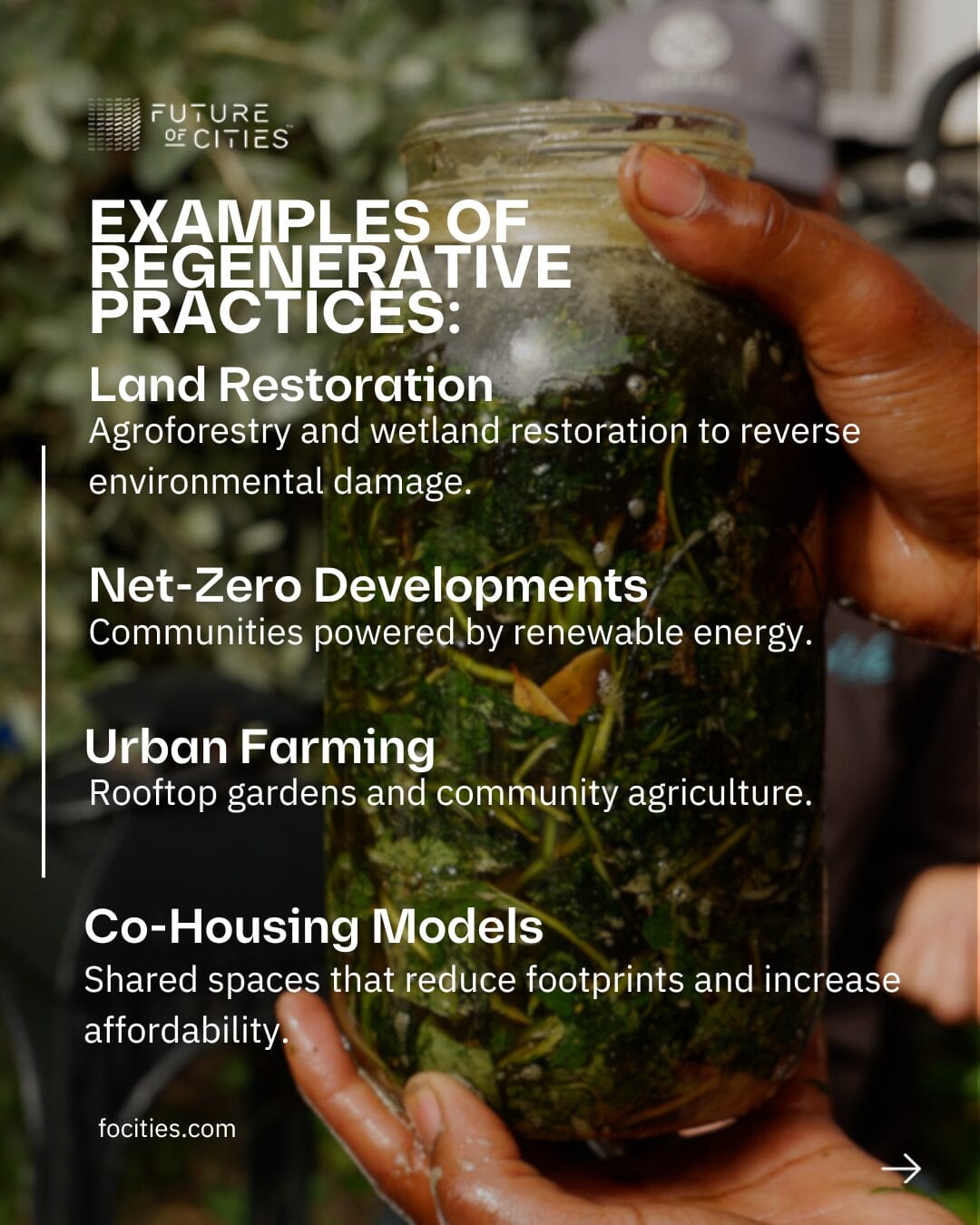
Examples of Regenerative Practices
- Land Restoration: Projects like agroforestry and wetland restoration can reverse environmental damage while providing habitat and resources.
- Net-Zero Developments: Communities powered by renewable energy and designed for energy efficiency.
- Urban Farming: Integrating rooftop gardens, vertical farming, and community agriculture into urban settings.
- Co-Housing Models: Shared spaces and resources that reduce environmental footprints and increase affordability.
How to Build Regenerative Communities
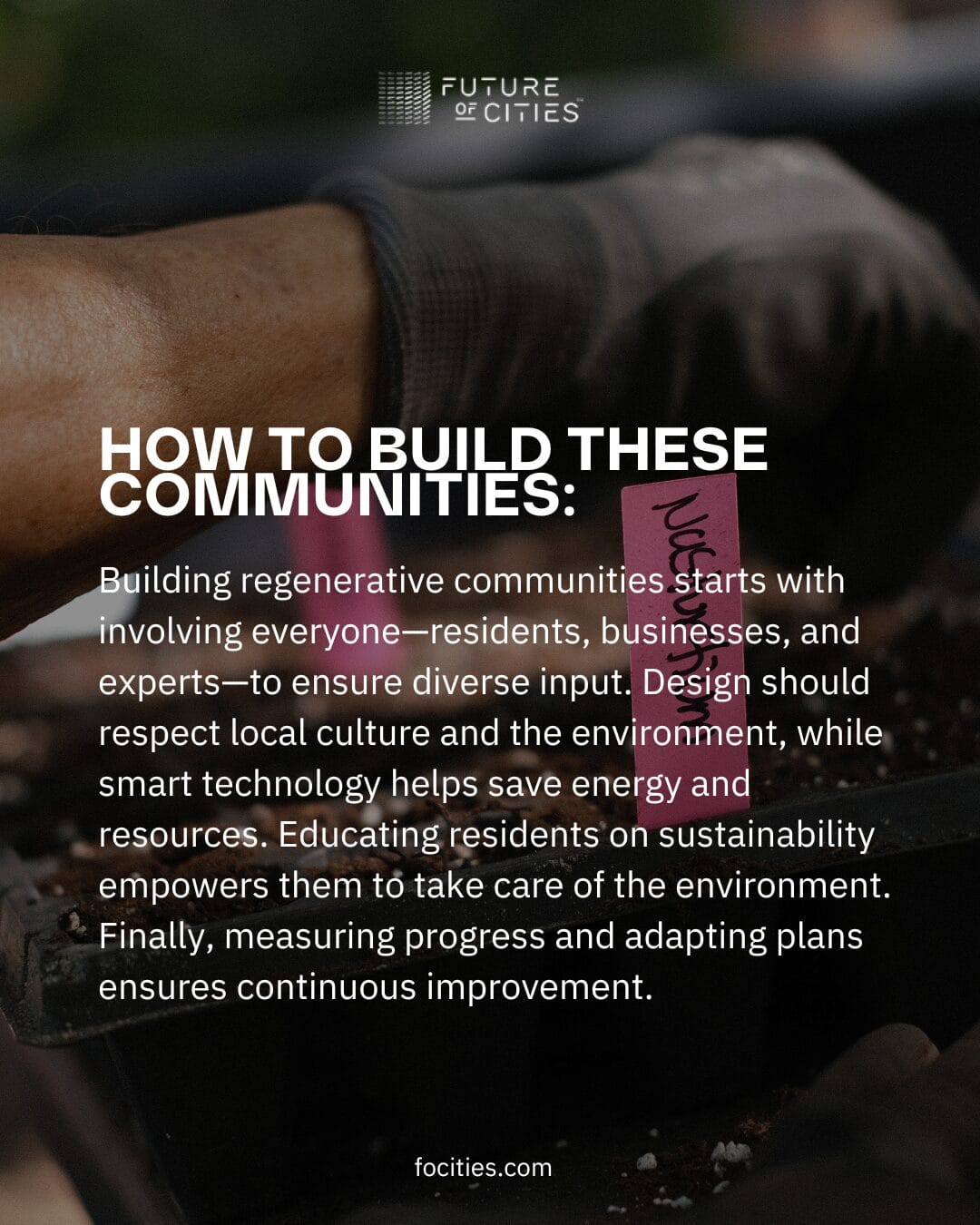
1. Engage Stakeholders
Involve local residents, policymakers, businesses, and environmental experts from the outset. Inclusive decision-making ensures the community reflects diverse needs and perspectives.
2. Design for Place
Understand and respect the ecological and cultural context of the area. Regenerative design is site-specific, emphasizing local materials and traditions.
3. Leverage Technology
Utilize not just smart systems but wise systems for energy management, waste reduction, and community connectivity. Emerging technologies like blockchain can enhance transparency and collaboration.
4. Educate and Empower
Provide resources and workshops to teach residents sustainable practices. Empower individuals to become stewards of their environment.
5. Measure and Adapt
Set clear metrics for success across environmental, social, and economic dimensions. Use data to refine strategies and address challenges.
The Importance of Intergenerational Communities
Intergenerational communities are vital to fostering resilience, connection, and a deeper sense of belonging in regenerative developments. These communities blend the wisdom of older generations with the innovation and energy of younger ones, creating a harmonious exchange of knowledge, skills, and perspectives. By designing spaces where people of all ages can coexist and collaborate—whether through shared gardens, cultural programs, or mentorship initiatives—we cultivate a rich tapestry of relationships that strengthen social bonds. Intergenerational living not only supports holistic well-being but also ensures that traditions and values are preserved while allowing for growth and adaptation. In these communities, the focus shifts from individual isolation to collective flourishing, laying the foundation for a regenerative future that honors both past legacies and future possibilities.
The Role of Demonstration Projects in Shaping Tomorrow’s Cities
Future of Cities, through its demonstration projects—the Phoenix Art & Innovation District, Climate & Innovation HUB, ChoZen Eco-Retreat, and Portugal+ Golden Visa Program —provides living examples of these principles in action. Each project is a testament to the power of intentional design, collaboration, and community-driven development in crafting spaces that give back to the planet and its people.
Phoenix Art & Innovation District
The Phoenix Art & Innovation District reimagines the role of arts and culture in urban revitalization. Situated in a fast-growing metropolitan area in the U.S., this district seeks to integrate public art, technology, and green infrastructure to cultivate economic development and social equity. By anchoring its design in regenerative principles, the district prioritizes inclusive public spaces. The project serves as a hub where creativity intersects with innovation, inviting collaboration from diverse stakeholders to address pressing urban challenges while enhancing community vibrancy.
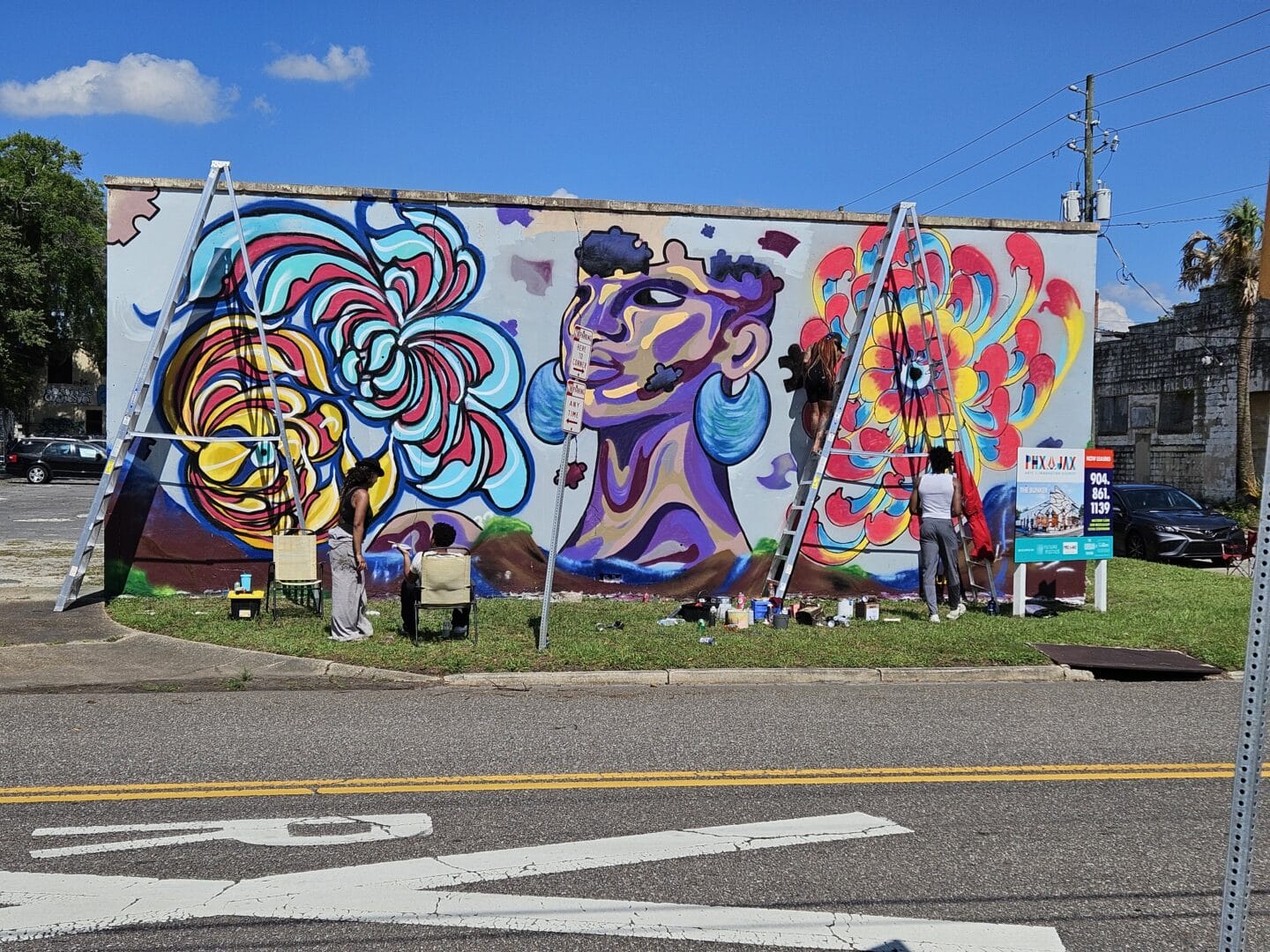
Jacksonville, Florida, has experienced notable population growth in recent years. Between July 2022 and July 2023, the city added approximately 14,000 residents, ranking fourth in numeric population gain among U.S. cities during that period. Source: First Coast News
Climate & Innovation HUB
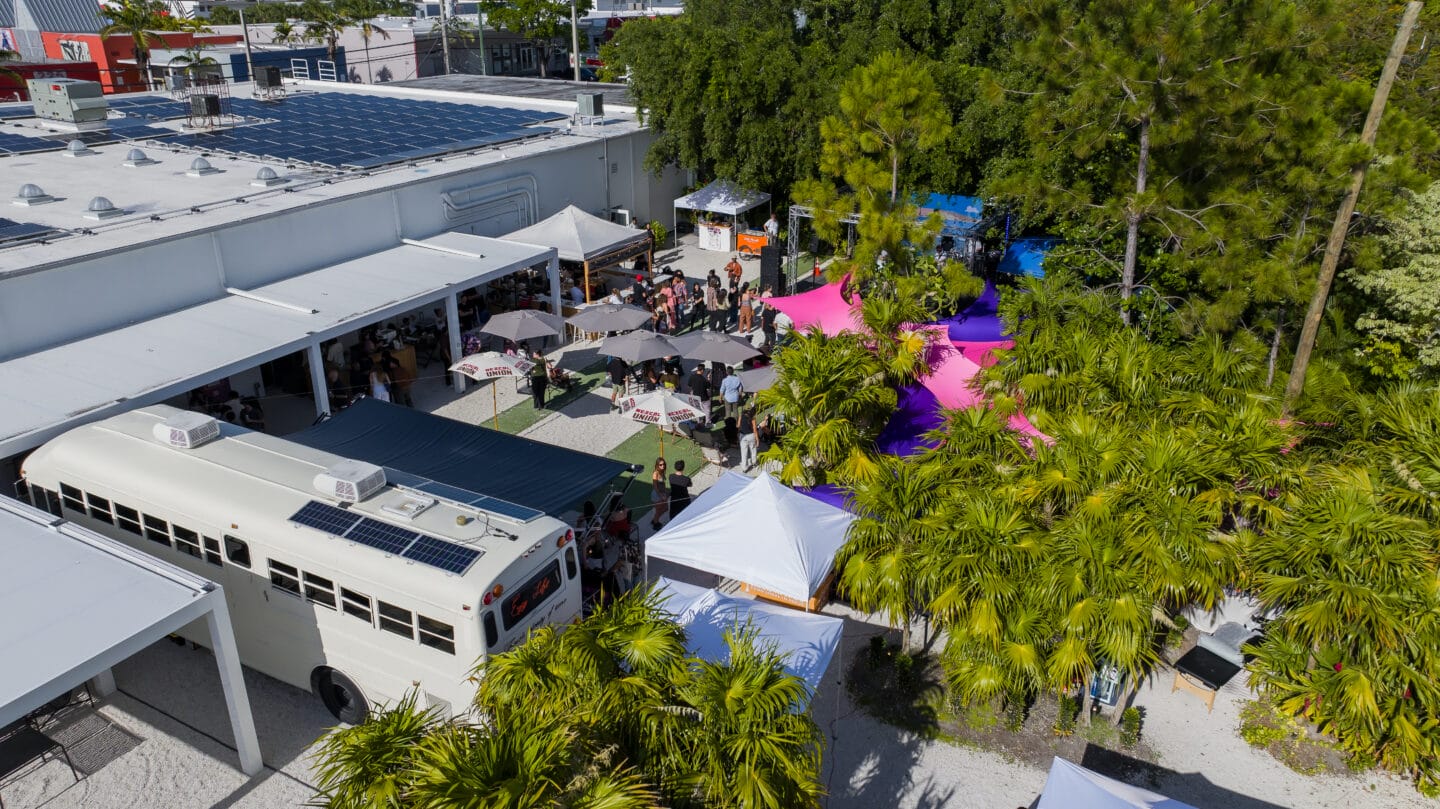
At the Climate & Innovation HUB in Miami, the emphasis is on forging solutions to climate resilience through education, entrepreneurship, and cross-sector collaboration. This initiative, a beacon for regenerative urbanism, hosts events, workshops, and incubator programs that tackle critical issues such as rising sea levels and sustainable architecture. By convening thought leaders, developers, and policymakers, the HUB creates a dynamic space where forward-thinking ideas are put into practice. With a focus on circular economies, climate tech and community empowerment, the HUB epitomizes how local action can inspire global change.
ChoZen Eco-Retreat
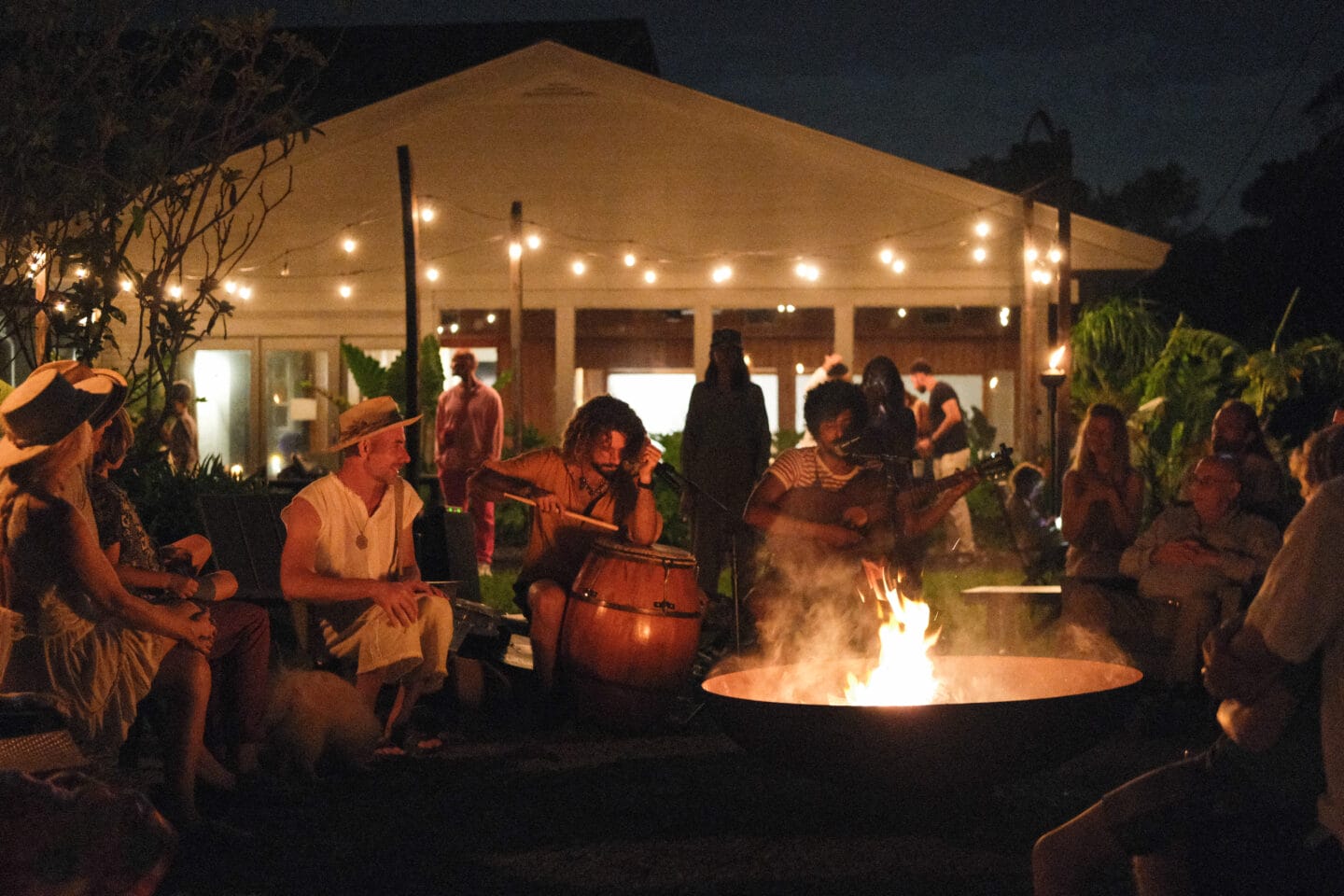
Future of Cities also extends its regenerative ethos to natural landscapes, exemplified by the ChoZen Eco-Retreat in Sebastian, Florida. ChoZen embodies holistic living, merging eco-tourism with permaculture, land conservation, soil health, wellness, and education through ChoZen Air & ChoZen Farm. Visitors experience firsthand how living in harmony with nature can heal and enrich both land and spirit. These initiatives underscore the importance of balancing human needs with ecological stewardship, showing that regeneration is not a theory but a lived practice that connects people to place and purpose.
Community, Nature, Culture
Through our demonstration projects at Future of Cities, we are proving that a better way of building and living is not just possible—it is already unfolding. At the heart of these projects are the core pillars of regenerative placemaking: community, nature, and culture. Within each community – connection, resilience, and reciprocity come to life in unique and vibrant ways, embracing and expressing distinct styles, creative visions, and values.
From the dynamic creative culture and small business-focused circular economies at the Phoenix Arts & Innovation District to the climate-forward innovation and intentionality of the Climate & Innovation HUB in Miami, from the holistic regenerative living, farming, and eco-adventures at ChoZen Eco-Retreat & Sanctuary to the cultural preservation and pioneering regenerative development efforts in Portugal through the Portugal+ Golden Visa Program, each project reflects its distinct character and purpose. Together, they serve as powerful models for a thriving, regenerative future.
A Vision for the Future
Imagine neighborhoods where every building generates more energy than it consumes, green corridors connect communities to nature, and residents feel a profound sense of belonging and purpose. Regenerative communities embody this vision, offering a roadmap for thriving futures.
As we confront the challenges of the 21st century, the shift from extractive to regenerative practices isn’t just an option—it’s a necessity. By embracing regenerative principles, we can create communities that sustain life and inspire generations to come.
Check us out on Amazon Prime! Get a behind the scenes look with Future of Cities Founder Tony Cho as he takes you through each of our demonstration projects featured in the Road to Utopia series.
In the first episode Tony shares about Regenerative Communities and takes you through the lands and stories of place throughout the state of Florida from Miami to Sebastian to Jacksonville. Together, they exemplify how diversity in approach, biodiversity in ecosystems & ecosystems thinking creates a unified movement toward a regenerative future.
Cities are more than just buildings and streets. They are living, breathing ecosystems fueled by the energy of people, culture, and innovation. As we stand at the crossroads of a rapidly changing world, the future of urban living calls for bold ideas, collaborative action, and sustainable solutions. That’s where you come in.
Why Join Us?
At Future of Cities, we are building a community for forward-thinkers, innovators, and changemakers who share a vision for creating thriving, sustainable, and regenerative urban environments. Together, we aim to address the challenges of today while designing solutions for tomorrow—grounded in sustainability, creativity, and a deep respect for our planet.
Here’s what you can expect as part of our movement:
1. Be at the Forefront of Innovation
Explore cutting-edge ideas and solutions that reshape urban living. From regenerative architecture to circular economies, you’ll engage with projects and initiatives pushing the boundaries of what’s possible.
2. Build a Better World Together
Collaborate with a diverse network of individuals—urban planners, artists, architects, entrepreneurs, and environmental advocates—who are united by a shared purpose. It’s not just about conversations; it’s about co-creating actionable strategies for positive impact.
3. Learn and Grow
Participate in thought-provoking events, workshops, and discussions that challenge conventional thinking. Gain insights from global experts and contribute your own unique perspective to the dialogue.
4. Create Lasting Impact
Our mission is rooted in the belief that cities can be engines of regeneration—places where people and the planet thrive together. Your involvement helps us pioneer models of urban development that inspire real, measurable change.
Who Is This For?
This movement is for anyone who:
- Believes in the power of sustainability and regeneration.
- Sees creativity as a tool for transformation.
- Is passionate about reimagining cities as hubs of community, culture, and environmental stewardship.
- Wants to be part of a forward-thinking network of leaders, creators, and problem-solvers.
Whether you’re a seasoned professional, a student with big dreams, or someone simply curious about the possibilities for better urban living, your voice and vision are welcome here.
Ways to Join us…
There are a variety of ways to become a part of the Future of Cities community
- Become a Partner: Strategic partners include educational institutions, corporations, foundations, governments, non-profits, and NGOs.
- Collaborate and Co-Create Have a project idea or want to contribute your skills? We’d love to hear from you. Collaboration is at the heart of everything we do. Apply to join the Future of Cities WhatsApp Community today.
- Subscribe to Our Newsletter: Stay informed about upcoming events, thought leadership pieces, and opportunities to collaborate.
- Attend Upcoming Events: From live discussions to hands-on workshops, our events are designed to inspire and empower.
- Engage on Social Media: Connect with us on Instagram, LinkedIn, YouTube and Facebook to share ideas, meet like-minded individuals, and spread the message of change.
Let’s Build the Future Together
The future of cities isn’t written yet—it’s being created, one idea, one project, and one community at a time. By joining this movement, you’re not just imagining a better world; you’re actively building it.
So, what are you waiting for? Join the movement today and be part of a legacy of sustainable, regenerative, and creative urban living.
Innovation, sustainability and community to co-create places and systems that serve people and planet
On the Road to… We are excited to share the release of Road to Utopia, a series on Food Matters TV (FMTV) on Amazon featuring Future of Cities founder Tony Cho, alongside Alessa Berg of Top Tier Impact. Episode 1 dives into the future of regenerative communities with Tony, highlighting our demonstration projects that are reimagining regenerative development and creative placemaking through Regenerative Placemaking including the Phoenix Arts & Innovation District in Jacksonville, Florida, the Climate & Innovation HUB in Miami and ChoZen Eco-Retreat & Sanctuary in Sebastian, Florida. In celebration of the official release we are excited to share the upcoming screening schedule with our community along with an opportunity to enter to win a Safari Weekend Getaway at ChoZen Eco-Retreat & Sanctuary to join Tony & the Future of Cities team for a weekend in the wild + Q&A. Read on for all of the details!

Protopia is about incremental progress—acknowledging that perfection isn’t the goal but rather a steady movement toward a better, more regenerative future. Unlike the static and often unattainable vision of utopia, protopia embraces the idea of adaptive evolution. It’s about learning from our mistakes, iterating solutions, and cultivating resilience in the face of complexity.
“To me, protopia is rooted in collaboration and grounded action; it’s about weaving together innovation, sustainability, and community engagement to create places and systems that serve both people and the planet…”
– Tony Cho
Episode 1: Regenerative Communities – Start your free trial and stream Episode 1: Sustainable Communities with Tony Cho on Food Matters TV (FMTV) on Amazon ; Currently only available in the U.S
The Road to Utopia episode on regenerative communities features an insightful journey through the Future of Cities ecosystem, showcasing innovative approaches to regenerative development and creative placemaking. Guided by Tony Cho, Founder and co-creator of Future of Cities, the episode highlights how intentional community building can inspire sustainability and empower for regenerative outcomes. Through the lens of the Phoenix Arts & Innovation District, viewers explore how art, culture, and collaboration serve as catalysts for urban transformation. The Climate & Innovation HUB emerges as a model for green innovation and resilience, providing a platform to address pressing environmental challenges while fostering community engagement and forward-thinking solutions.
Tony also shares a deeply personal perspective on the history and legacy of ChoZen Eco-Retreat and sanctuary—a haven for biodiversity, reflection, and intentional living. Situated on sacred land, ChoZen embodies the principles of harmony with nature and the power of regenerative practices to heal both land and people. By weaving together stories of these interconnected spaces, the episode offers a vivid portrait of how Future of Cities is redefining urban living, rooted in creativity, inclusivity, and sustainability. This roadmap to a more “protopian” future highlights the critical role of leadership, vision, and collective action in shaping thriving communities that honor both people and the planet.
“Utopia can be paralyzing because it suggests a singular ideal, but protopia invites us to actively participate in shaping a diverse and equitable world. It’s an ongoing journey where progress is celebrated and even small wins have a ripple effect. By focusing on regenerative development and conscious placemaking, we have the tools to build this better future—one step at a time.”
– Tony Cho
SAFARI WEEKEND GIVEAWAY
FEBRUARY 7-9TH, 2025
ChoZen Eco-Retreat & Sanctuary | Sebastian, Florida
We are excited to share the release of Road to Utopia, a series on Food Matters TV (FMTV) on Amazon featuring Future of Cities founder Tony Cho, alongside Alessa Berg of Top Tier Impact. Episode 1 dives into the future of regenerative communities with Tony, highlighting our demonstration projects that are reimagining regenerative development and creative placemaking through Regenerative Placemaking with the Phoenix Arts & Innovation District in Jacksonville, Florida, the Climate & Innovation HUB in Miami and ChoZen Eco-Retreat & Sanctuary in Sebastian, Florida.
In celebration of the official release we are excited to share the upcoming screening schedule with our community along with an opportunity to enter to win a Safari Weekend Getaway at ChoZen Eco-Retreat & Sanctuary to join Tony & the Future of Cities team for a weekend in the wild from Feb 7-9th + Q&A on February 8th, 2025.
As a demonstration project of Future of Cities, ChoZen Eco-Retreat & Sanctuary gathers thought leaders, change makers, community builders and place makers from around the world who seek to explore regenerative systems and implement climate solutions. By reconnecting with the land and fully immersing guests in a regenerative lifestyle, ChoZen provides a unique culture and vibrant environment to inspire positive change & transformation for future generations.
Miami-based Developer Future of Cities Receives Unanimous Approval of $5.5 Million Incentive Package and Multifamily Rezoning from Jacksonville City Council for Phoenix Arts & Innovation District
Completion grant will support adaptive re-purposing of warehouses and greenspace while the rezoning will allow for 830 multifamily units to be built over the span of 8.3 owned acres.
JACKSONVILLE, Fla. — June 27, 2024 — Miami-based real estate developer Future of Cities (FoC) announced today it received approval of an incentive package totaling $5.5 million from the City of Jacksonville’s Office of Economic Development, as well as the approval of rezoning of its planned unit development (PUD) to permit commercial and multifamily residential uses for the Phoenix Arts & Innovation District (PHXJAX). The package and rezoning, outlined in Ordinances 2024-0418 and 2024-0348, were approved by the Jacksonville City Council on June 25, 2024.
“Today is a pivotal milestone for Phoenix Arts & Innovation District and the city of Jacksonville. This incentive package is a testament to the collaborative outcomes possible through genuine public-private partnerships. This is a major win for all of Jacksonville including the local artists, small businesses, greater Downtown residents and overall community to demonstrate to the world that creativity and capital investments work best when they work together.”
Tony Cho | CEO and Founder of Future of Cities and Founding Managing Partner of PHXJAX
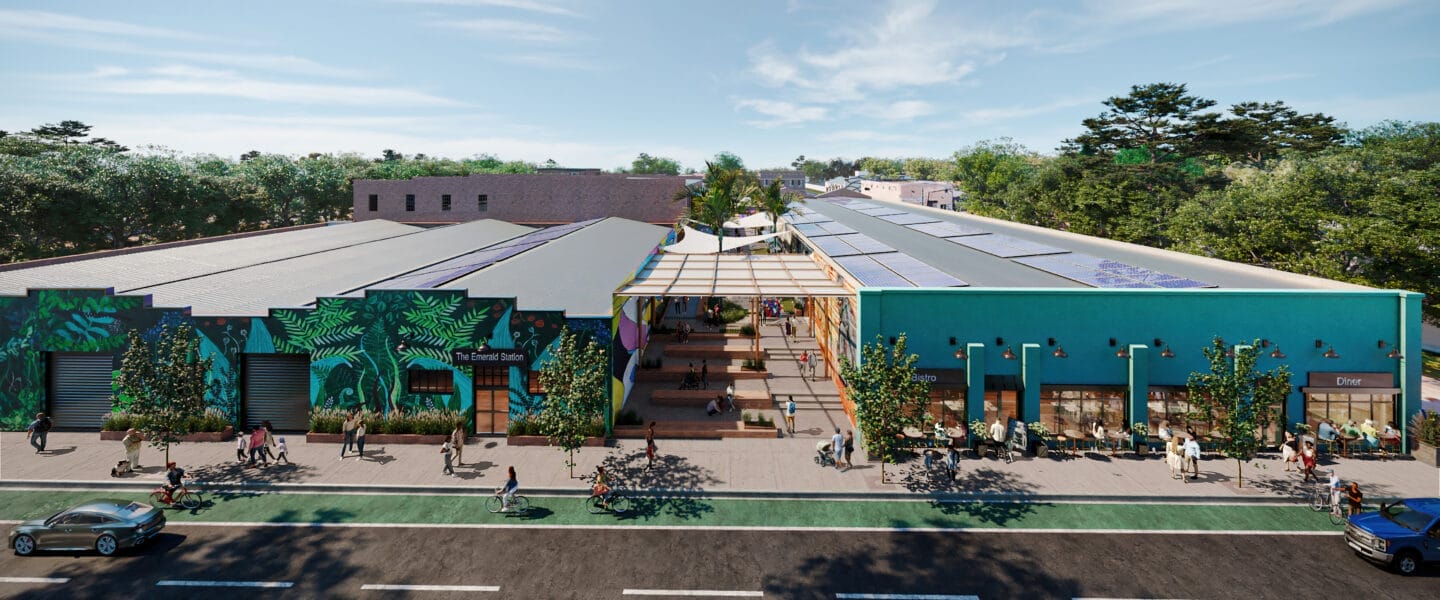
PHXJAX is a regenerative placemaking demonstration project comprising 10 separate properties across 8.3 acres located in a federally designated Opportunity Zone in the North Springfield neighborhood of Jacksonville, Florida. The funds outlined in the Economic Development Agreement between Future of Cities and the City of Jacksonville will be provided in two phases as a Completion Grant in the amount of $2 million for each phase to support the
adaptive rehabilitation of four warehouses and green space, transforming it into event and gathering spaces, creative office space, artist studios, galleries, retail and restaurants. In addition, the City of Jacksonville has authorized a 50% 15-year recaptured enhanced value (REV) grant not to exceed $1.5 million. In the Emerald Station’s creative offices property located at 2320 N. Liberty Street, PHXJAX is also providing dedicated office space to the Jacksonville Small and Emerging Business (JSEB) organization, which is a small business incubator run by the City of Jacksonville. These grants, coupled with Future of Cities’ investment of nearly $38 million into the project, demonstrate the strength of a public/private partnership approach when developing a community-focused project.
“People always ask us, ‘Why Jacksonville?’ And we ask, ‘Why not Jacksonville?’ Jacksonville has all the fundamentals to compete with other major Florida metros and it has been a true pleasure to work in Jacksonville with the support of the Mayor’s Office, City Council and the City’s exceptional, dynamic and diverse communities.”
Michael Weil | Chief Operating Officer of FoC and PHXJAX.
The first phase of the PHXJAX development began in December 2023 with the commencement of construction of The Emerald Station, featuring creative offices, community gathering spaces and a warehouse event facility. Construction has also begun on the Liberty Building, which will house 17,850 square feet of office, studios, galleries, small-format retail and restaurants. Complementing these buildings is a property located at 2335 Market Street that will be an outdoor market space serving as a greenspace for community activity. The district also includes a hub of the Emerald Trail, a planned network of 30+ miles of trails, greenways and parks connecting the urban core neighborhoods of Jacksonville. The Emerald Station is scheduled for completion in the third quarter of 2024 while the Liberty Building is scheduled to be completed in
the second quarter of 2025.
“This support from the City of Jacksonville is essential to the PHXJAX vision to co-create with the community a space for catalyzing art, culture and innovation to serve the greater good. As a third generation Jacksonvillian, I am so excited to help bring this project to life for Jacksonville as the first demonstration project of Future of Cities.”
Emily Moody, Vice President and Chief Experience Officer of PHXJAX
Tony Cho’s previous projects include the Wynwood Arts District and the Magic City Innovation District Little Haiti, both located in Miami, Florida. Emily Pierce and Hayden Phillips from Rogers Towers led the rezoning efforts on behalf of
PHXJAX. The Emerald Station pre-leasing opportunities are available now. For more information, visit phxjax.com/emeraldstation.
About PHX JAX | The Phoenix Arts & Innovation District in Jacksonville, FL, is a regenerative placemaking project dedicated to building equity through community, arts, and culture, aiming to provide a global platform for artists and business incubation in Jacksonville’s North Springfield neighborhood. Collaborating with artists, residents, cultural instigators, and change makers in
Jacksonville, the initiative by the Future of Cities team focuses on creating a vibrant, diverse neighborhood. To learn more about upcoming events and opportunities to get involved, visit phxjax.com.
About Friends of Phoenix | The non-profit arm of the PHXJAX project, Friends of Phoenix, is committed to fostering community engagement, enhancing educational opportunities and cultural experiences, by driving innovation. Aligning with the broader mission of the Phoenix Arts & Innovation District, Friends of Phoenix operates through four pillars: Arts and Culture, Sustainability, Technology, and Financial Stability.
About Future of Cities | Future of Cities was created to reimagine how we live, work, play and learn as a mission-driven platform invested in transforming the built environment. We take a holistic place-based approach to regenerative development to adopt environmental, social and governance (ESG) strategies that improve the quality of urban living across the globe.
Co-Working. Podcast Studio. Events
The Climate & Innovation HUB Miami is designed to cultivate a symbiosis between our local & global ecosystem of innovators, change makers & tastemakers to lead the next generation of Regenerative Placemakers.
___________
CO-WORKING | THE REEFLINE
We are extremely excited to introduce the newest addition to our ecosystem of innovators working on changing the future at the Climate & Innovation HUB – Miami as they prepare to deploy their underwater sculpture installations in Miami Beach this Fall!
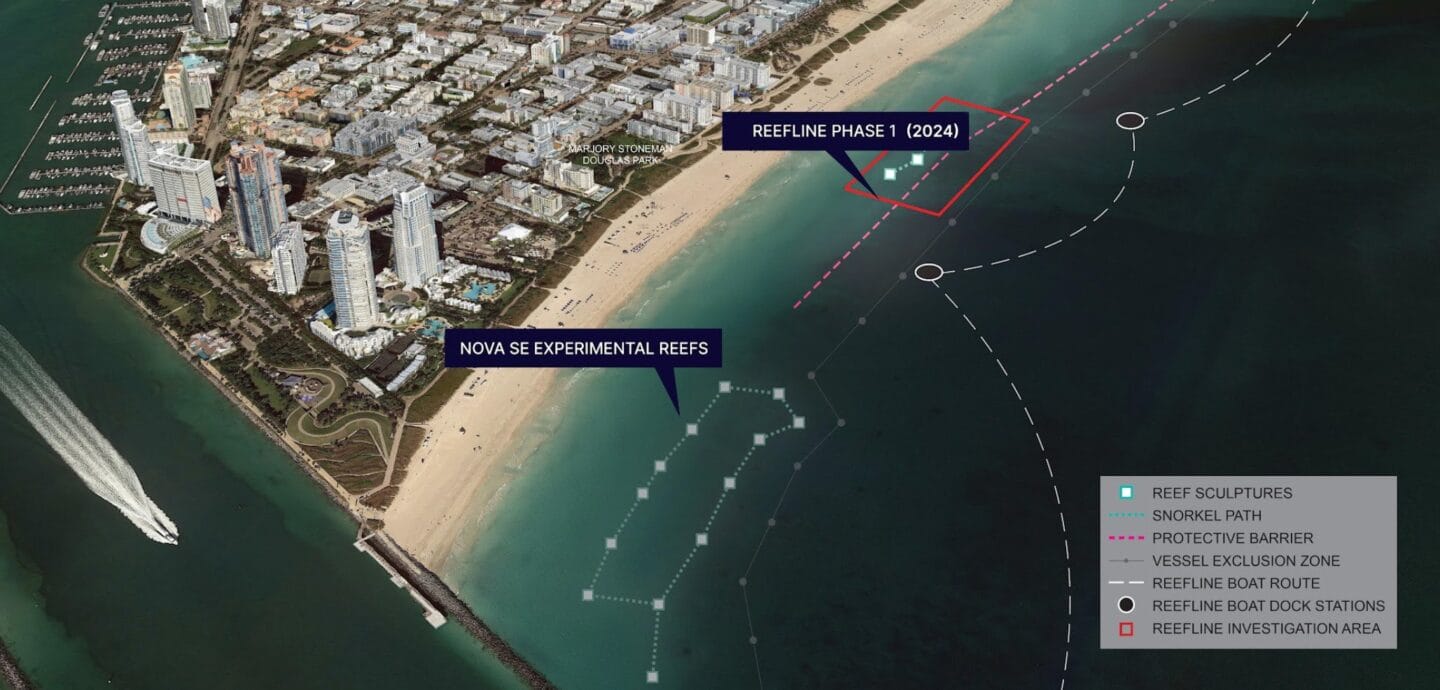
Art as a Tool For Change | The Reefline is a 7 mile underwater public sculpture park, snorkel trail and purpose-built reef +600ft off of Miami Beach ~ launching Fall 2024
Want to book co-working day pass at the Climate & Innovation HUB? Email info@focities.com
___________
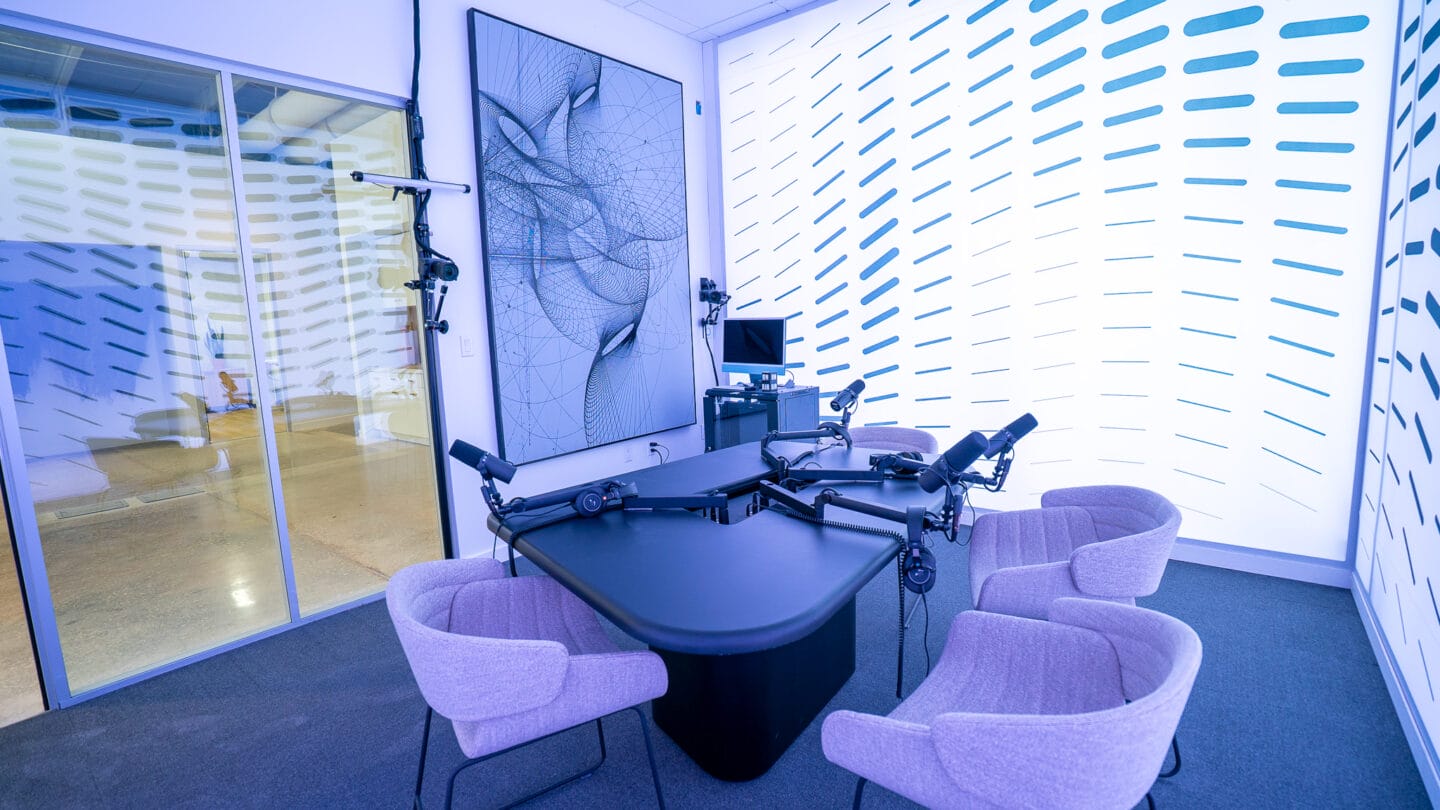
PODCAST STUDIO HIGHLIGHTS | Path of the Panther x Wildpath
The Path of the Panther team used our podcast studio at the Climate & Innovation HUB co-working space to record an educational podcast designed to foster human and natural systems learning in children. Through captivating place-based storytelling, interviews with ecologists, ranchers and tribal leaders, and immersive landscapes, young listeners will gain a deeper understanding of the role of the Florida panther as a cultural and ecological keystone species, an organism that helps define an entire ecosystem. Stay tuned for more coming Fall 2024 …
Want to book the podcast studio at the Climate & Innovation HUB? Email info@focities.com
___________
SPRING EVENTS
TASTEMAKERS – Lengua Food Marketing Conference
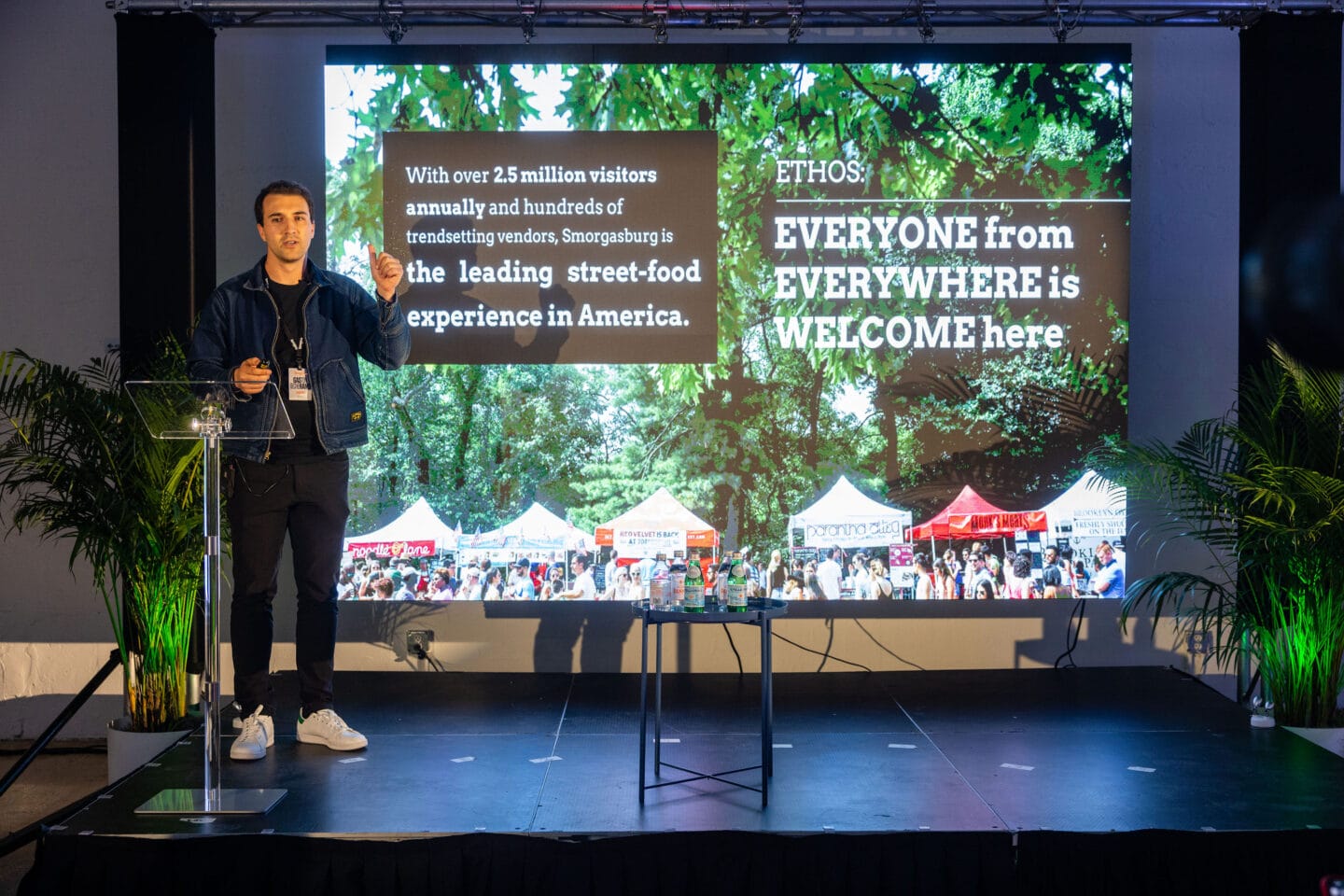
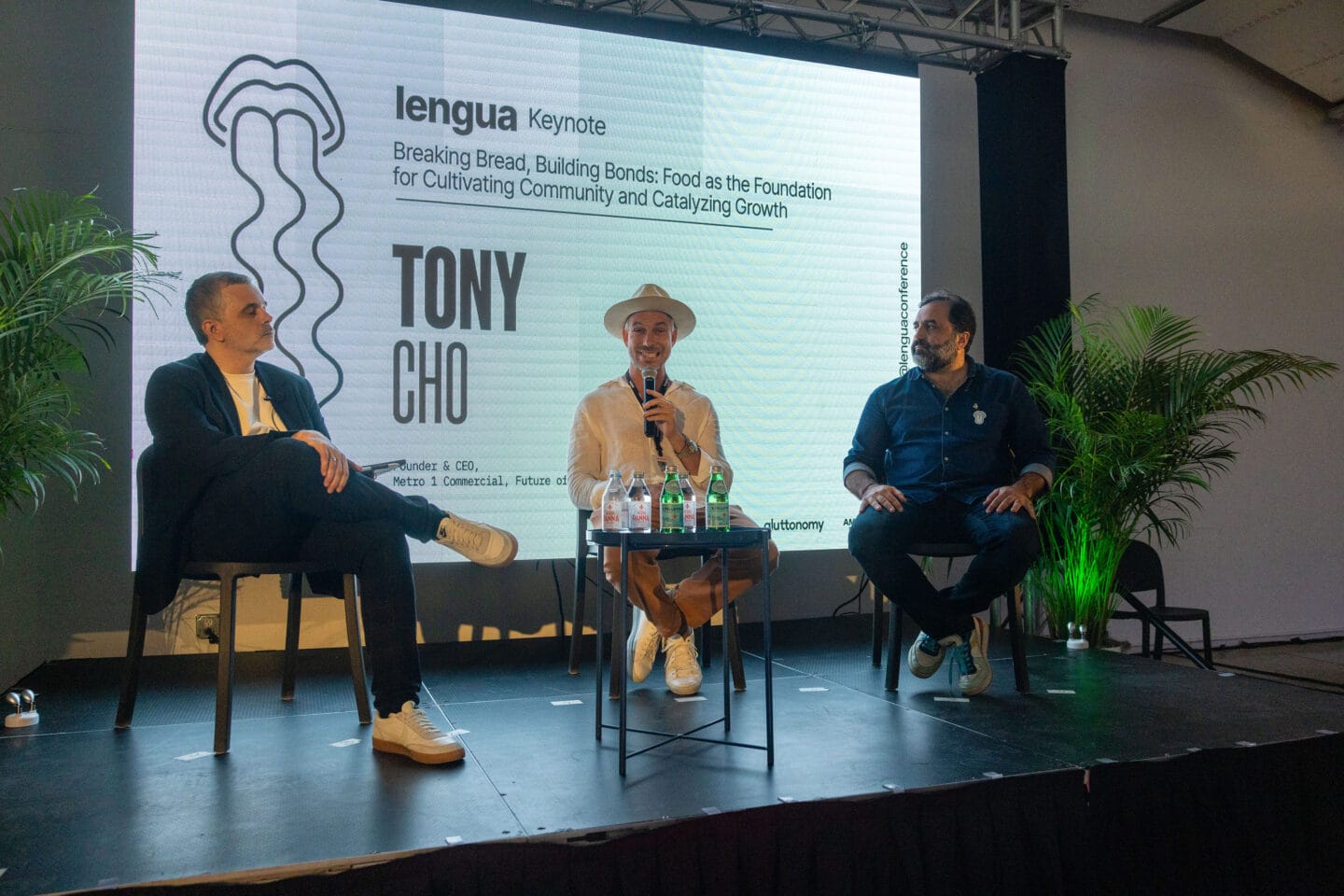
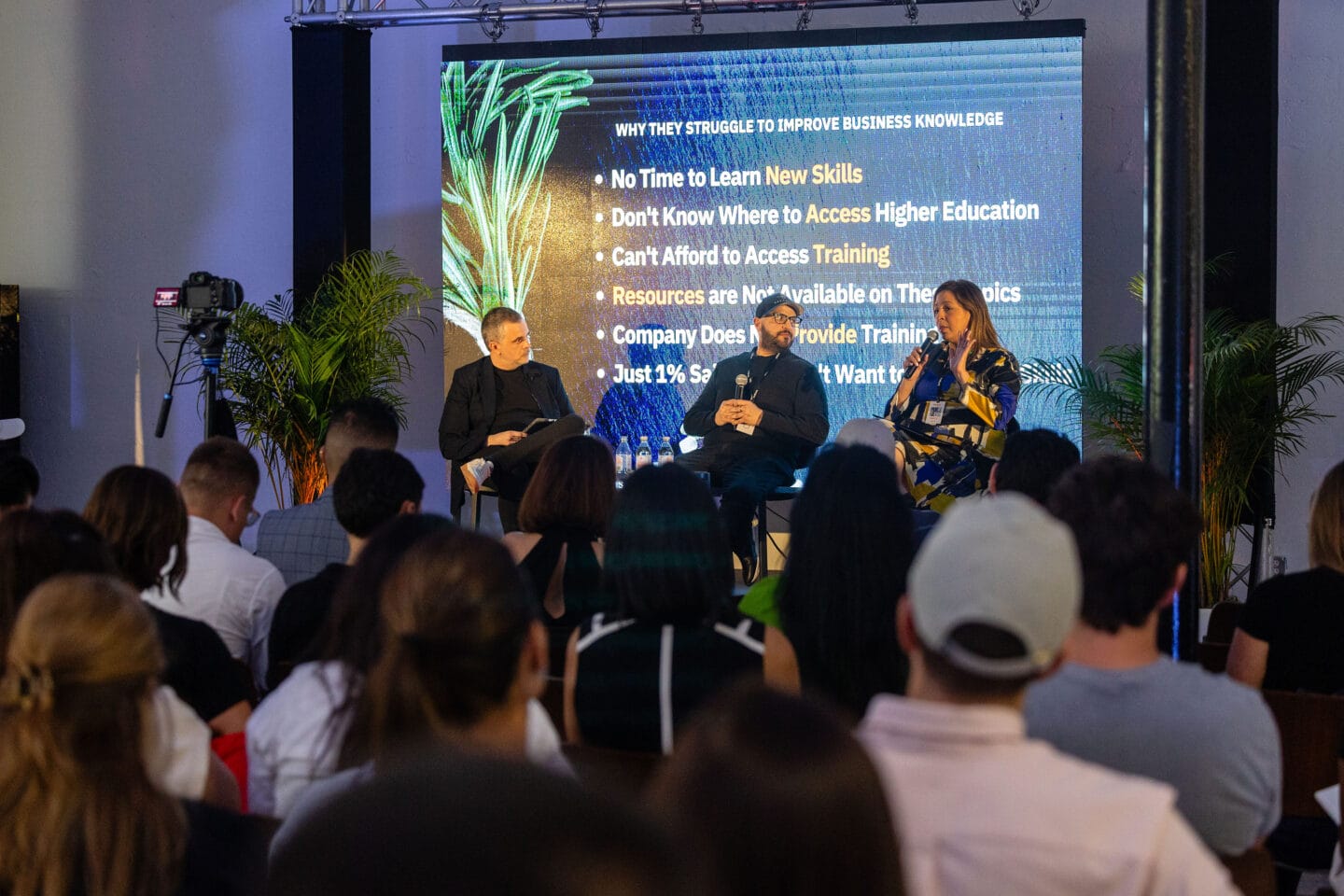
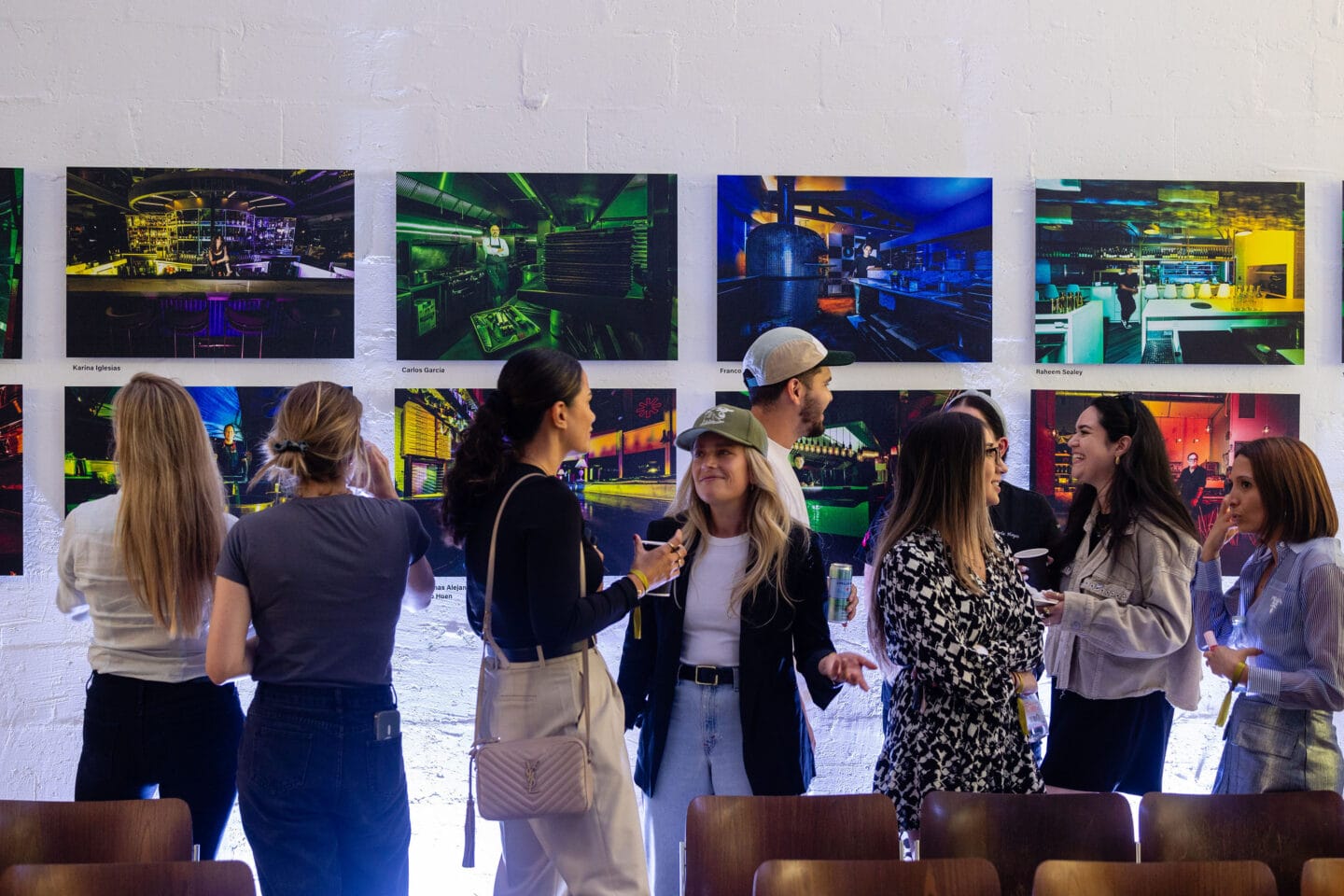
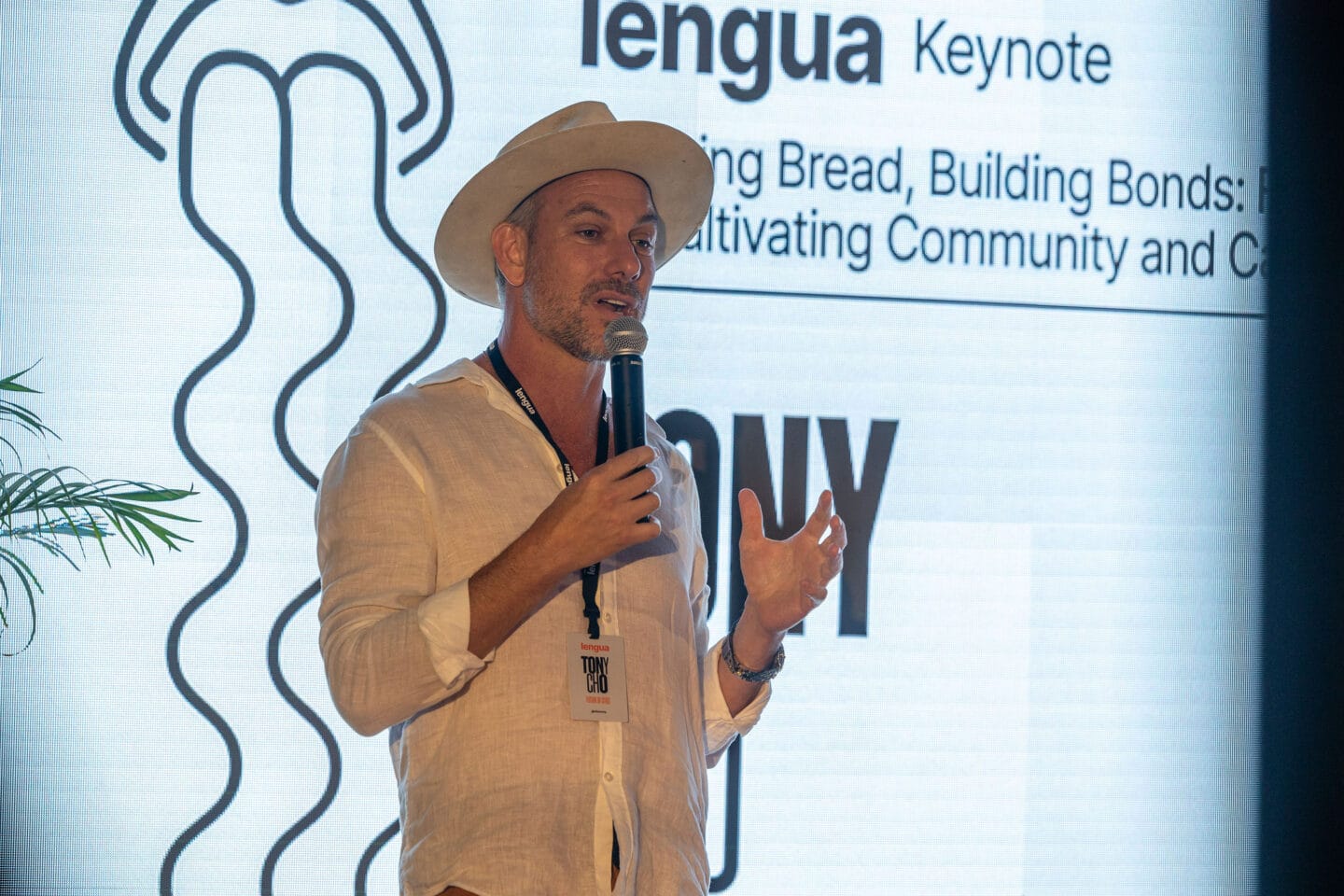
The only place where food industry professionals, chefs, and executives come together to learn about food marketing, financing, and innovation.
MUSIC – UNSiN Music Conference & Festival
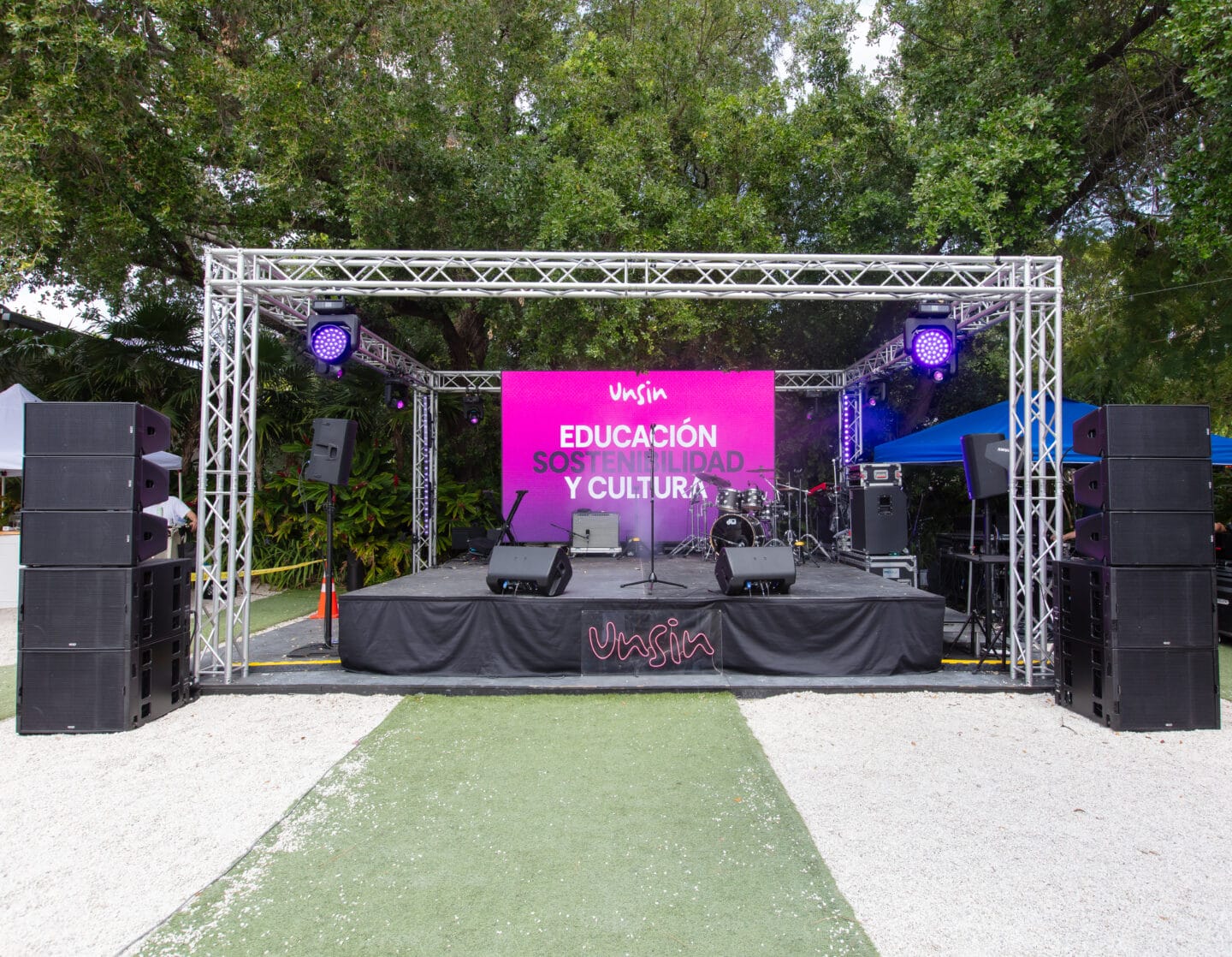
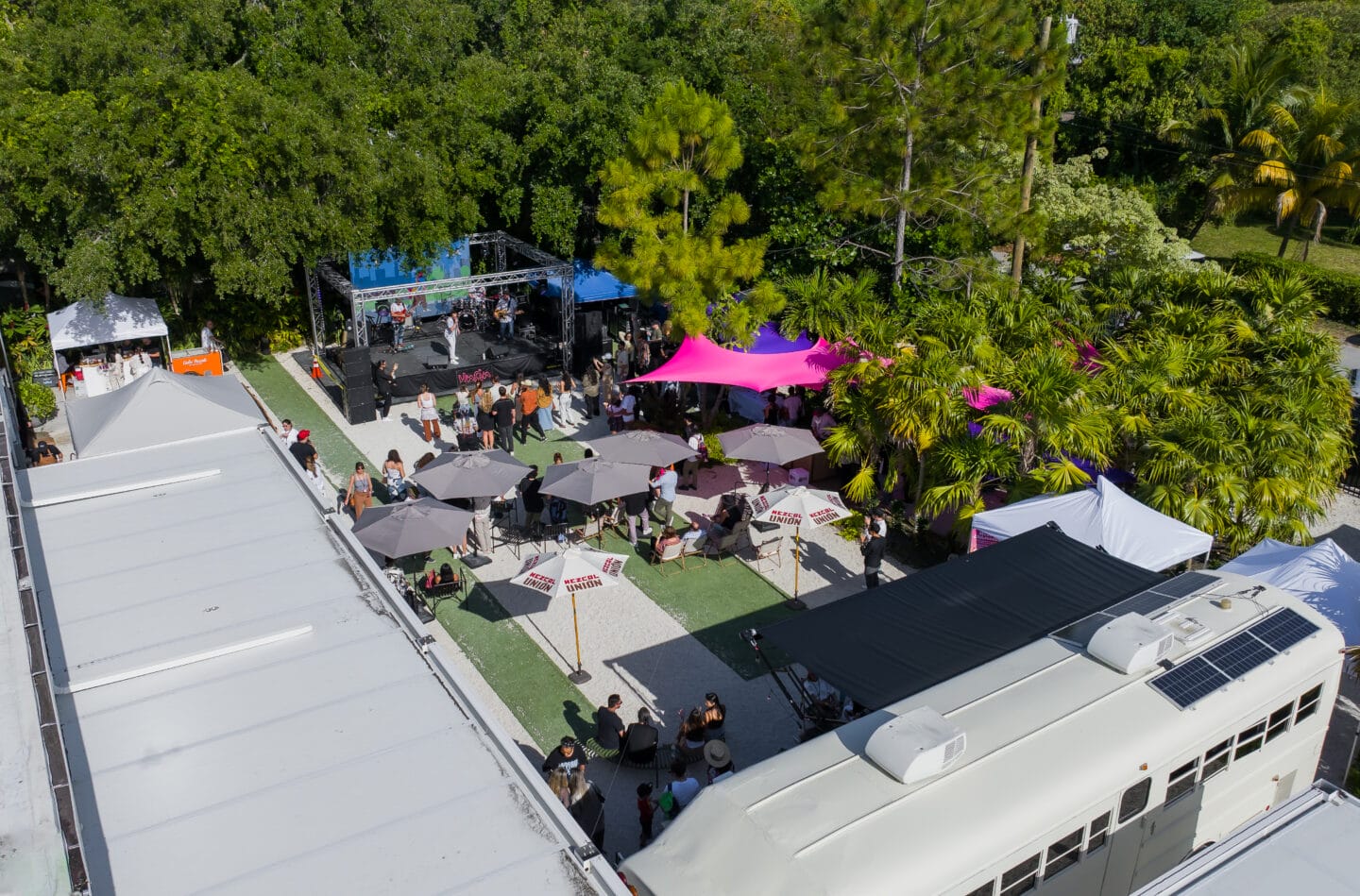
A space carefully designed for creatives, artists, executives and entrepreneurs to know each other, connect, appreciate and grow as a community
Watch the Full event recap HERE
WELLNESS – Mindvalley Health & Body Summit (Virtual)
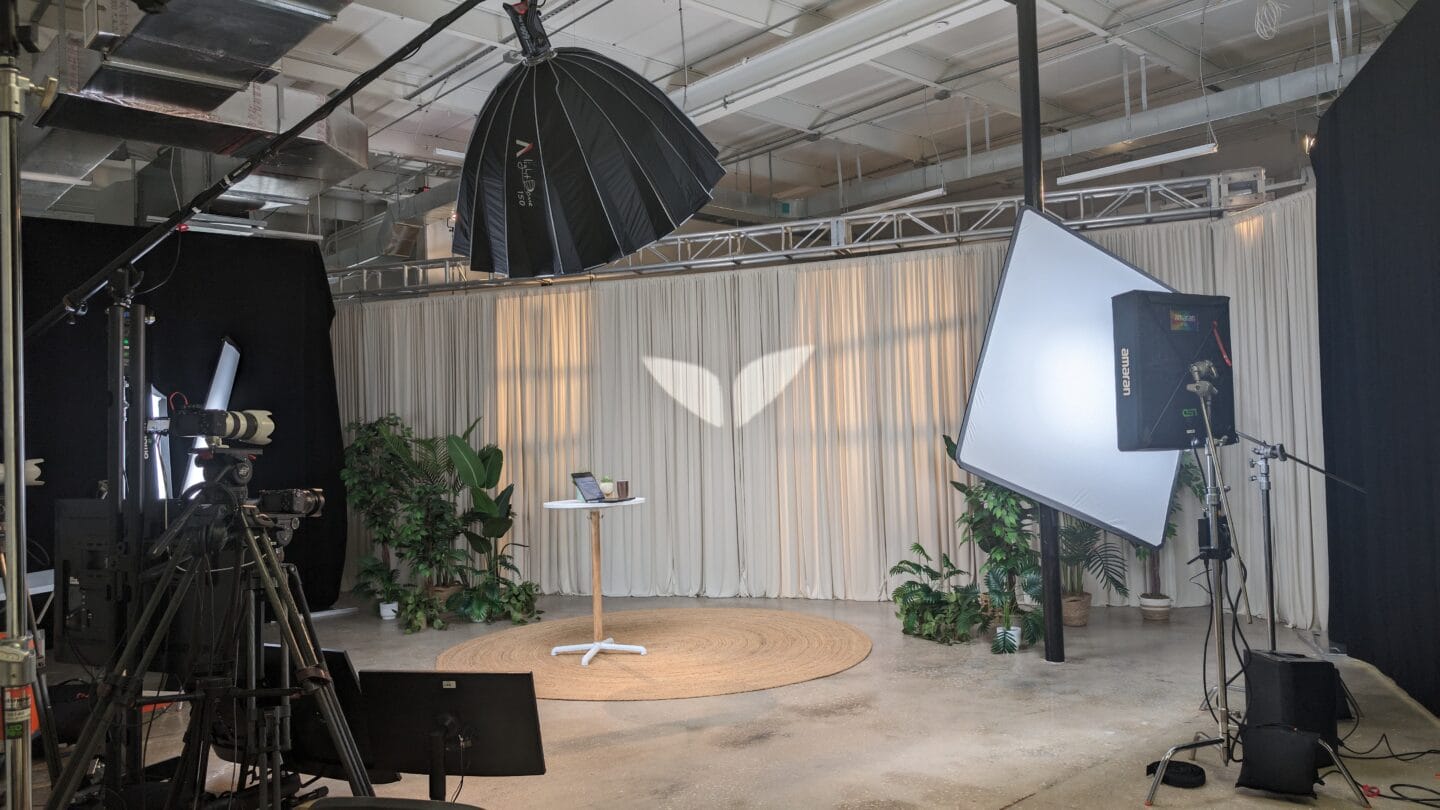
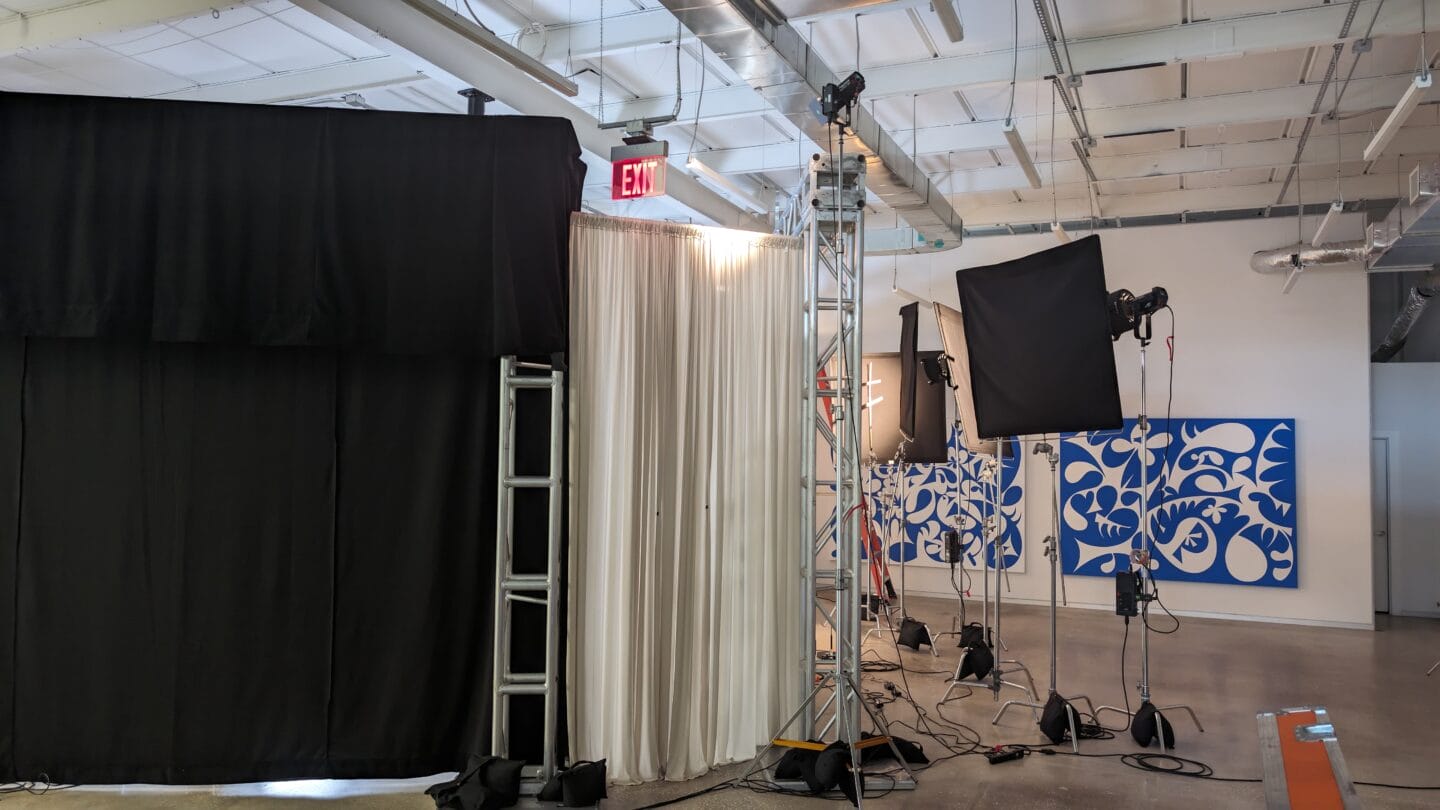
A 3-Day Deep Dive With the World’s Best Health, Wellness & Longevity Experts
Looking to book an event at our Regenerative Event Space at the HUB? Email events@thehubmia.com
Demonstrating the value of art and innovation for neighborhood revitalization in the heart of Jacksonville, FL
Phoenix Arts & Innovation District is a pioneering organization dedicated to the practices of creative placemaking, regenerative development, and adaptive reuse of commercial real estate. We are passionate about transforming spaces into vibrant, sustainable, and inclusive environments that foster community and creativity.
PROJECT UPDATES
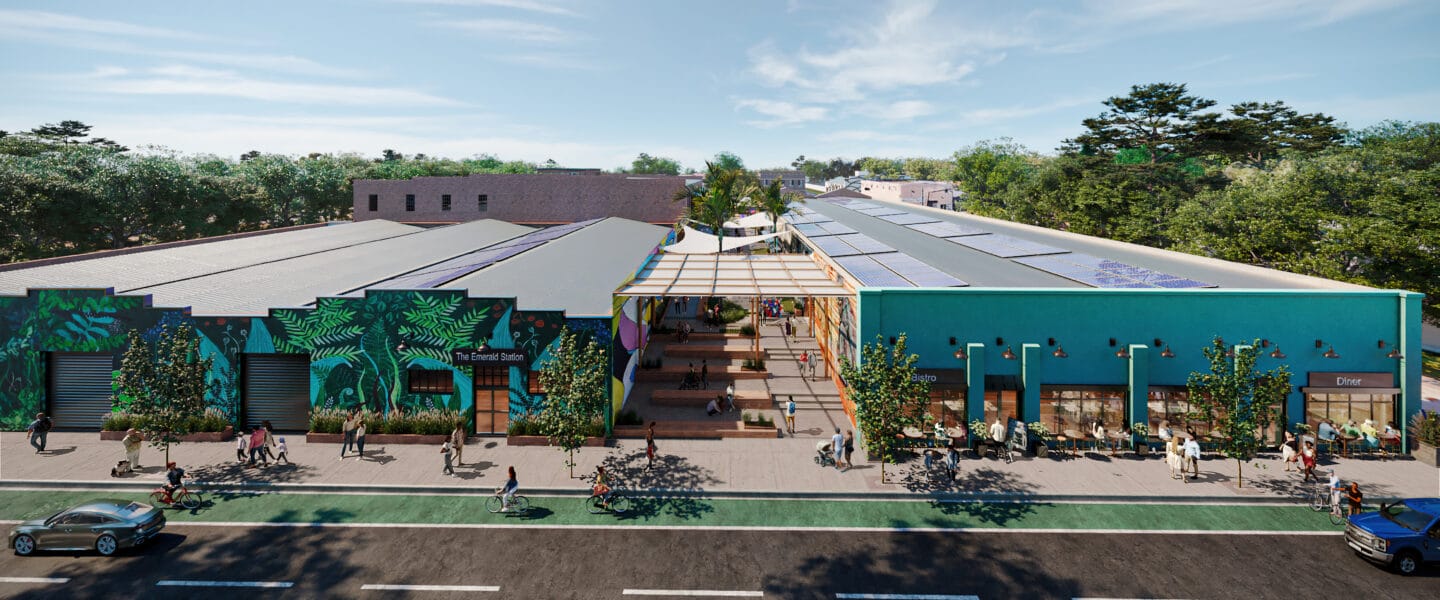
Last week our Director of Community Engagement, Emily Moody and our Land Use attorney from Rogers Towers, Emily Pierce, successfully went in front of the City Planning Commission for unanimous approval of our PUD (Planned Unit Development) for the rezoning of our full 8.3 acre district. The final City Council vote will happen on June 18th. We have been diligently meeting with each and every council member on this and have been receiving positive feedback and support.
EMERALD STATION
It’s almost time to start hard hat tours for the Emerald Station! The 100 year old Emerald Station building houses a mix of 25 creative office spaces, a community gathering space and a 500 person event venue. Our team is on track to open in early Fall 2024 and is pre-booking both the offices and event venue now. This will become the creative and innovative HUB of the district with The Emerald Trail passing directly behind, offering convenient and accessible public transportation to and from the Arts & Innovation District including a small business incubator & accelerator program powered by Future of Cities | PHXJAX.
EMERALD TRAIL | “MILESTONE MOMENTS”
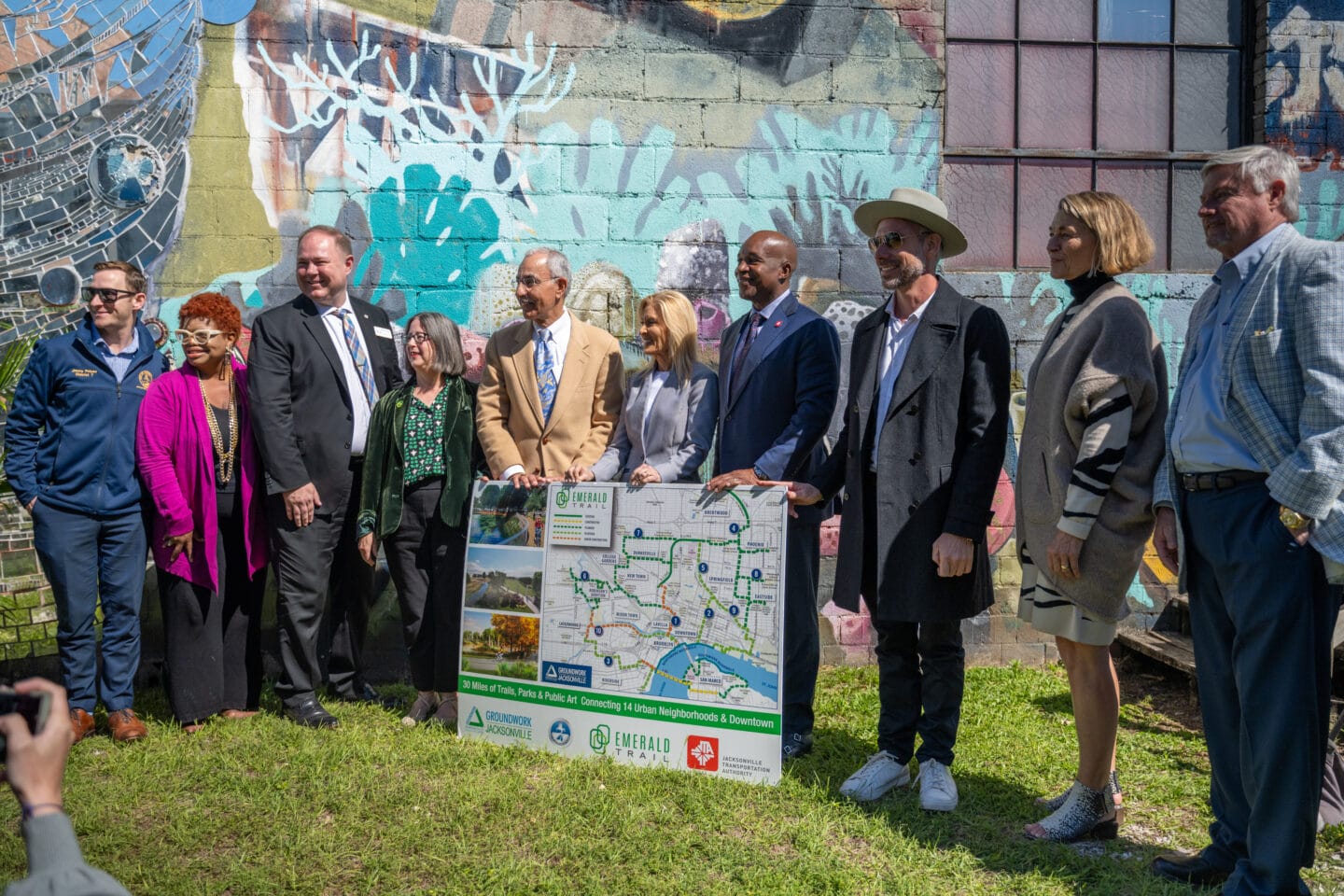
“The City of Jacksonville, Groundwork Jacksonville and the Jacksonville Transportation Authority (JTA) are celebrating a ‘major victory’ in their commitment to delivering the Emerald Trail to the Jacksonville community.”
PHXJAX in the Press | Upcoming Events | Internship Opportunities
Interested in building with us? Email info@phxjax.com for more info.