
With the Future of Cities expansion to Europe, we’ve been keeping our finger on the pulse for innovative conservation efforts, particularly in Portugal.
Initiatives like the Azores Marine Protected Area exemplify the critical intersection of biodiversity preservation, sustainable economic opportunity and cultural well-being. This new legislation, announced in October 2024 leading up to the UN Biodiversity Conference (CBD COP16) in Cali, Colombia, establishes the largest marine protected area network in the North Atlantic Ocean.
“The sea is an integral part of our collective identity, being vital socially, culturally and economically. We are committed to protect and recover our ocean to support a healthy blue economy. Our decision through a science-based and participatory process leading to the protection of 30% of our seas serves as an example that other regions must follow now to ensure the future health of the planet.”
José Manuel Bolieiro, President of the Regional Government of the Azores.
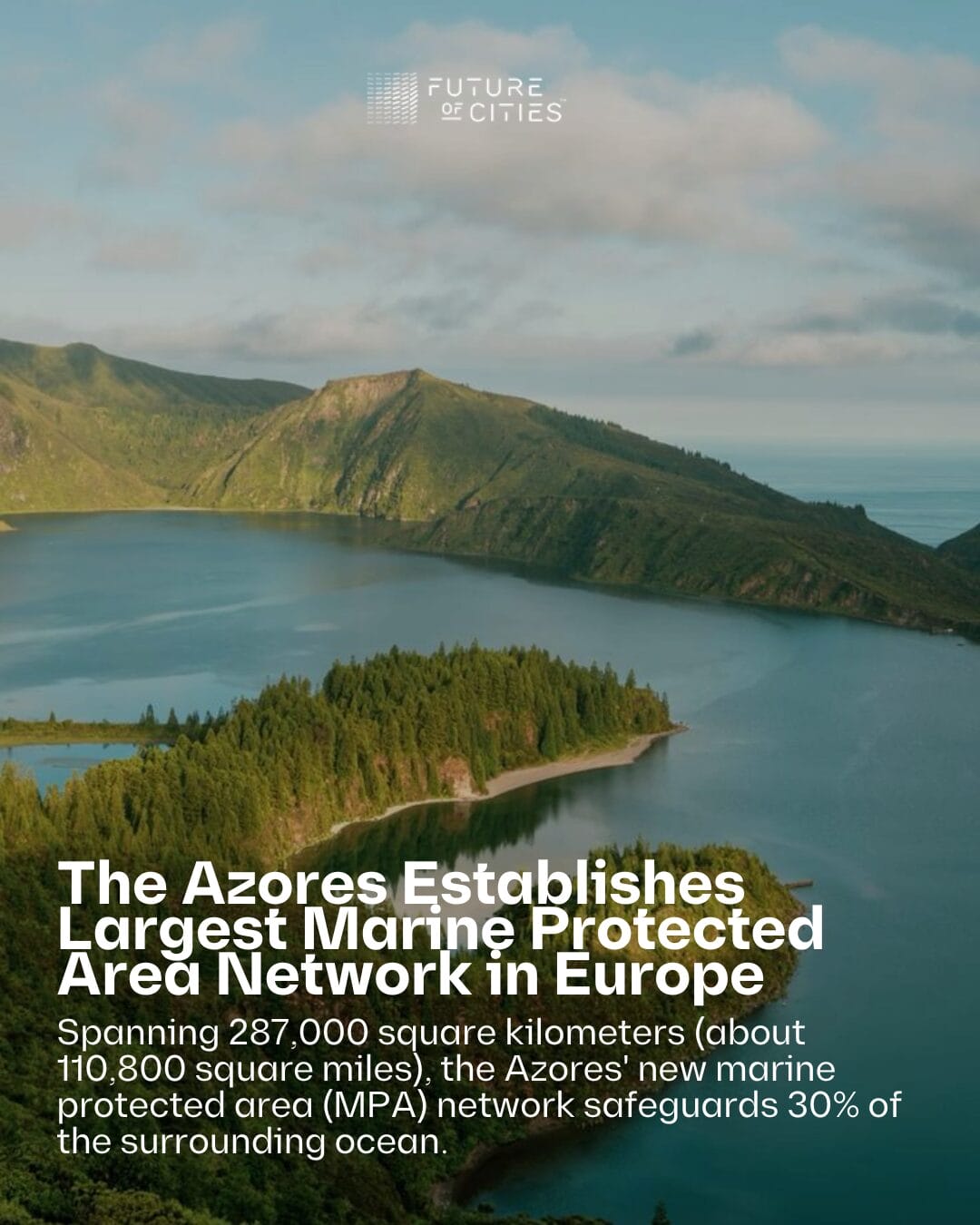
A Milestone for Ocean Protection
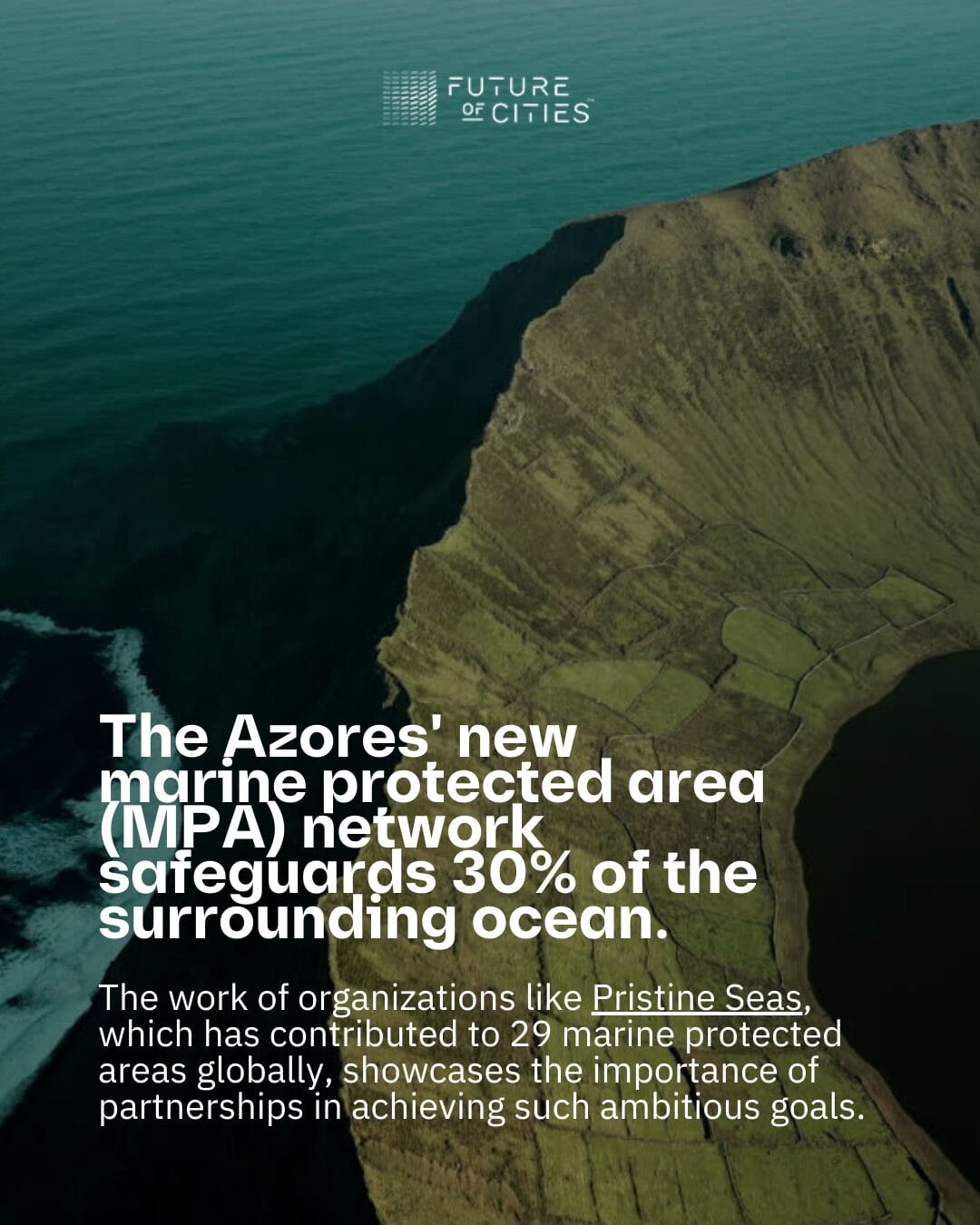
Spanning 287,000 square kilometers (about 110,800 square miles), the Azores’ new marine protected area (MPA) safeguards 30% of the surrounding ocean. This effort aligns with the global goal set in 2022 to protect 30% of the world’s land and ocean by 2030—a target aimed at addressing the urgent biodiversity crisis. Currently, only 8% of the ocean is under protection, and less than 3% is fully or highly safeguarded, making the Azores’ achievement a monumental step forward.
The Azores’ marine conservation effort isn’t just about numbers; it’s a testament to science-driven and participatory governance. The Azores Archipelago began their efforts with marine protection in the 1980s, evolving through joint collaboration among government, universities, and local communities. The Blue Azores program, launched in 2019 from a partnership between the Regional Government of the Azores, the Oceano Azul Foundation and the Waitt Institute, and the University of the Azores, has contributed to significant advances in marine conservation in the region.
“The benefits from this Marine Protected Area network will be far-reaching across Europe, North America and North Africa,”
says Bernardo Brito E Abreu, who’s been leading the Blue Azores team and is the Advisor to the President of the Government of the Azores on Sea Affairs and Fisheries.
This process ensures the preservation of deep-sea corals, whales, dolphins, sharks, manta rays, unique hydrothermal vent ecosystems, and countless other marine species as MPAs are widely recognized as the most effective tool in the global effort to reverse biodiversity loss.
The Azores is an autonomous region off the coast of Portugal, consisting of a stunning archipelago of nine volcanic islands in the North Atlantic Ocean. Located about 1,360 kilometers (850 miles) west of mainland Portugal, the Azores are renowned for their breathtaking natural landscapes, rich marine biodiversity, and unique cultural heritage.
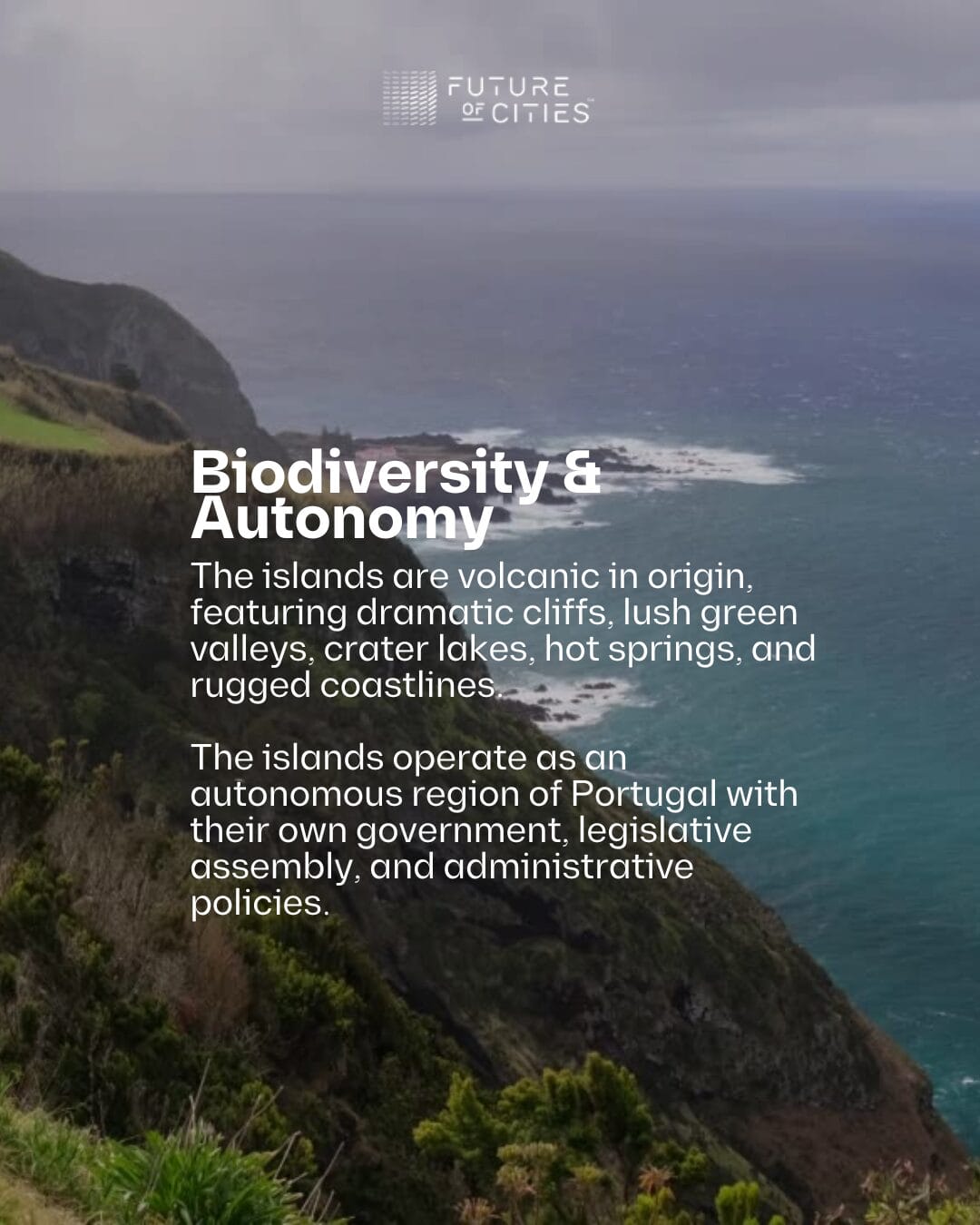
- Geography and Nature:
- The islands are volcanic in origin, featuring dramatic cliffs, lush green valleys, crater lakes, hot springs, and rugged coastlines.
- The archipelago includes nine islands divided into three groups:
- Eastern Group: São Miguel and Santa Maria
- Central Group: Terceira, Graciosa, São Jorge, Pico, and Faial
- Western Group: Flores and Corvo
- Marine Biodiversity:
- The waters surrounding the Azores are a hotspot for marine life, including whales, dolphins, sharks, manta rays, and deep-sea corals.
- The region is particularly known for whale watching and as a migratory route for various marine species.
- Culture and Autonomy:
- The Azores have a distinct cultural identity, shaped by centuries of Portuguese heritage combined with the isolated geography of the islands.
- The islands operate as an autonomous region of Portugal with their own government, legislative assembly, and administrative policies.
- Sustainability and Conservation:
- The Azores are globally recognized for their commitment to environmental conservation and sustainable tourism.
- Recent initiatives, such as the creation of the Azores Marine Protected Area Network, underscore the region’s dedication to protecting biodiversity.
The Azores is a prime example of a region balancing environmental conservation with economic development, making it an inspiring model for regenerative living and sustainable tourism.
Why Marine Conservation Matters for Urban Life
What does an oceanic conservation milestone have to do with the health of cities and their residents? The answer lies in the interconnectedness of ecosystems and urban environments. Marine ecosystems are vital to the planet’s climate regulation, carbon sequestration, and food security—all factors that directly or indirectly impact urban populations.
Healthy oceans contribute to civic health by:
- Enhancing Climate Resilience: Coastal and marine ecosystems, like mangroves and coral reefs, act as natural barriers against storms and rising sea levels. Protecting these ecosystems supports urban areas vulnerable to climate-related disasters.
- Ensuring Food Security: Sustainable fishing practices within MPAs ensure long-term food supply chains for urban and rural populations alike.
- Boosting Economic and Cultural Vitality: Coastal cities benefit economically and culturally from marine tourism and sustainable industries tied to vibrant ocean ecosystems.
The Azores as a Model for Autonomy & Sustainability
The Azores’ achievement serves as a model for how science-based, community-driven initiatives can lead to sustainable growth. By prioritizing conservation, the region not only protects biodiversity but also sets a precedent for urban areas to integrate nature-based solutions into their development plans.
The work of organizations like Pristine Seas, which has contributed to 29 marine protected areas globally, showcases the importance of partnerships in achieving such ambitious goals. For urban planners, policymakers, and environmental advocates, the Azores’ success underscores the value of cross-sector collaboration in tackling the interconnected challenges of climate change, biodiversity loss, and civic well-being.
Together, we can co-create a future where land and ocean conservation are deeply intertwined with the health and vitality of urban communities.
Join Us in Portugal
Sources:
- National Geographic: The Azores Establishes Largest Marine Protected Area Network in Europe
- National Geographic Expeditions: Exploring Portugal and the Azores
- https://iucn-members.us/2024/11/08/azores-archipelago-become-north-atlantics-largest-mpa/
- https://www.discoverwildlife.com/environment/azores-marine-protected-area
In an era marked by rapid urbanization and environmental challenges, the concept of regenerative communities is emerging as a beacon of hope.
Unlike traditional models of development that often deplete natural and social resources, regenerative communities aim to restore, renew, and revitalize ecosystems and human well-being. This holistic approach integrates sustainability, community engagement, and innovation to create spaces that not only sustain life but enhance it.
We need each other. We always have. As our world faces escalating challenges—climate change, social inequities, and environmental degradation—we are being called to take care of one another once again. The path forward lies in rediscovering the strength of communal care and embracing regenerative living. Regenerative communities are built on dynamic interdependence, where relationships between people and the environment are nurtured to create systems that thrive together. By returning to these principles, we can foster resilience, heal the land, and ensure a flourishing future for generations to come.
What Are Regenerative Communities?
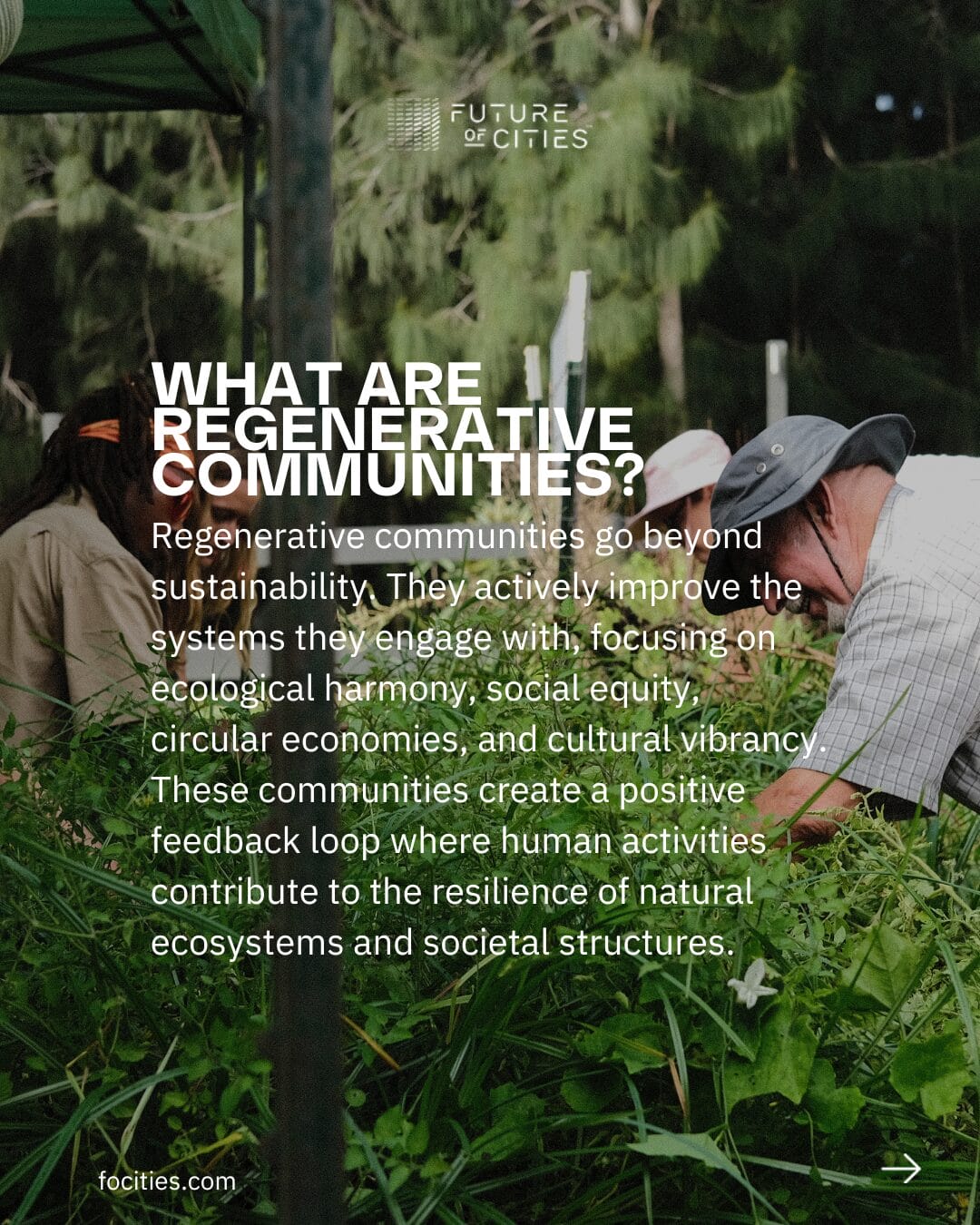
Regenerative communities go beyond sustainability to actively improve the systems they interact with. These communities prioritize the health of the planet, the prosperity of people, and the vitality of place. Regeneration means creating a positive feedback loop where human activities contribute to the resilience of both natural ecosystems and societal structures.
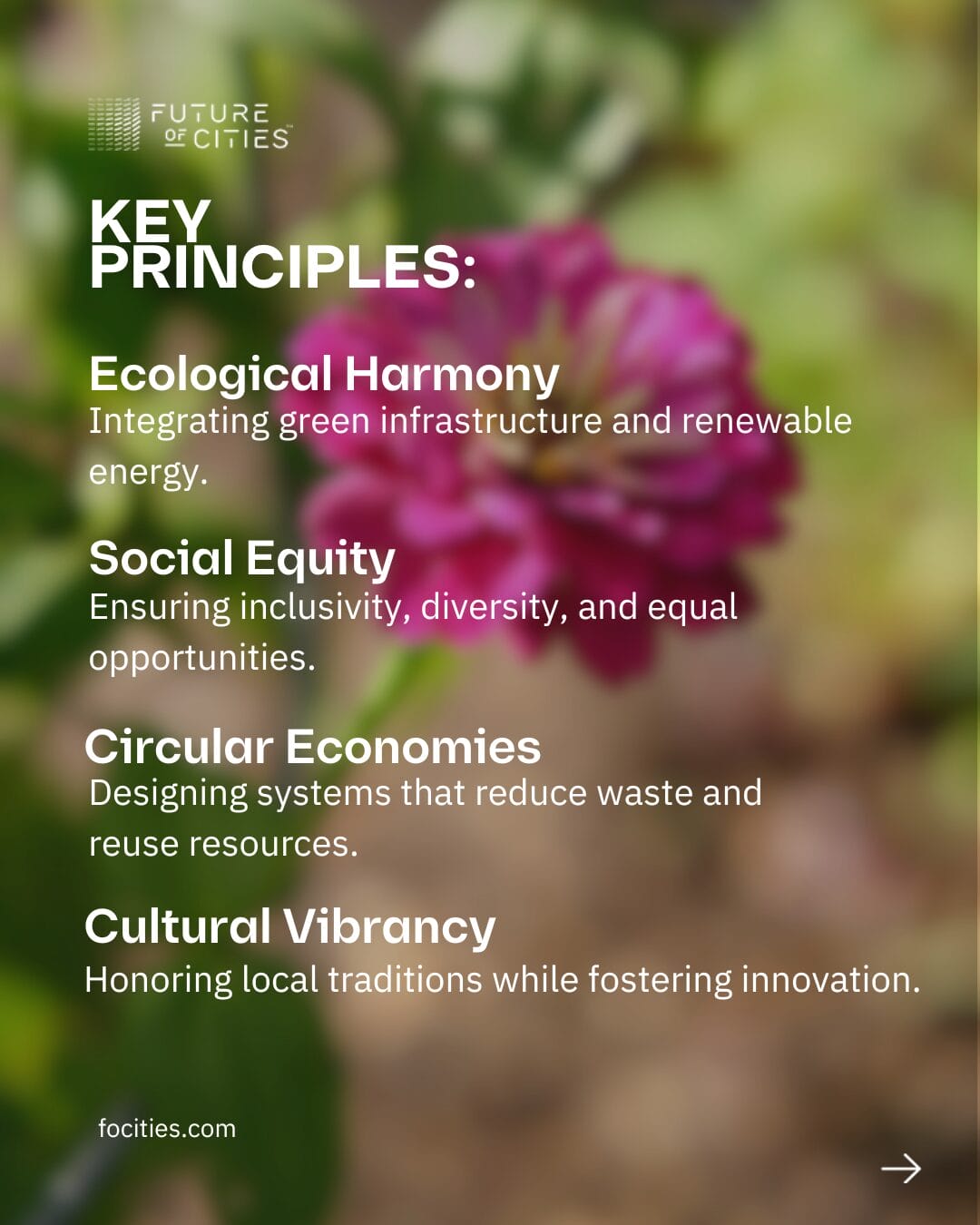
Key principles include:
- Ecological Harmony: Integrating green infrastructure, renewable energy, and biodiversity into community design.
- Social Equity: Ensuring inclusivity, diversity, and access to opportunities for all members.
- Circular Economies: Minimizing waste by designing systems that reuse resources efficiently.
- Cultural Vibrancy: Honoring local traditions, arts, and narratives while fostering innovation.
Why Do We Need Regenerative Communities?
The current trajectory of urban and suburban development has led to significant environmental degradation and social disconnection. Climate change, loss of biodiversity, and unsustainable resource use are escalating crises that demand new solutions. Regenerative communities offer a pathway to:
- Mitigate environmental impact through practices like permaculture, carbon sequestration, and water recycling.
- Build resilience to climate-related disasters by emphasizing local food systems and disaster preparedness.
- Strengthen social ties by fostering participatory governance and shared spaces.
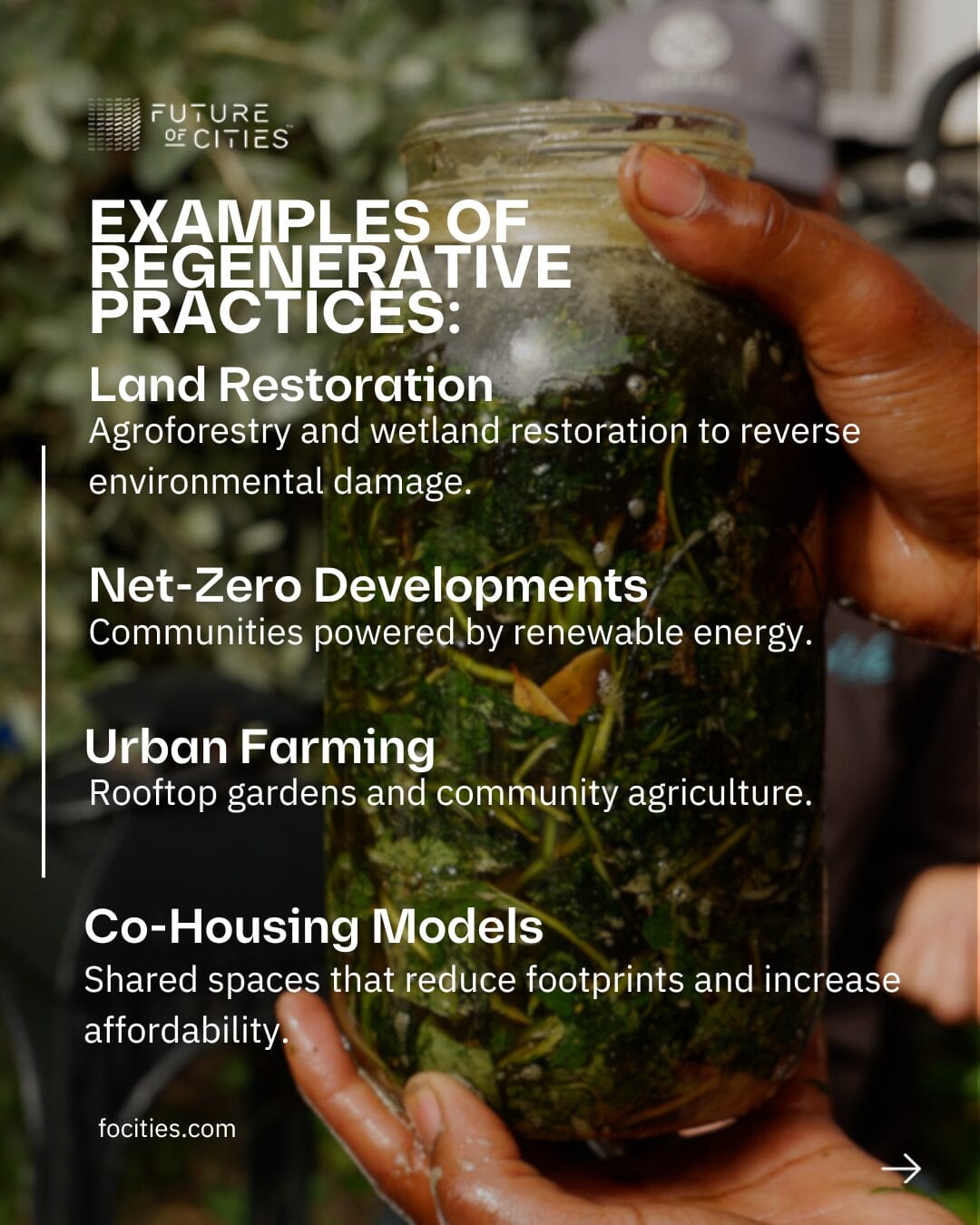
Examples of Regenerative Practices
- Land Restoration: Projects like agroforestry and wetland restoration can reverse environmental damage while providing habitat and resources.
- Net-Zero Developments: Communities powered by renewable energy and designed for energy efficiency.
- Urban Farming: Integrating rooftop gardens, vertical farming, and community agriculture into urban settings.
- Co-Housing Models: Shared spaces and resources that reduce environmental footprints and increase affordability.
How to Build Regenerative Communities
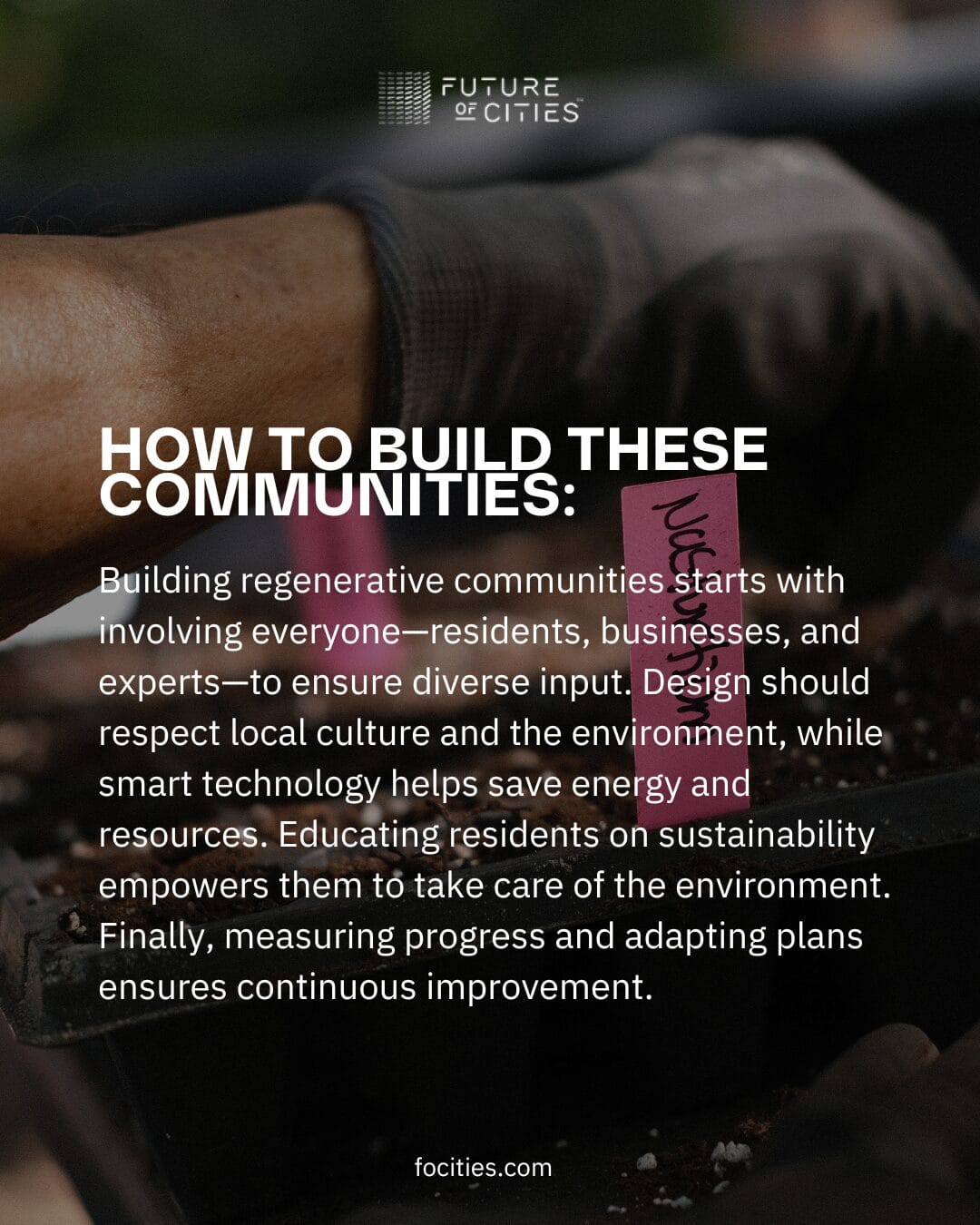
1. Engage Stakeholders
Involve local residents, policymakers, businesses, and environmental experts from the outset. Inclusive decision-making ensures the community reflects diverse needs and perspectives.
2. Design for Place
Understand and respect the ecological and cultural context of the area. Regenerative design is site-specific, emphasizing local materials and traditions.
3. Leverage Technology
Utilize not just smart systems but wise systems for energy management, waste reduction, and community connectivity. Emerging technologies like blockchain can enhance transparency and collaboration.
4. Educate and Empower
Provide resources and workshops to teach residents sustainable practices. Empower individuals to become stewards of their environment.
5. Measure and Adapt
Set clear metrics for success across environmental, social, and economic dimensions. Use data to refine strategies and address challenges.
The Importance of Intergenerational Communities
Intergenerational communities are vital to fostering resilience, connection, and a deeper sense of belonging in regenerative developments. These communities blend the wisdom of older generations with the innovation and energy of younger ones, creating a harmonious exchange of knowledge, skills, and perspectives. By designing spaces where people of all ages can coexist and collaborate—whether through shared gardens, cultural programs, or mentorship initiatives—we cultivate a rich tapestry of relationships that strengthen social bonds. Intergenerational living not only supports holistic well-being but also ensures that traditions and values are preserved while allowing for growth and adaptation. In these communities, the focus shifts from individual isolation to collective flourishing, laying the foundation for a regenerative future that honors both past legacies and future possibilities.
The Role of Demonstration Projects in Shaping Tomorrow’s Cities
Future of Cities, through its demonstration projects—the Phoenix Art & Innovation District, Climate & Innovation HUB, ChoZen Eco-Retreat, and Portugal+ Golden Visa Program —provides living examples of these principles in action. Each project is a testament to the power of intentional design, collaboration, and community-driven development in crafting spaces that give back to the planet and its people.
Phoenix Art & Innovation District
The Phoenix Art & Innovation District reimagines the role of arts and culture in urban revitalization. Situated in a fast-growing metropolitan area in the U.S., this district seeks to integrate public art, technology, and green infrastructure to cultivate economic development and social equity. By anchoring its design in regenerative principles, the district prioritizes inclusive public spaces. The project serves as a hub where creativity intersects with innovation, inviting collaboration from diverse stakeholders to address pressing urban challenges while enhancing community vibrancy.
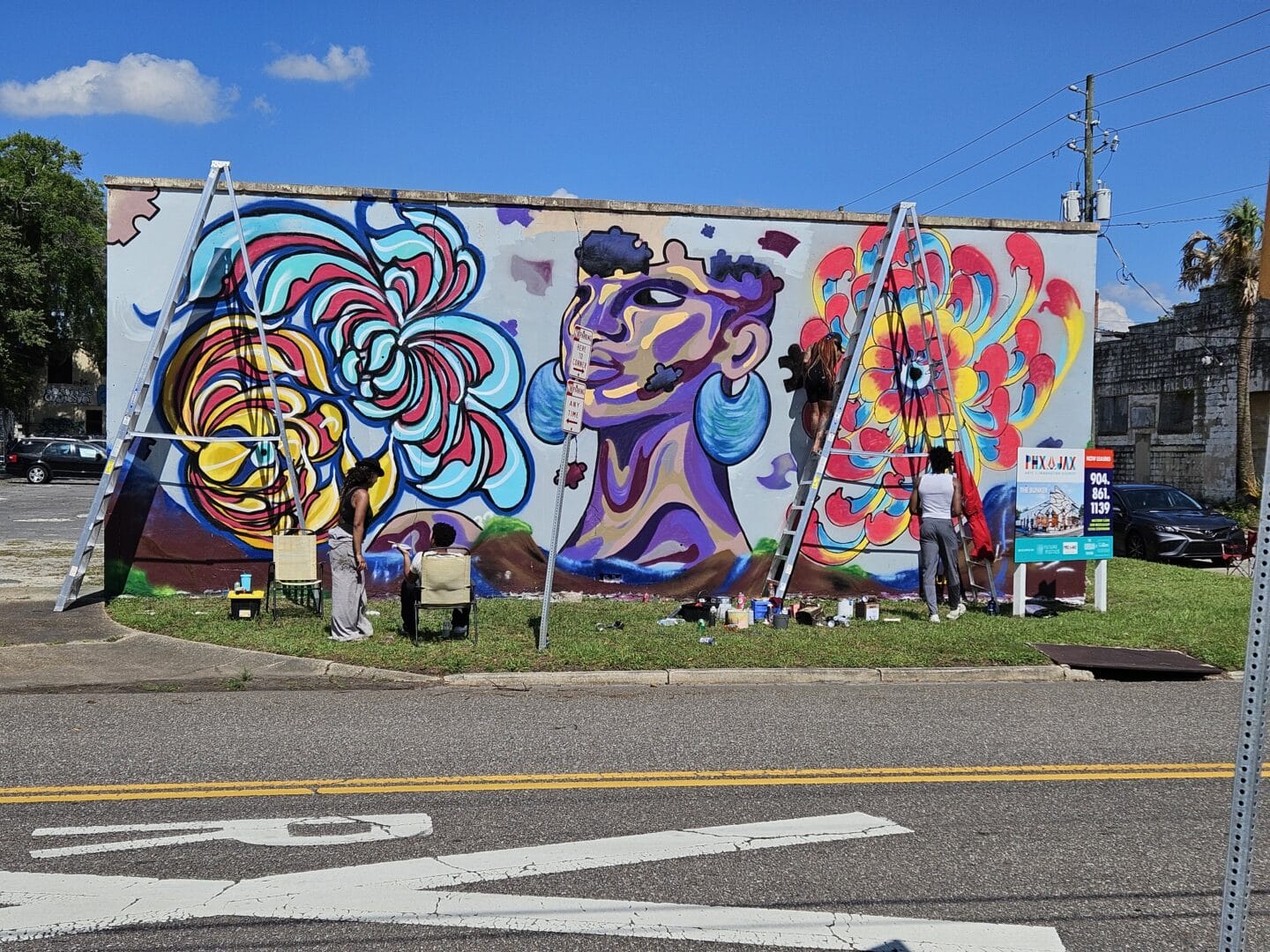
Jacksonville, Florida, has experienced notable population growth in recent years. Between July 2022 and July 2023, the city added approximately 14,000 residents, ranking fourth in numeric population gain among U.S. cities during that period. Source: First Coast News
Climate & Innovation HUB
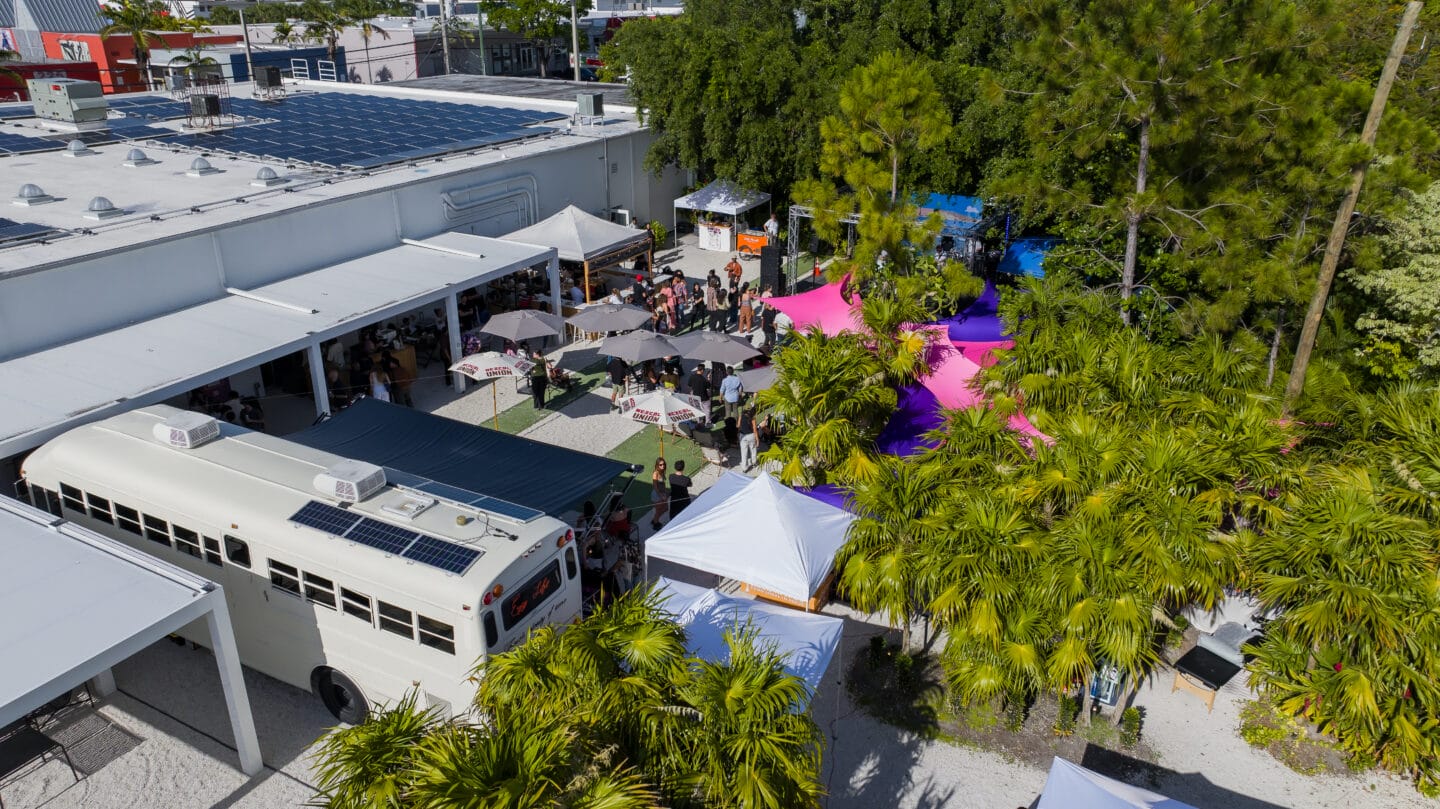
At the Climate & Innovation HUB in Miami, the emphasis is on forging solutions to climate resilience through education, entrepreneurship, and cross-sector collaboration. This initiative, a beacon for regenerative urbanism, hosts events, workshops, and incubator programs that tackle critical issues such as rising sea levels and sustainable architecture. By convening thought leaders, developers, and policymakers, the HUB creates a dynamic space where forward-thinking ideas are put into practice. With a focus on circular economies, climate tech and community empowerment, the HUB epitomizes how local action can inspire global change.
ChoZen Eco-Retreat
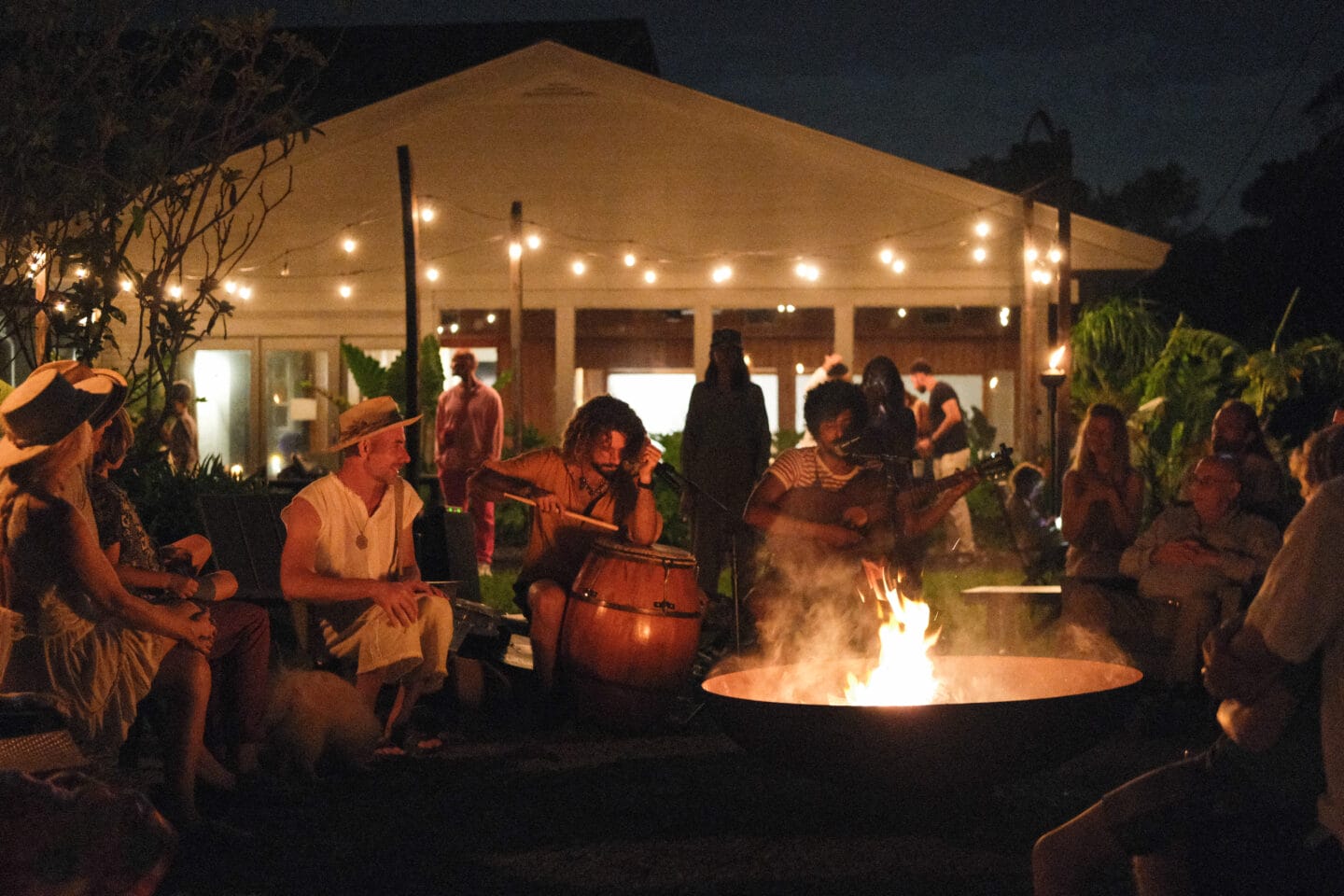
Future of Cities also extends its regenerative ethos to natural landscapes, exemplified by the ChoZen Eco-Retreat in Sebastian, Florida. ChoZen embodies holistic living, merging eco-tourism with permaculture, land conservation, soil health, wellness, and education through ChoZen Air & ChoZen Farm. Visitors experience firsthand how living in harmony with nature can heal and enrich both land and spirit. These initiatives underscore the importance of balancing human needs with ecological stewardship, showing that regeneration is not a theory but a lived practice that connects people to place and purpose.
Community, Nature, Culture
Through our demonstration projects at Future of Cities, we are proving that a better way of building and living is not just possible—it is already unfolding. At the heart of these projects are the core pillars of regenerative placemaking: community, nature, and culture. Within each community – connection, resilience, and reciprocity come to life in unique and vibrant ways, embracing and expressing distinct styles, creative visions, and values.
From the dynamic creative culture and small business-focused circular economies at the Phoenix Arts & Innovation District to the climate-forward innovation and intentionality of the Climate & Innovation HUB in Miami, from the holistic regenerative living, farming, and eco-adventures at ChoZen Eco-Retreat & Sanctuary to the cultural preservation and pioneering regenerative development efforts in Portugal through the Portugal+ Golden Visa Program, each project reflects its distinct character and purpose. Together, they serve as powerful models for a thriving, regenerative future.
A Vision for the Future
Imagine neighborhoods where every building generates more energy than it consumes, green corridors connect communities to nature, and residents feel a profound sense of belonging and purpose. Regenerative communities embody this vision, offering a roadmap for thriving futures.
As we confront the challenges of the 21st century, the shift from extractive to regenerative practices isn’t just an option—it’s a necessity. By embracing regenerative principles, we can create communities that sustain life and inspire generations to come.
Check us out on Amazon Prime! Get a behind the scenes look with Future of Cities Founder Tony Cho as he takes you through each of our demonstration projects featured in the Road to Utopia series.
In the first episode Tony shares about Regenerative Communities and takes you through the lands and stories of place throughout the state of Florida from Miami to Sebastian to Jacksonville. Together, they exemplify how diversity in approach, biodiversity in ecosystems & ecosystems thinking creates a unified movement toward a regenerative future.
Innovation, sustainability and community to co-create places and systems that serve people and planet
On the Road to… We are excited to share the release of Road to Utopia, a series on Food Matters TV (FMTV) on Amazon featuring Future of Cities founder Tony Cho, alongside Alessa Berg of Top Tier Impact. Episode 1 dives into the future of regenerative communities with Tony, highlighting our demonstration projects that are reimagining regenerative development and creative placemaking through Regenerative Placemaking including the Phoenix Arts & Innovation District in Jacksonville, Florida, the Climate & Innovation HUB in Miami and ChoZen Eco-Retreat & Sanctuary in Sebastian, Florida. In celebration of the official release we are excited to share the upcoming screening schedule with our community along with an opportunity to enter to win a Safari Weekend Getaway at ChoZen Eco-Retreat & Sanctuary to join Tony & the Future of Cities team for a weekend in the wild + Q&A. Read on for all of the details!

Protopia is about incremental progress—acknowledging that perfection isn’t the goal but rather a steady movement toward a better, more regenerative future. Unlike the static and often unattainable vision of utopia, protopia embraces the idea of adaptive evolution. It’s about learning from our mistakes, iterating solutions, and cultivating resilience in the face of complexity.
“To me, protopia is rooted in collaboration and grounded action; it’s about weaving together innovation, sustainability, and community engagement to create places and systems that serve both people and the planet…”
– Tony Cho
Episode 1: Regenerative Communities – Start your free trial and stream Episode 1: Sustainable Communities with Tony Cho on Food Matters TV (FMTV) on Amazon ; Currently only available in the U.S
The Road to Utopia episode on regenerative communities features an insightful journey through the Future of Cities ecosystem, showcasing innovative approaches to regenerative development and creative placemaking. Guided by Tony Cho, Founder and co-creator of Future of Cities, the episode highlights how intentional community building can inspire sustainability and empower for regenerative outcomes. Through the lens of the Phoenix Arts & Innovation District, viewers explore how art, culture, and collaboration serve as catalysts for urban transformation. The Climate & Innovation HUB emerges as a model for green innovation and resilience, providing a platform to address pressing environmental challenges while fostering community engagement and forward-thinking solutions.
Tony also shares a deeply personal perspective on the history and legacy of ChoZen Eco-Retreat and sanctuary—a haven for biodiversity, reflection, and intentional living. Situated on sacred land, ChoZen embodies the principles of harmony with nature and the power of regenerative practices to heal both land and people. By weaving together stories of these interconnected spaces, the episode offers a vivid portrait of how Future of Cities is redefining urban living, rooted in creativity, inclusivity, and sustainability. This roadmap to a more “protopian” future highlights the critical role of leadership, vision, and collective action in shaping thriving communities that honor both people and the planet.
“Utopia can be paralyzing because it suggests a singular ideal, but protopia invites us to actively participate in shaping a diverse and equitable world. It’s an ongoing journey where progress is celebrated and even small wins have a ripple effect. By focusing on regenerative development and conscious placemaking, we have the tools to build this better future—one step at a time.”
– Tony Cho
SAFARI WEEKEND GIVEAWAY
FEBRUARY 7-9TH, 2025
ChoZen Eco-Retreat & Sanctuary | Sebastian, Florida
We are excited to share the release of Road to Utopia, a series on Food Matters TV (FMTV) on Amazon featuring Future of Cities founder Tony Cho, alongside Alessa Berg of Top Tier Impact. Episode 1 dives into the future of regenerative communities with Tony, highlighting our demonstration projects that are reimagining regenerative development and creative placemaking through Regenerative Placemaking with the Phoenix Arts & Innovation District in Jacksonville, Florida, the Climate & Innovation HUB in Miami and ChoZen Eco-Retreat & Sanctuary in Sebastian, Florida.
In celebration of the official release we are excited to share the upcoming screening schedule with our community along with an opportunity to enter to win a Safari Weekend Getaway at ChoZen Eco-Retreat & Sanctuary to join Tony & the Future of Cities team for a weekend in the wild from Feb 7-9th + Q&A on February 8th, 2025.
As a demonstration project of Future of Cities, ChoZen Eco-Retreat & Sanctuary gathers thought leaders, change makers, community builders and place makers from around the world who seek to explore regenerative systems and implement climate solutions. By reconnecting with the land and fully immersing guests in a regenerative lifestyle, ChoZen provides a unique culture and vibrant environment to inspire positive change & transformation for future generations.
Co-Working. Podcast Studio. Events
The Climate & Innovation HUB Miami is designed to cultivate a symbiosis between our local & global ecosystem of innovators, change makers & tastemakers to lead the next generation of Regenerative Placemakers.
___________
CO-WORKING | THE REEFLINE
We are extremely excited to introduce the newest addition to our ecosystem of innovators working on changing the future at the Climate & Innovation HUB – Miami as they prepare to deploy their underwater sculpture installations in Miami Beach this Fall!
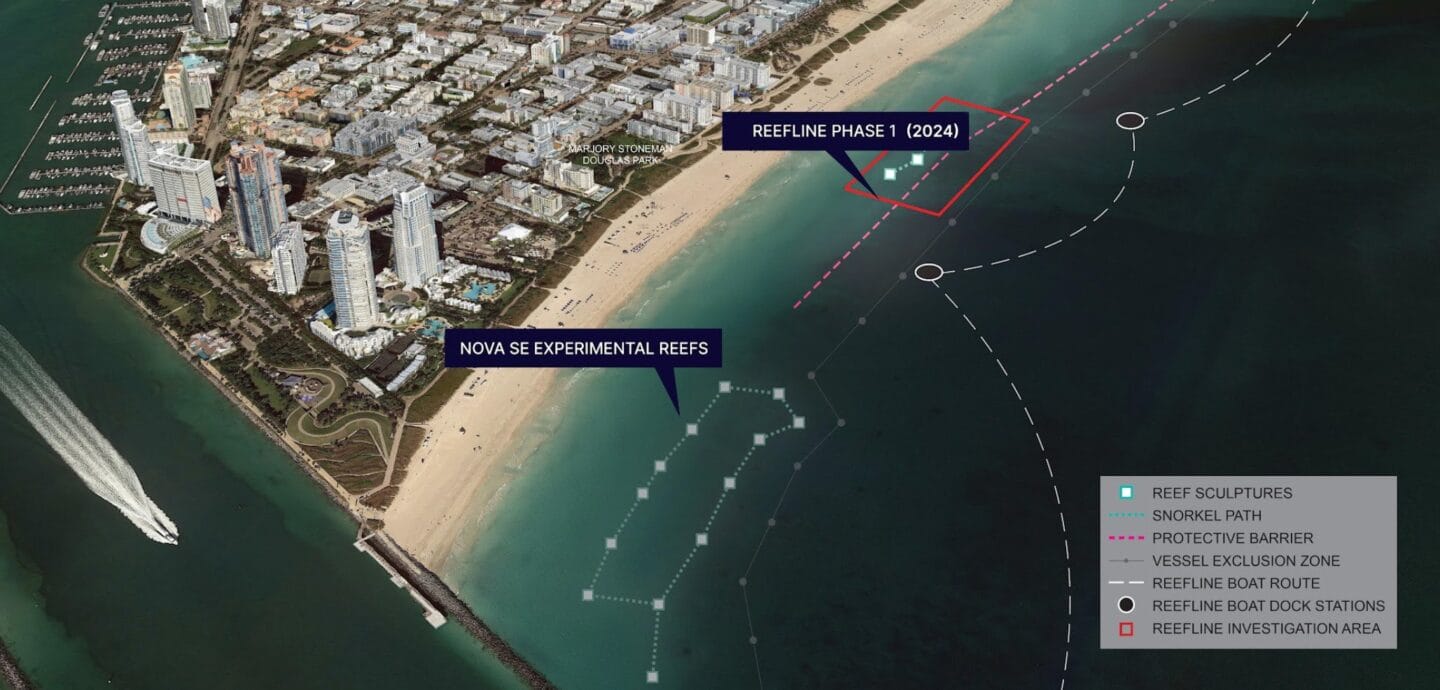
Art as a Tool For Change | The Reefline is a 7 mile underwater public sculpture park, snorkel trail and purpose-built reef +600ft off of Miami Beach ~ launching Fall 2024
Want to book co-working day pass at the Climate & Innovation HUB? Email info@focities.com
___________

PODCAST STUDIO HIGHLIGHTS | Path of the Panther x Wildpath
The Path of the Panther team used our podcast studio at the Climate & Innovation HUB co-working space to record an educational podcast designed to foster human and natural systems learning in children. Through captivating place-based storytelling, interviews with ecologists, ranchers and tribal leaders, and immersive landscapes, young listeners will gain a deeper understanding of the role of the Florida panther as a cultural and ecological keystone species, an organism that helps define an entire ecosystem. Stay tuned for more coming Fall 2024 …
Want to book the podcast studio at the Climate & Innovation HUB? Email info@focities.com
___________
SPRING EVENTS
TASTEMAKERS – Lengua Food Marketing Conference
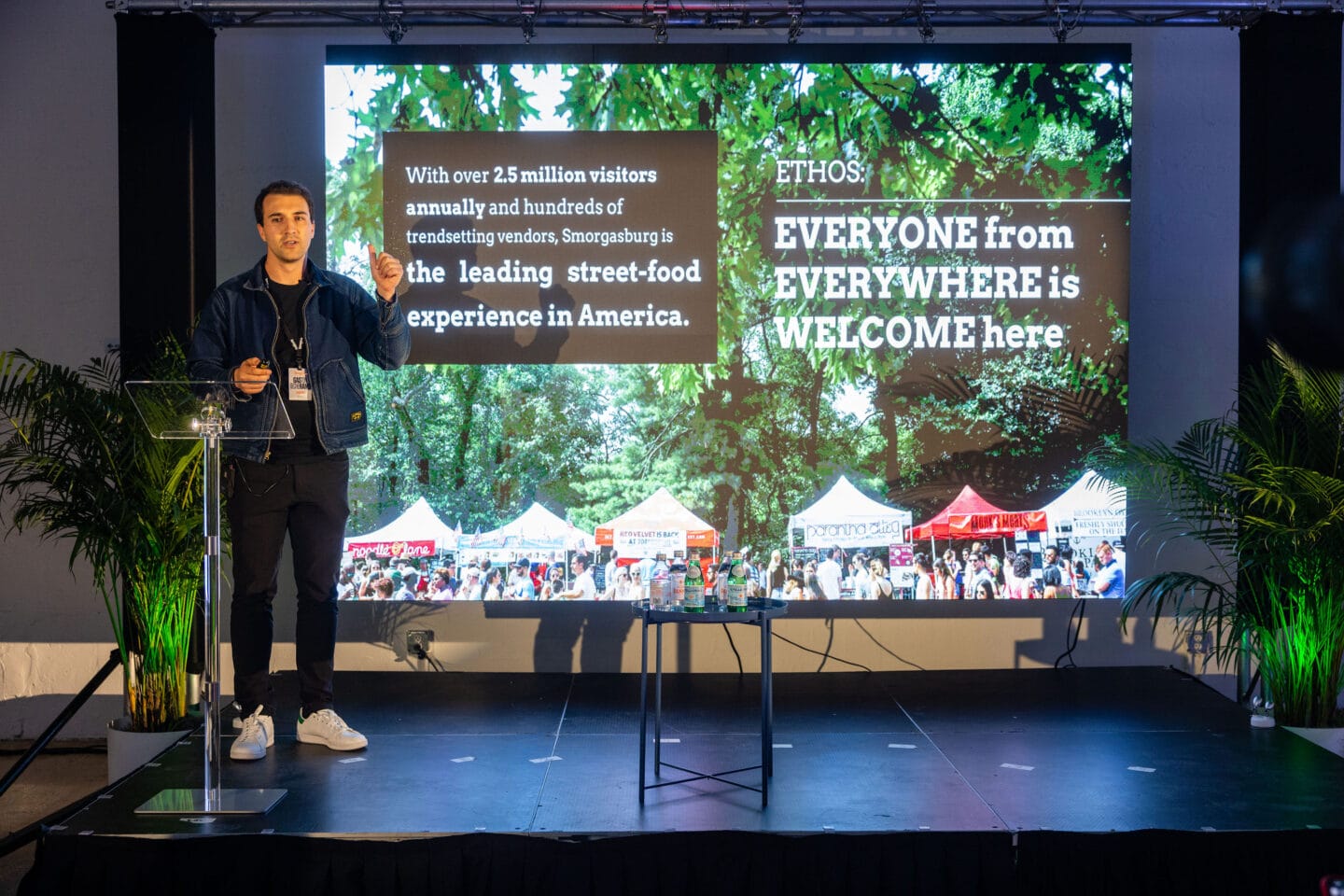
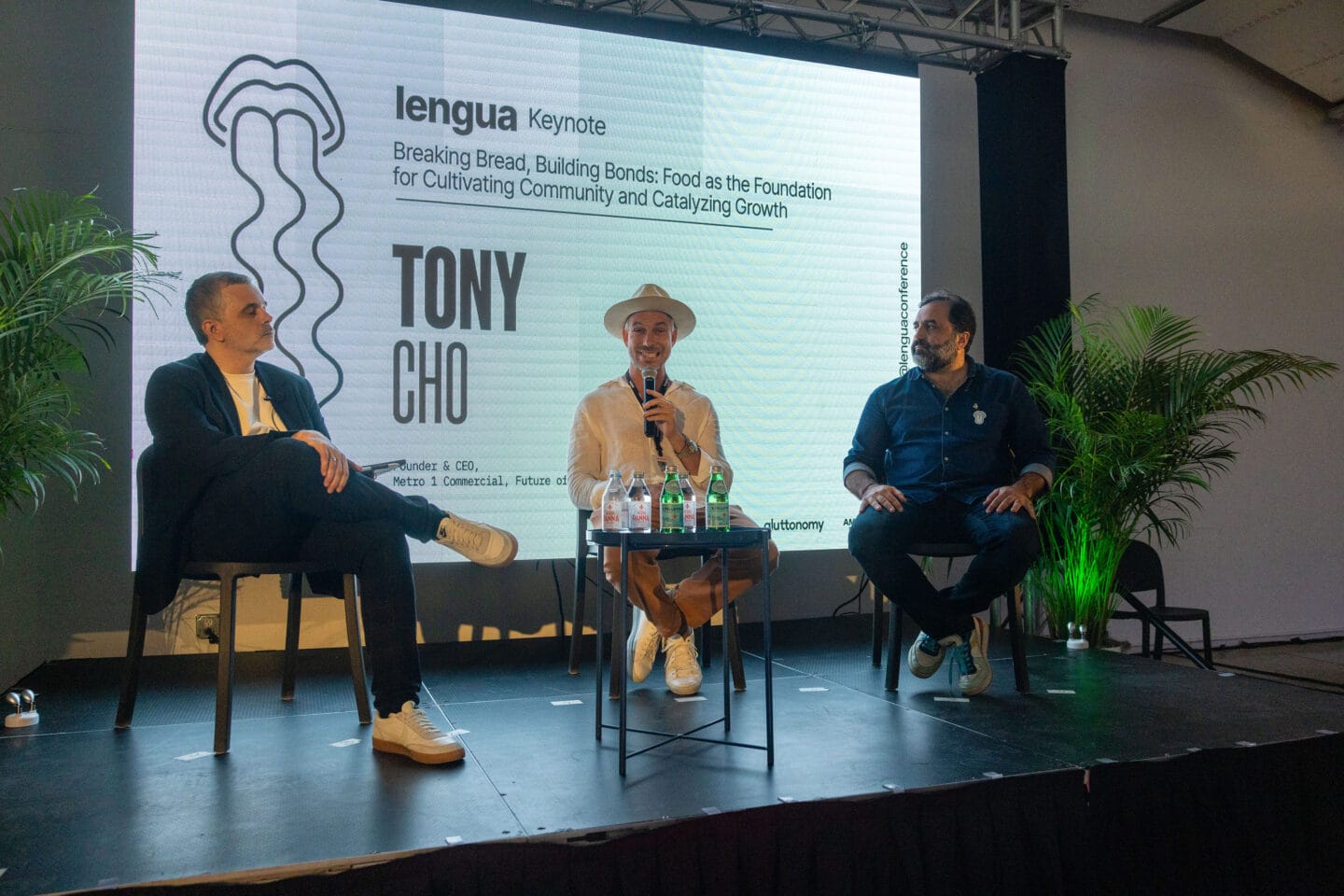
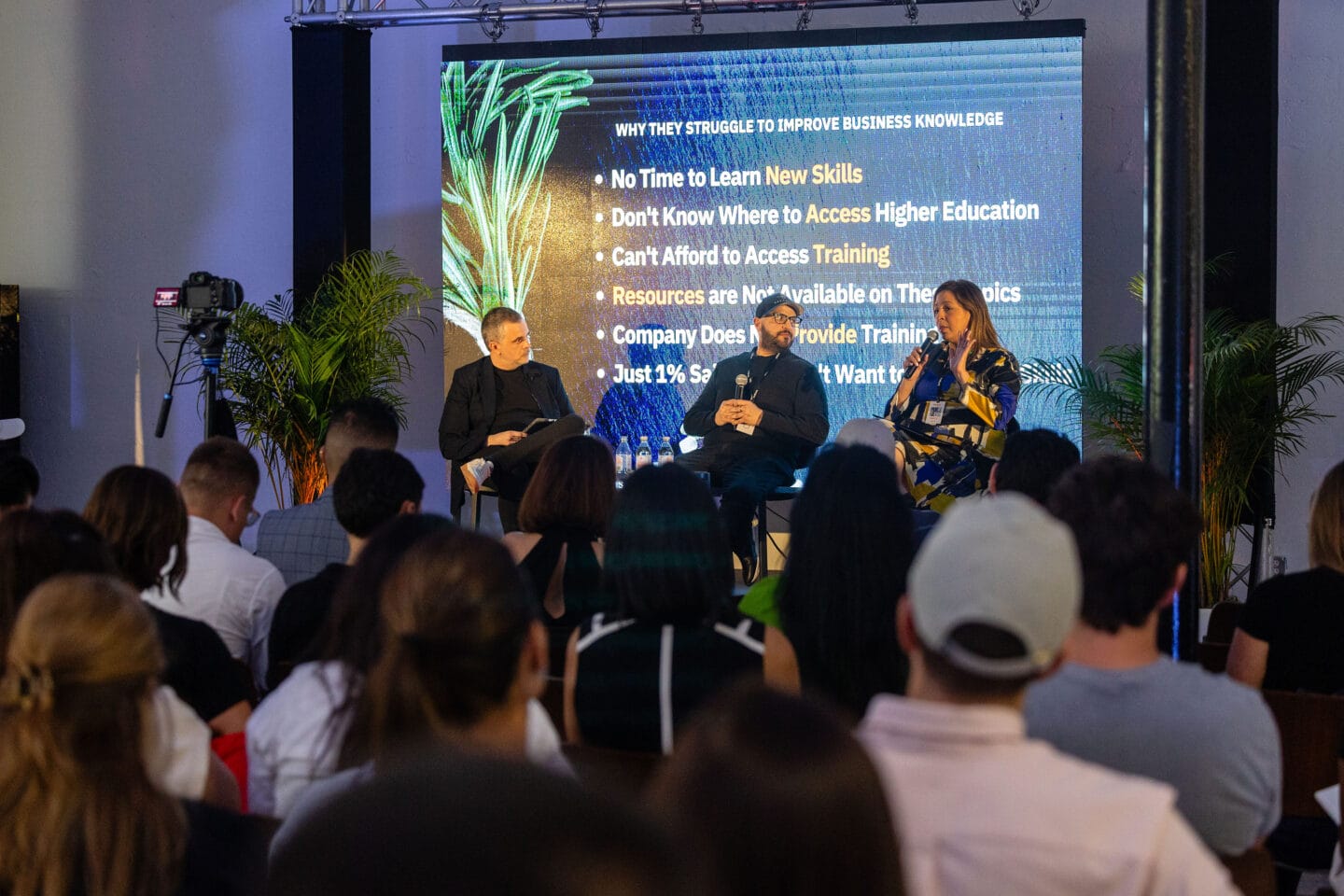

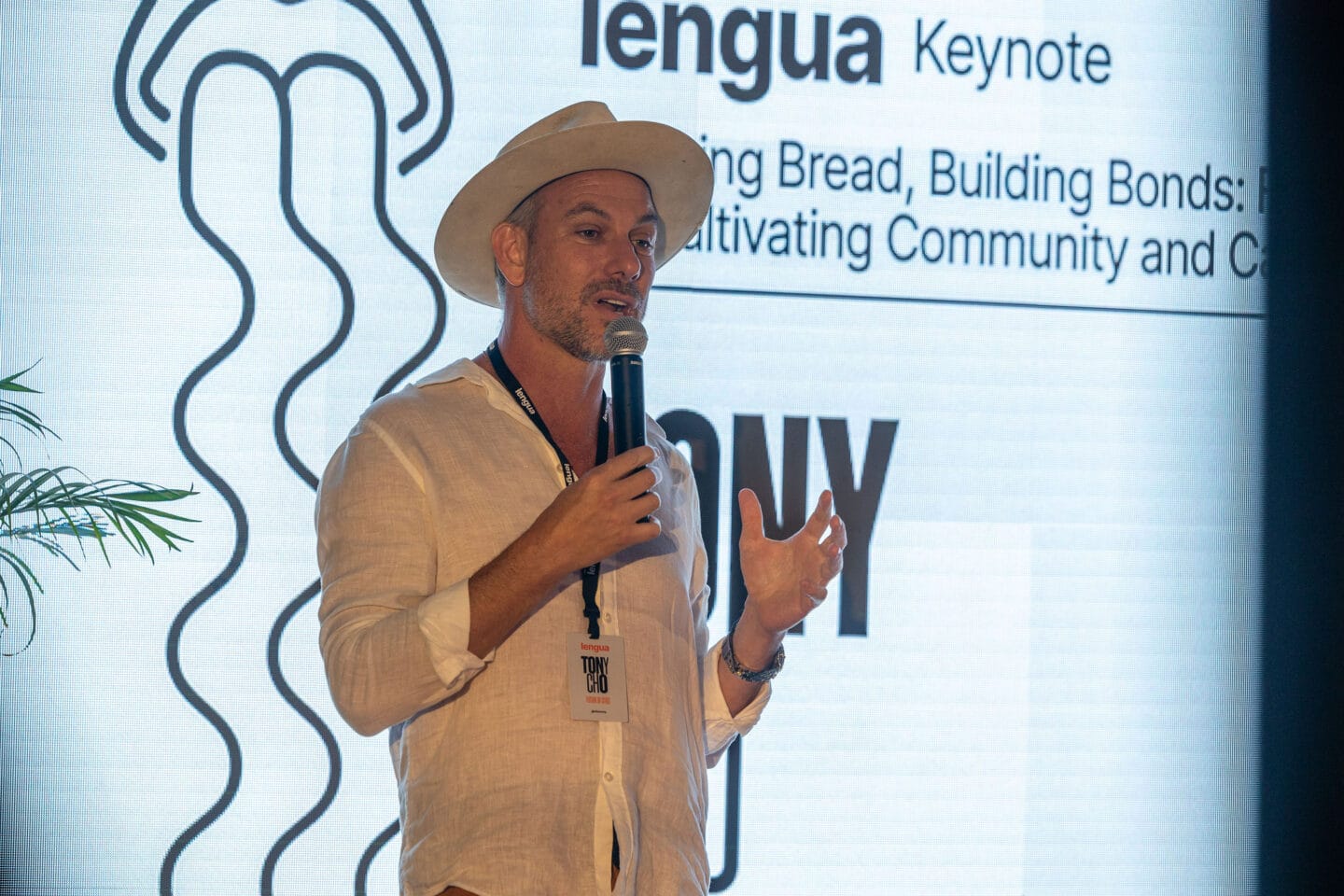
The only place where food industry professionals, chefs, and executives come together to learn about food marketing, financing, and innovation.
MUSIC – UNSiN Music Conference & Festival

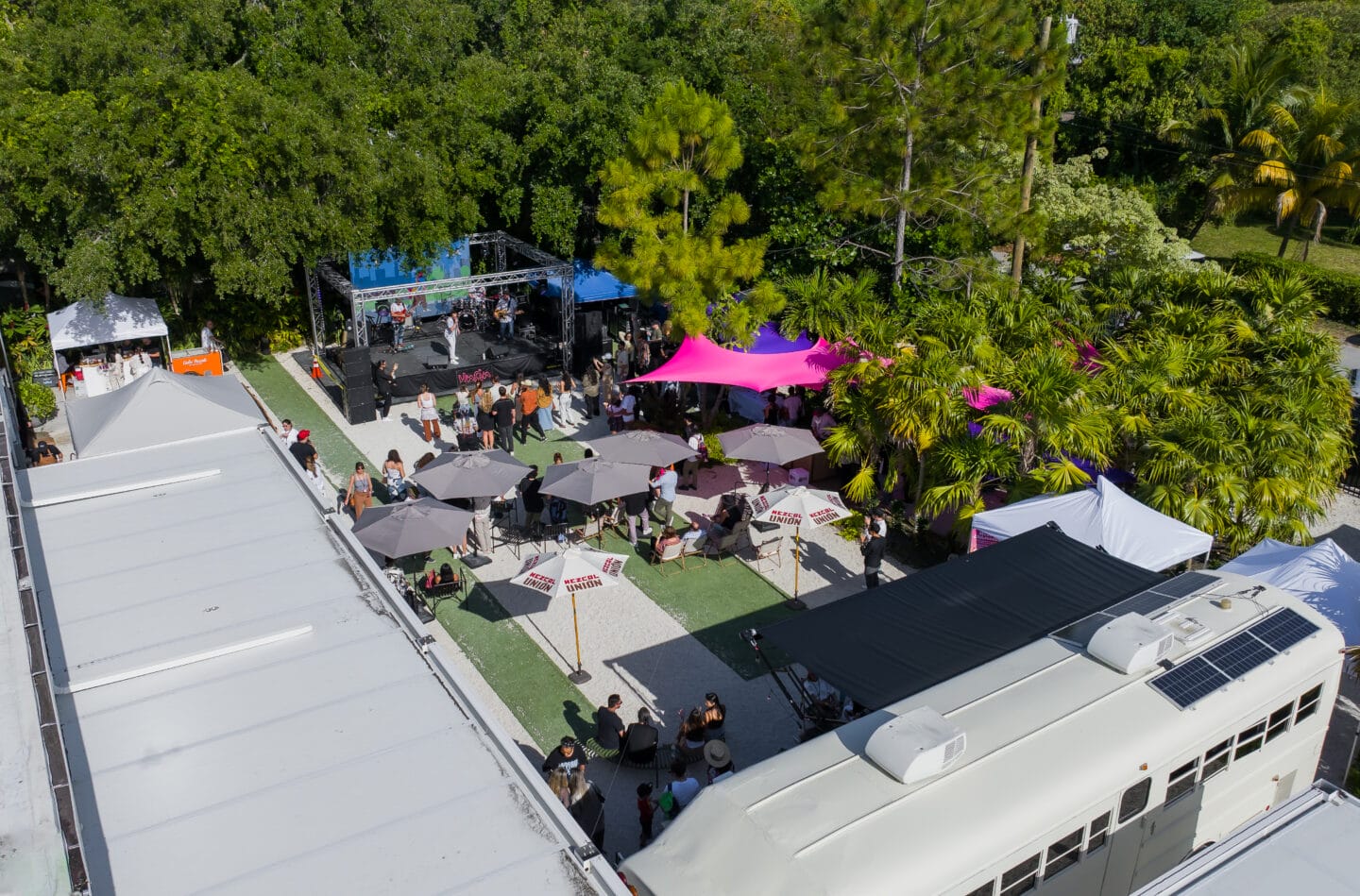
A space carefully designed for creatives, artists, executives and entrepreneurs to know each other, connect, appreciate and grow as a community
Watch the Full event recap HERE
WELLNESS – Mindvalley Health & Body Summit (Virtual)

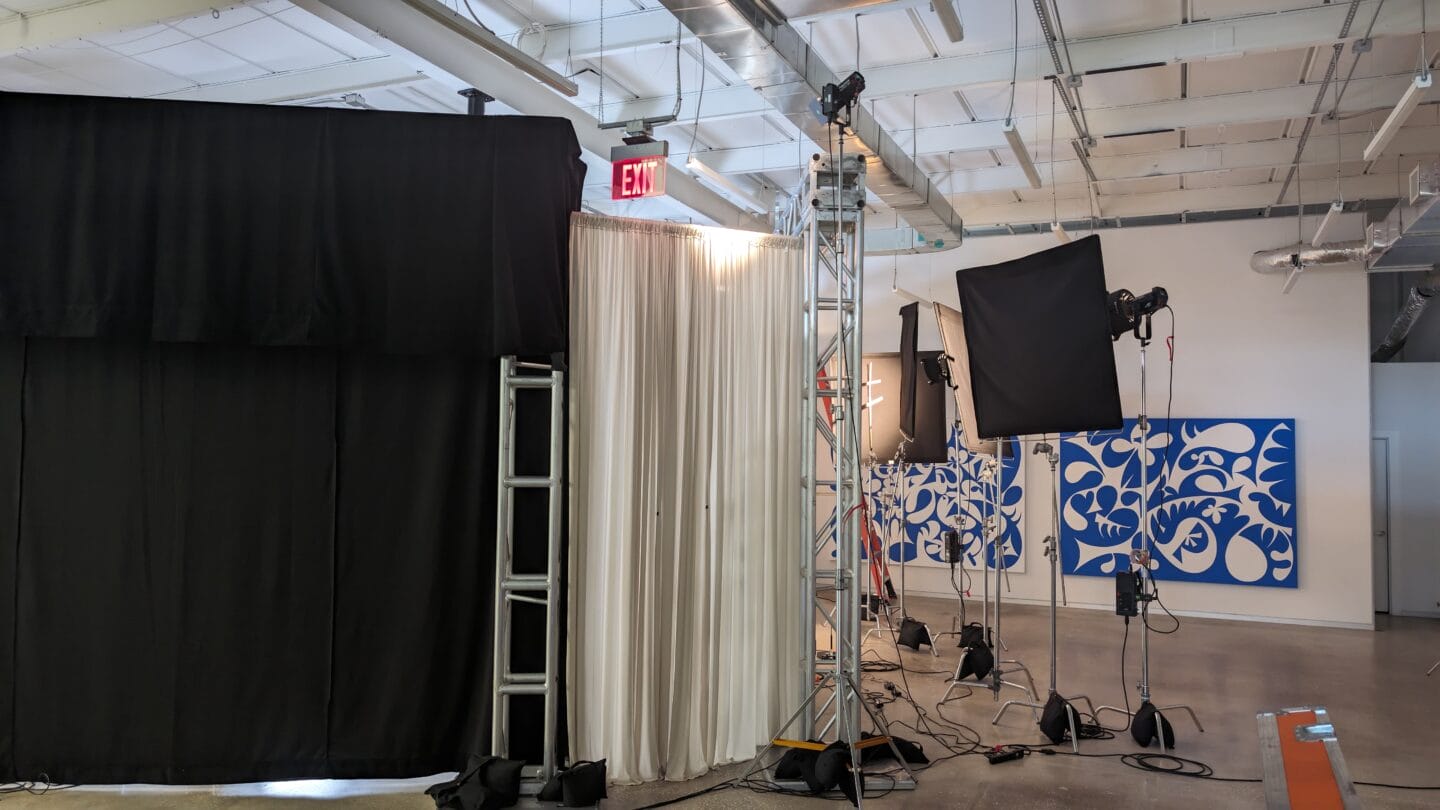
A 3-Day Deep Dive With the World’s Best Health, Wellness & Longevity Experts
Looking to book an event at our Regenerative Event Space at the HUB? Email events@thehubmia.com
by Alexandra J Tohme and François Alexandre
With rapid growth happening in the urban cores of Jacksonville and Miami, local leaders highlight the need to bridge culture, arts, community knowledge and economic opportunities — for better outcomes for all, cultural celebration & thriving cities.
On Saturday, November 18, Future of Cities (FOC) in partnership with Stratosferica, held the first US edition of the city-making summit, Utopian Hours — hosted at our Climate + Innovation Hub. The “city-making festival” was dedicated to dynamic discussions and engaging debates on urban development, and strategies for cities and the built environment — gathering developers, placemakers, city officials, researchers and architects and more, from the United States, Italy and around the world.
Multiple panels were presented, ranging from the “feminist city” with urban anthropologist Katrina Johnston-Zimmerman, to placemaking and citizen making in Turin Italy, to “maximizing public space’s potential in New York City” with Ya-Ting Liu, to National Geographic Explorer Alize Carrere’s “introduction to climatopias.”
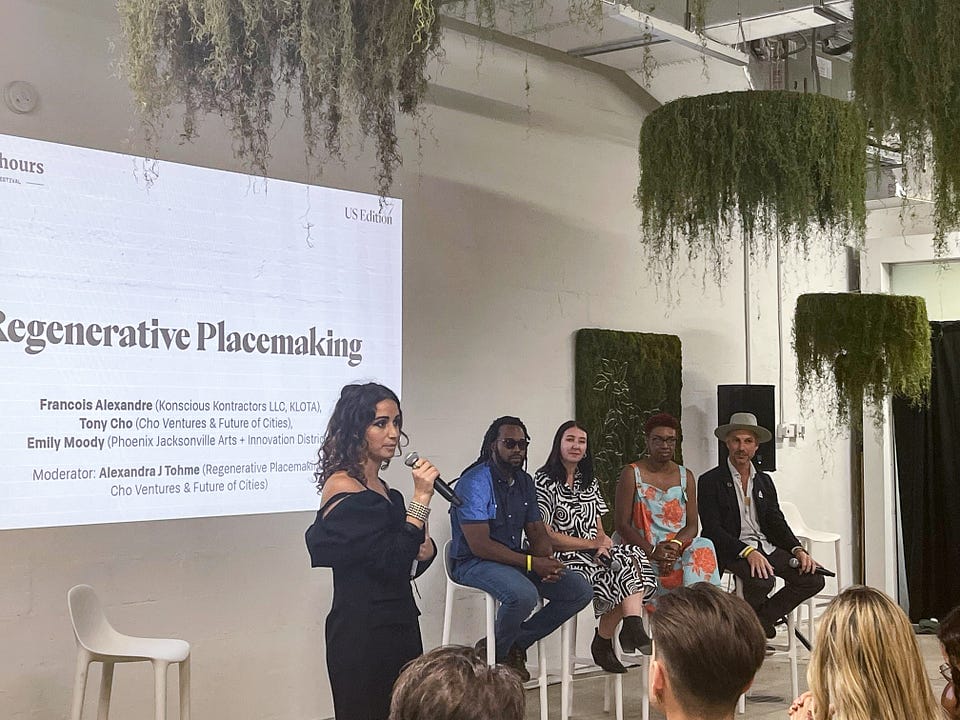
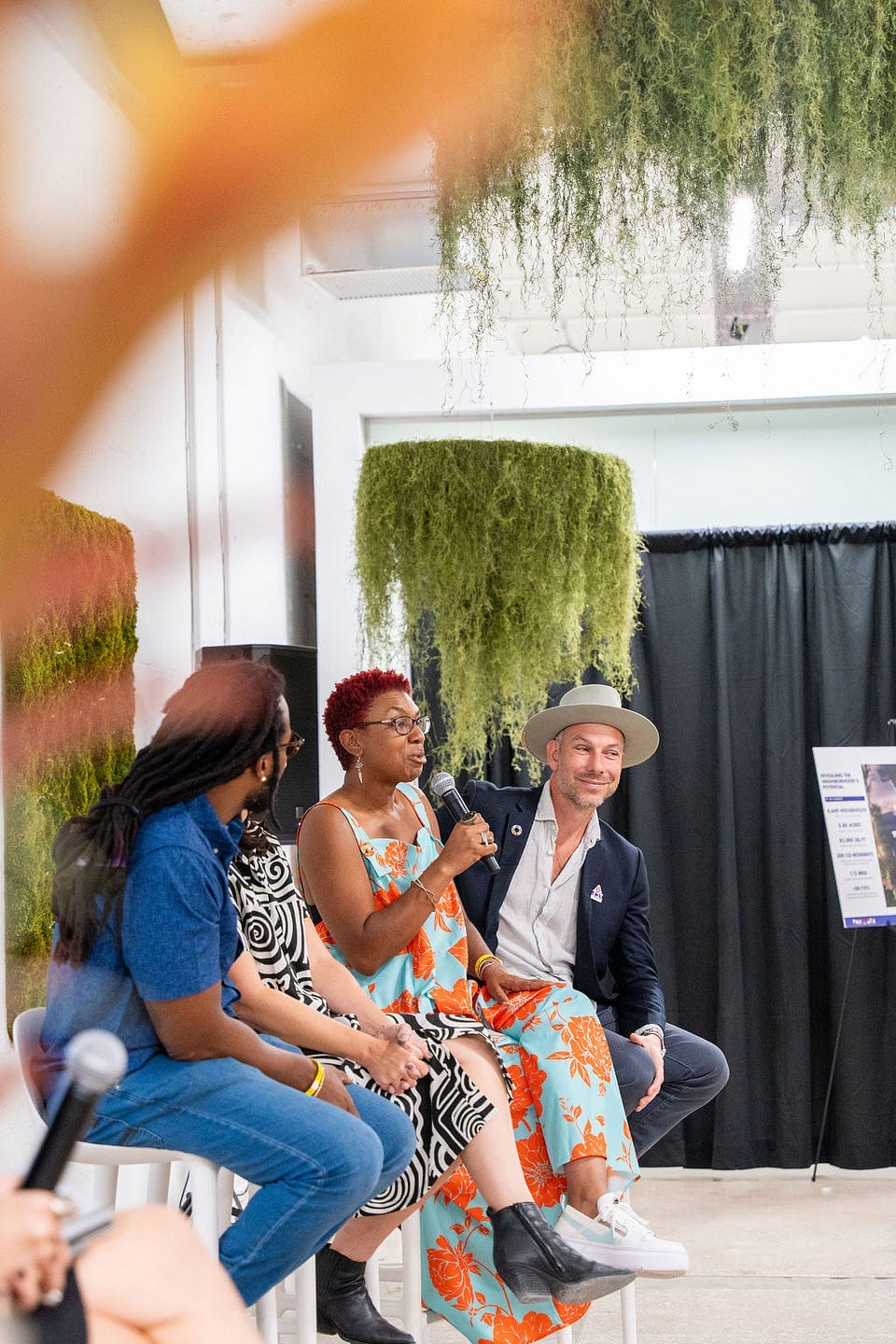
FOC held the Regenerative Placemaking Panel, moderated by Alexandra J Tohme —which zoomed in on local approaches to community uplifting development, challenges from brain drain to displacement and economic exclusion, and presented strategies for equitable growth. The speakers bridged global perspectives from Haiti to the Arab World to South Florida.
Panelists: François Alexandre, Founder & Director of Tapari1804; Emily Moody, Director of Community Engagement, Phoenix Jacksonville Arts + Innovation District (PHX-JAX); Tanya Watts Director of Neighborhood Affairs PHX-JAX moderated by Alexandra J Tohme Director of Regenerative Placemaking FOC.

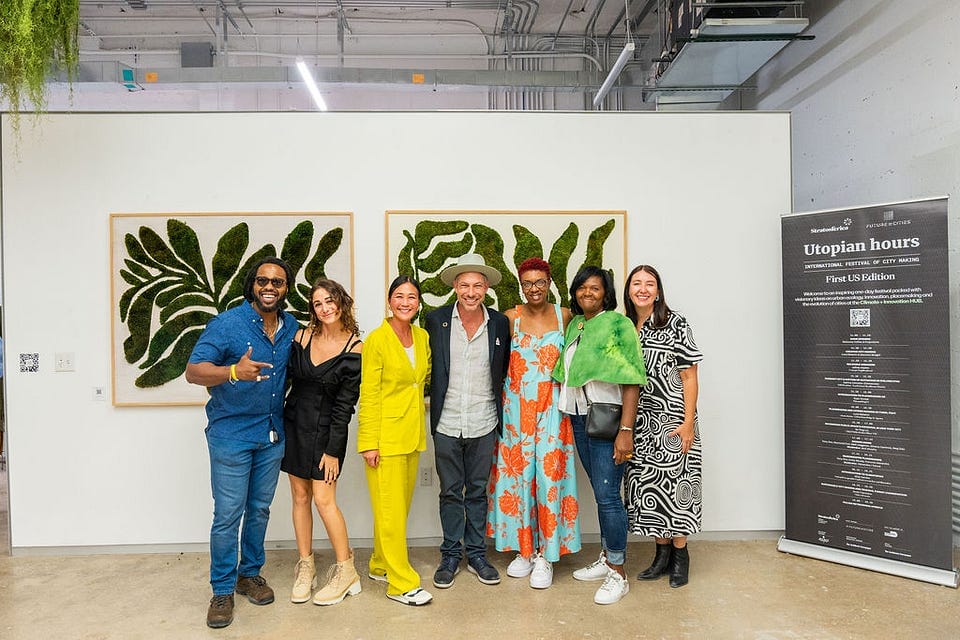
Overall, the community leaders stressed the importance of preserving the dignity of communities undergoing change: “the most important ingredient, to all our efforts is: dignity” said Alexandra. Dignity for the development of the project and its lasting impact, and for all those involved and at stake. This involves uplifting community members with decent services and decent housing. Projects should not jeopardize urban living and livelihood for local residents, but rather should provide, in the words of François Alexandre: “A hand-up, not a hand-out.”
Alexandra spoke to her experiences listening to local communities facing extreme hardship when she worked in refugee camps, and the humility required in this approach — as some of the brightest ideas and most innovative strategies are found within the community members and youth themselves. This extends to the local experiences of our Florida based panelists — with the community leadership of François Alexandre, representing Little Haiti, Miami and Tanya Watts and Emily Moody representing Jacksonville’s neighborhoods of North Springfield and the Eastside.
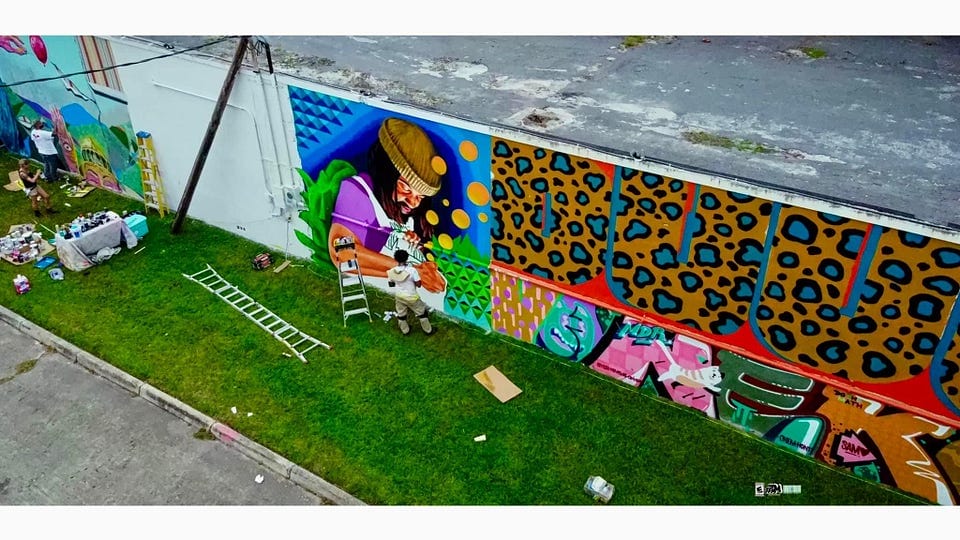
Emily Moody, third generation Jacksonville resident and Director of Community Engagement with PHX-JAX, has been a cultural pioneer and supporting the arts movement to gain traction and momentum by working with local artists, including through activations such as mural festivals and creating outdoor art galleries. Emily also highlighted the need for rent control of art studios to prevent the displacement of artists as property values rise — a point to which Alexandra emphasized that the attraction of new residents and visitors to Jacksonville should be coupled with supporting the existing arts scenes to flourish during this growth.
Among other initiatives by the PHX-JAX District, Tanya Watts discussed how property trainings and tax assistance help residents remain in their neighborhoods amid development.
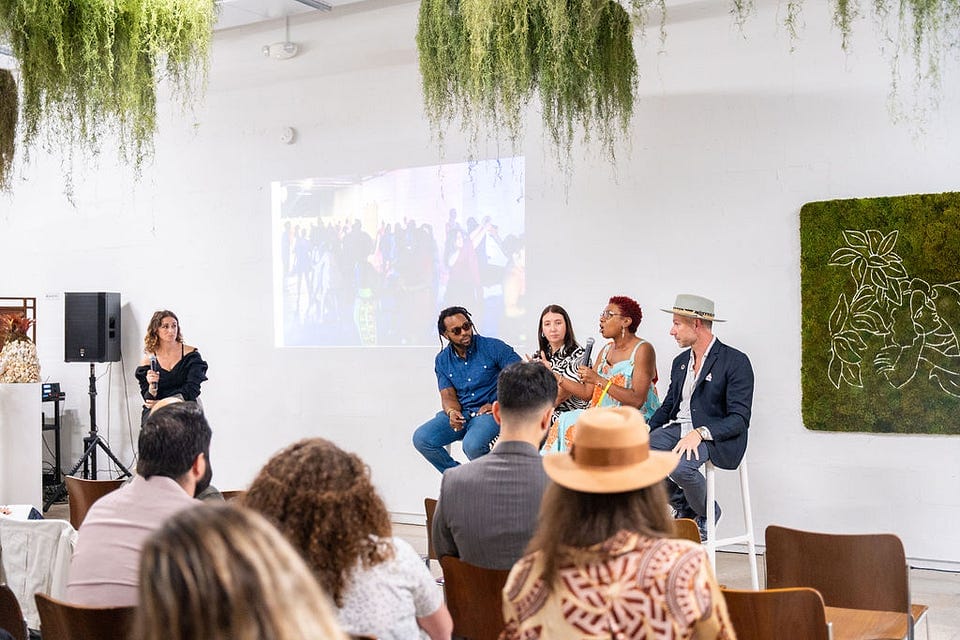
Tanya Watts, Director of Neighborhood Affairs for PHX-JAX, echoed a sentiment raised by François Alexandre on the importance of the culture and the community of the neighborhood, “to make sure they are bridged together and not overlooked — partnering with existing community leaders doing important work, such as Suzanne Pickett of the Historic Eastside CDC — one of oldest historic black neighborhoods in Jacksonville, FL.”
Tanya highlighted many important points including the need to be cognizant of which communities are affected by projects, and how to make sure growth is happening “not to the community, but with the community,’ a point emphasized by François in describing the needed shift in perspective to uplifting communities instead of imposing changes upon them.
We look forward to ensuring that our programming can then take off to build our arts & culture, youth job creation & food security and community initiatives.
“Friends of Phoenix is a new non-profit we have launched,” announced Emily, and one of the pillars to support the mission is “to keep artists in the neighborhood, keep them working and hopefully provide a livable wage to support the flourishment of the neighborhood, and wider city of Jacksonville.”
FOC’s new nonprofit endeavors in Little Haiti and Jacksonville are currently raising funds to support the programming that these community leaders have developed thoughtfully and after deep engagements, consultations, and shared activations in the neighborhoods with local residents, artists, entrepreneurs, and youth.
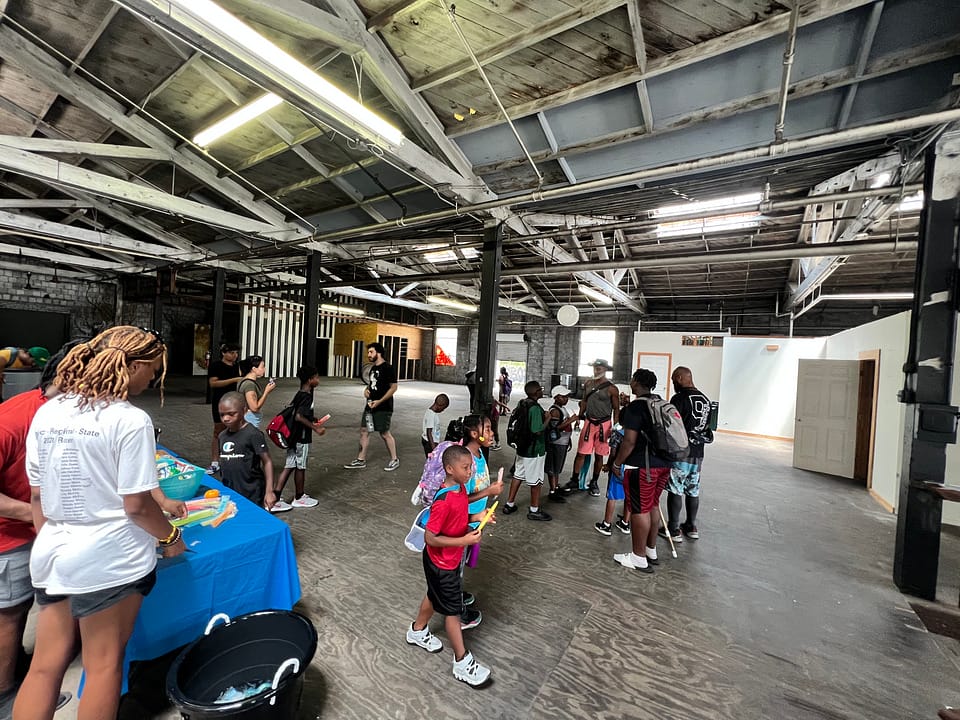
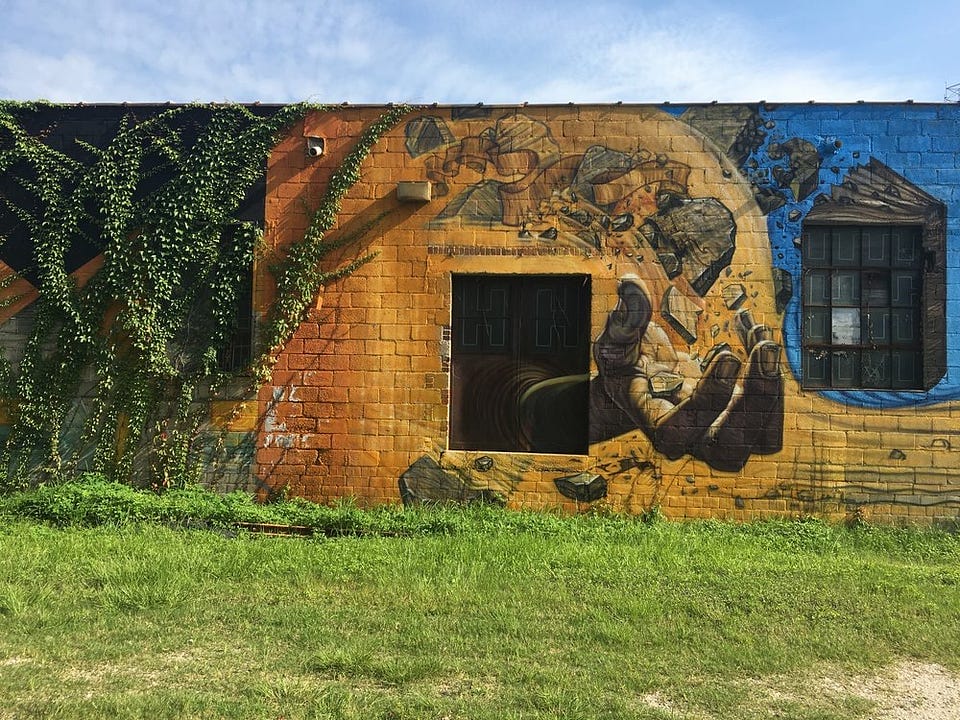
François Alexandre drew attention to the 50th anniversary of the boat people’s migration from Haiti, and that the community takes pride in commemorating its resilience in its historical journey. François expressed his commitment to fostering positive change, understanding the needs of the community, and bridging gaps between various sectors.
Born in Haiti and raised in South Florida, he shared insights into the transformation witnessed in Little Haiti, Miami. The time has never been more crucial than now for co-creation of projects with and by people and groups within the neighborhood. He envisions a collective effort to create a future that caters to the well-being of everyone involved.
François gave a shout out to another speaker and legendary place-maker, systems thinker and practitioner, Scott Francisco, who spoke later that day on his own panel (check out our interview piece with him here about tropical timber harvesting.) What Scott is doing, François emphasized, is a tangible example of the efforts needed:
“He is putting value into communities, indigenous and local family livelihoods, and then that values goes back into the market.
If we could do that in every area, in every neighborhood, then its not just putting value into a coin and turning it into a dollar, but putting value into people, into local businesses, and transforming that into equitable and sustainable lasting economic growth, growth that has resiliency built in and can better withstand shocks, because it puts people, residents and communities at the core.”
Events such as Utopian Hours are important, as François emphasized that gatherings such as this summit bring together “thinkers that envision and work towards what the future looks like for all of us, not just the haves or have-nots, but for all people to move forward. What does it look like collectively, to regenerate a society that we are all part of and cares for all of us?”
~
Become a Regenerative Placemaker and join us in co-creating the future of cities with us as we work together towards a more regenerative future.
Subscribe to our newsletter at focities.com to get involved, email me at: ajtohme@focities.com and follow us on Instagram.
Future Of Cities Medium Blog. Learn more about the Tapari + Future of Cities Collaboration Project on youth empowerment, storytelling and Haitian culture.
To see the photo album from the Utopian Hours City-Making event, see the VACO Studio album here!
A Conversation with Scott Francisco on a new NY State Bill & tropical deforestation
Regenerative Placemaking Demonstration Series
by: Alexandra J Tohme
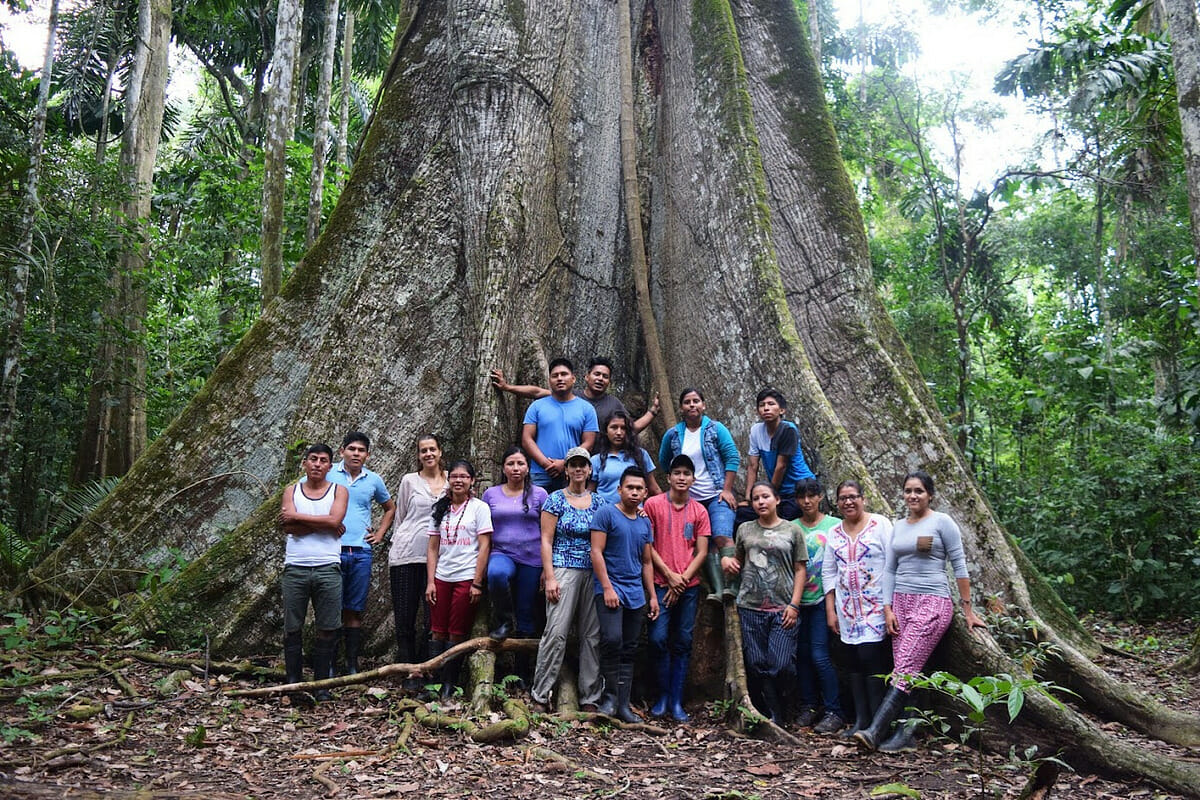
As the world faces complex environmental challenges so interlinked to production and consumption, the conversation around deforestation has gained significant momentum. Future of Cities sat down with Scott Francisco, the founder and director of Pilot Projects Collaborative and co-founder of Cities4Forests, to discuss the New York State Tropical Deforestation Free Procurement Act, the main causes of deforestation, our consumer choices, and how cities can actively engage with forests and forest communities for a regenerative future.
Our conversations began in Switzerland, at a small conference called the Klosters Forum that brought together built environment practitioners, designers, architects and academics in a collaborative setting high up in the mountains outside of Zurich.
As Future of Cities connected with new strategic partners, I decided to follow up on a post that caught my attention on Scott’s LinkedIn, about the New York Bill S 4859.
Interviewing Scott gave me insight into a fascinating market and unique global network connecting indigenous and local family-run forest harvesting communities — to major cities. From Guatemala to Gabon, Mexico and the US — there are regenerative practices being implemented to offer timber as a low-carbon substitute for construction and architecture, while supporting the biodiversity and forest restoration of tropical landscapes.
The discussion in this article seeks to bring light to the cross-sector cutting issue of tropical forests — of prominent importance to demonstrate innovative solutions that hit many positive outcomes for people and the planet.
Long-term relationships are being built across borders and continents — connecting rainforest communities with scientists, architects and city-planners. We hope the new New York State Bill takes this into account.
Scott Francisco’s 30+ year career and passion for Wood and Forests
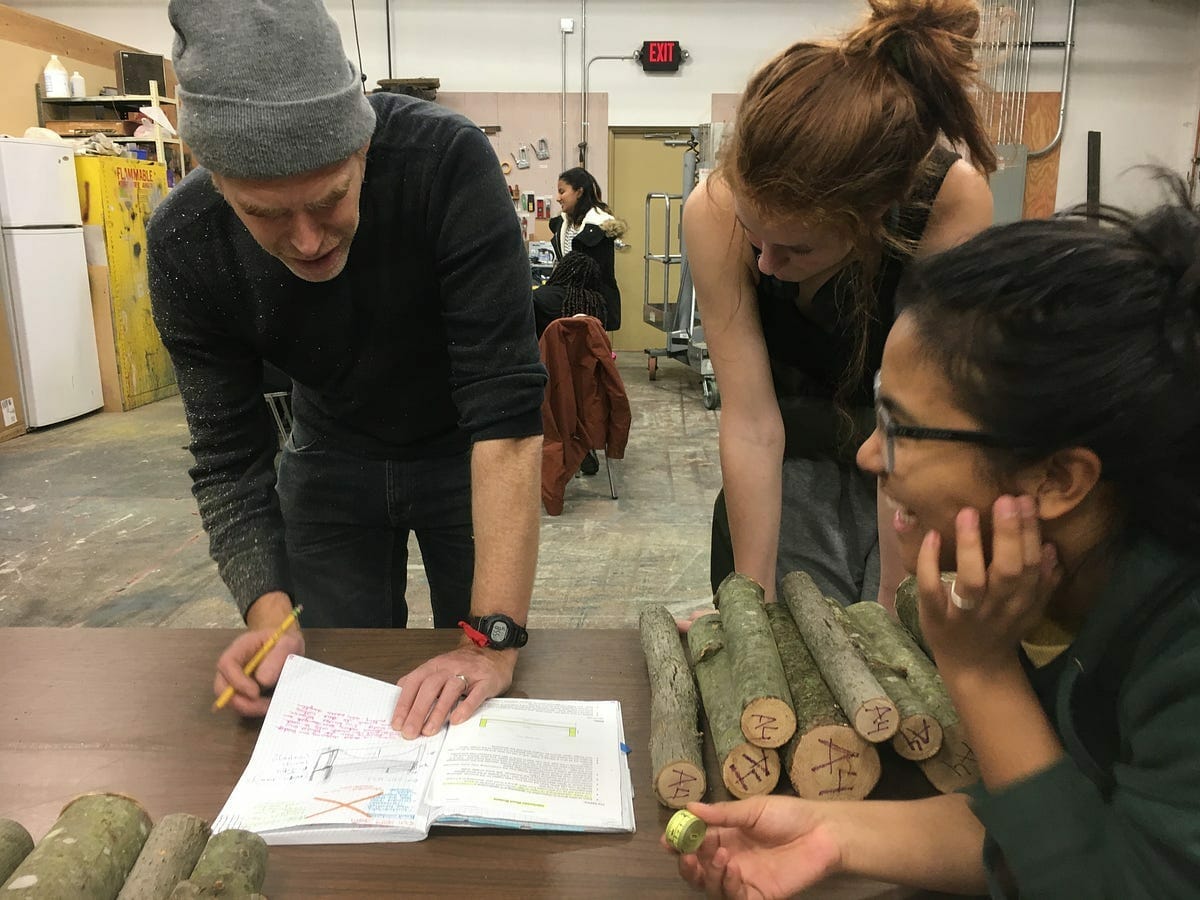
Scott Francisco introduced himself as an architect with a deep passion for wood as a construction material. He remembers how his undergraduate thesis involved creating an all- plywood house, a concept seeming bizarre at the time in the 1990s but foreshadowing the current excitement for mass timber buildings.
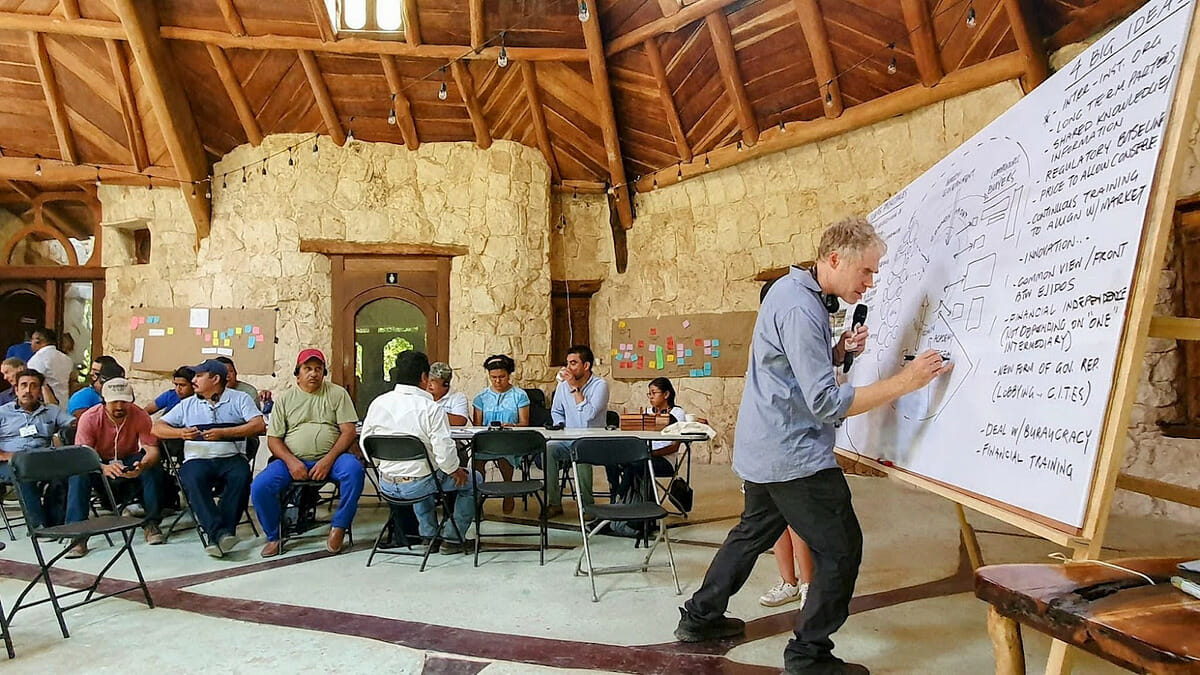
His love for wood led him to consider the larger role of forests in urban development: Can we use wood as a low carbon substitute for concrete and steel, and at the same time protect larger areas of forest from deforestation? Think of a park bench or office building made of wood, instead of concrete, and the forest supplying the timber given a secure future as a result. This opens many possibilities for other architecture & construction using wood to become investors in the future of forests and cities.
He co-founded Cities4Forests, a global network of cities working towards integrating forests into their climate action plans.
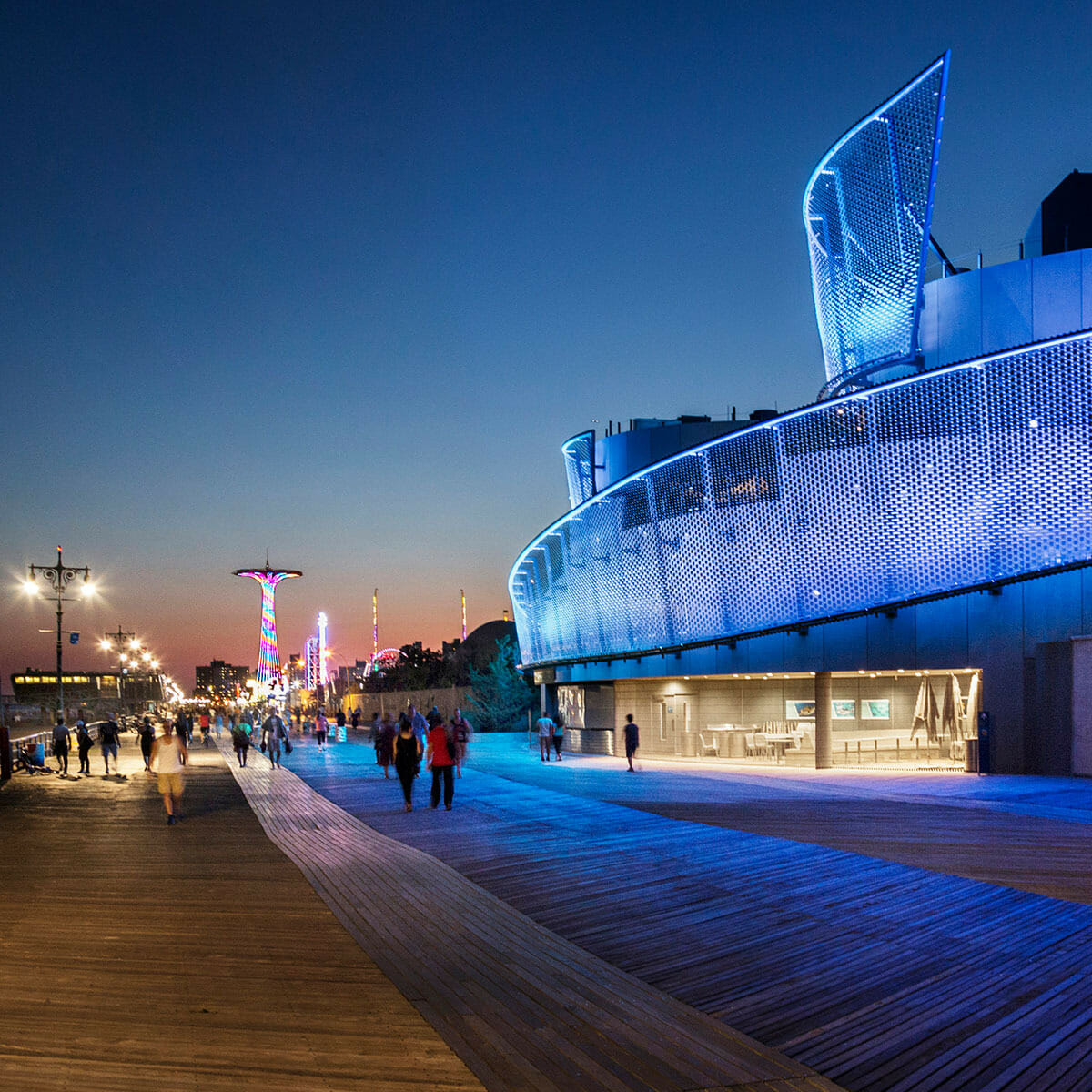
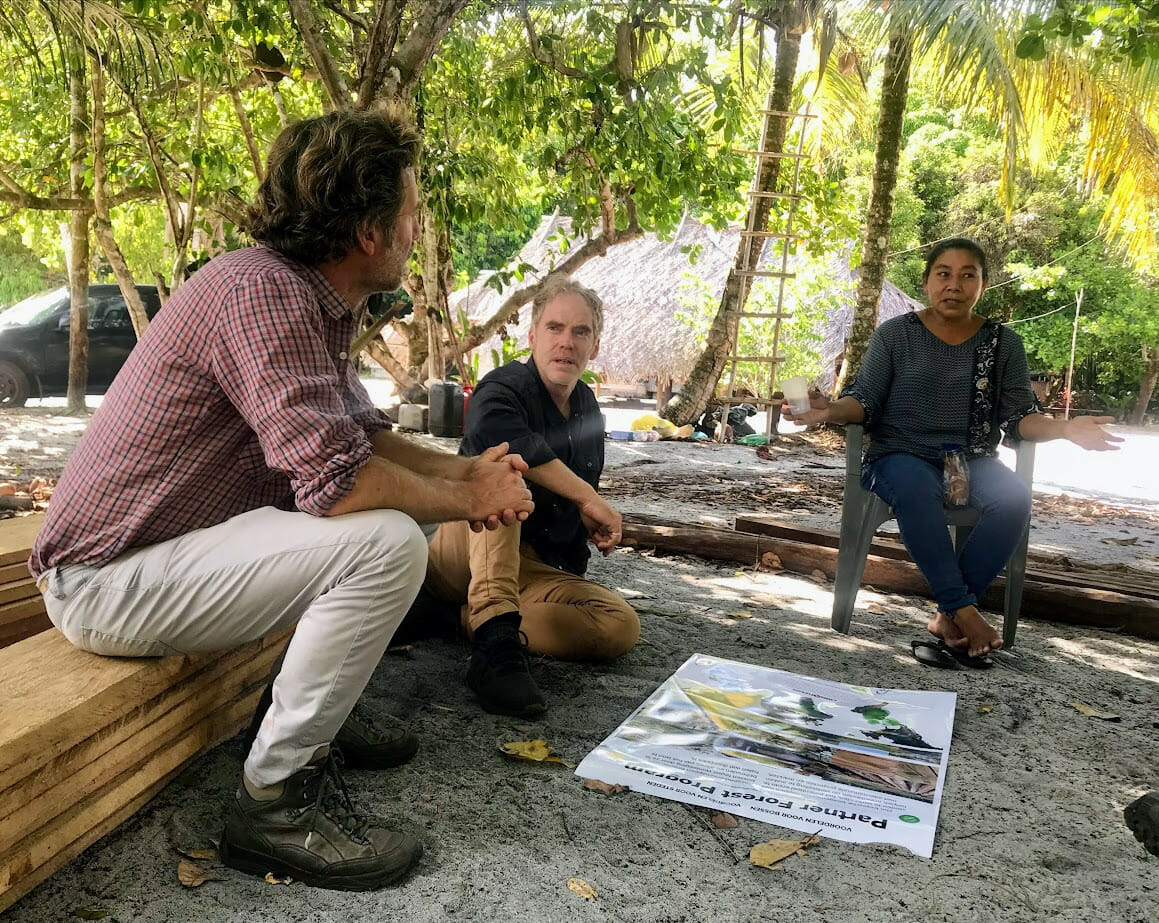
The New York State Tropical Deforestation Free Procurement Act: Explained
Francisco dove into the New York State Tropical Deforestation Free Procurement Act, a bill aimed at curbing deforestation’s negative impacts. The bill prohibits government procurement contracts from including any products associated with deforestation. However, there was a crucial issue — the bill treated all tropical timber equally, regardless of its source or regenerative practices. Poor timber management practices, including illegal and high intensity logging and some monoculture industrial timber plantations, do drive deforestation in many tropical forests. But it’s not the whole story.
“The main drivers of deforestation are the industrial-scale production of beef, soy and palm oil,” said Francisco, primarily in tropical regions, highlighting the growing global commodity and demand for palm oil over the past 15 years, which has resulted in large areas deforested in Indonesia. Beef and soy are similarly destructive in the Amazon.
We at Future of Cities are big advocates and practitioners of biodiverse, small-scale family farming, social forestry, regenerative soil agriculture. The way in which we grow our products and crops deeply affects so many other areas of our lives, health and the planet.
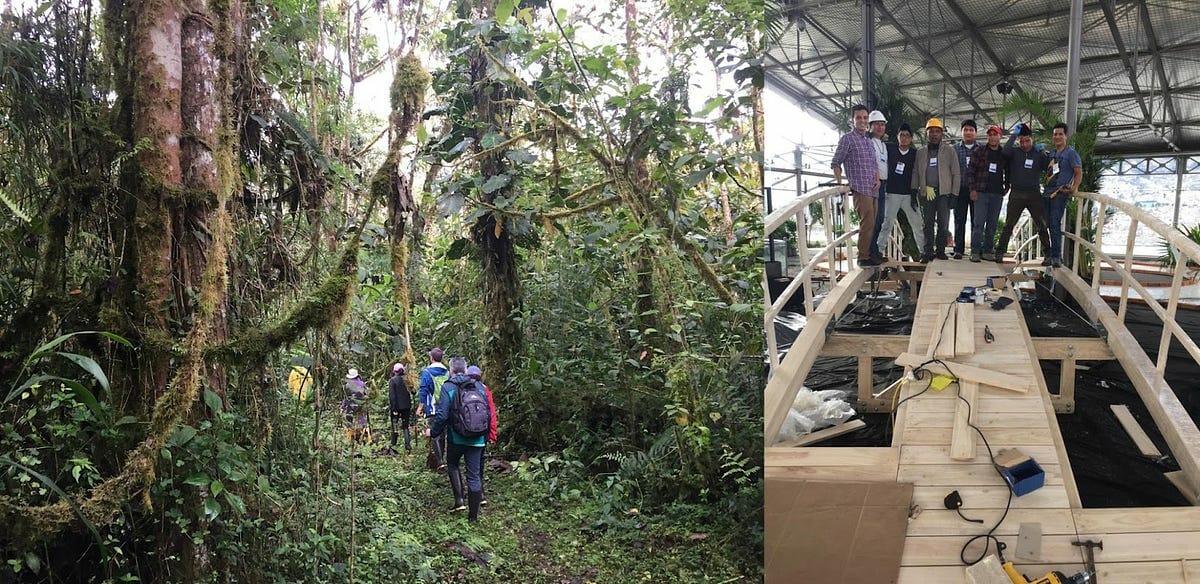
Conservation Timber: A Sustainable Alternative by Local Communities
Scott explained the concept of “conservation timber,” wood harvested sustainably in low volumes from community-managed forests. This approach offers local communities an alternative to deforestation while ensuring biodiversity conservation.
As we focus on regenerative placemaking solutions at FOC — it is so powerful to learn about these methods that allow the forest to regenerate, through active community engagement.
Recognizing and promoting conservation timber and other forest products by local communities is critical for healthy ecologies and economies.
Thousands of families rely on a sustainable harvest of timber as their primary livelihood, to support their children and communities. It didn’t seem right or logical to draft a bill that blanket-prohibits all kinds of timber in government contracts regardless of whether or not they are good for the communities and the forest, or what the outcomes will be.
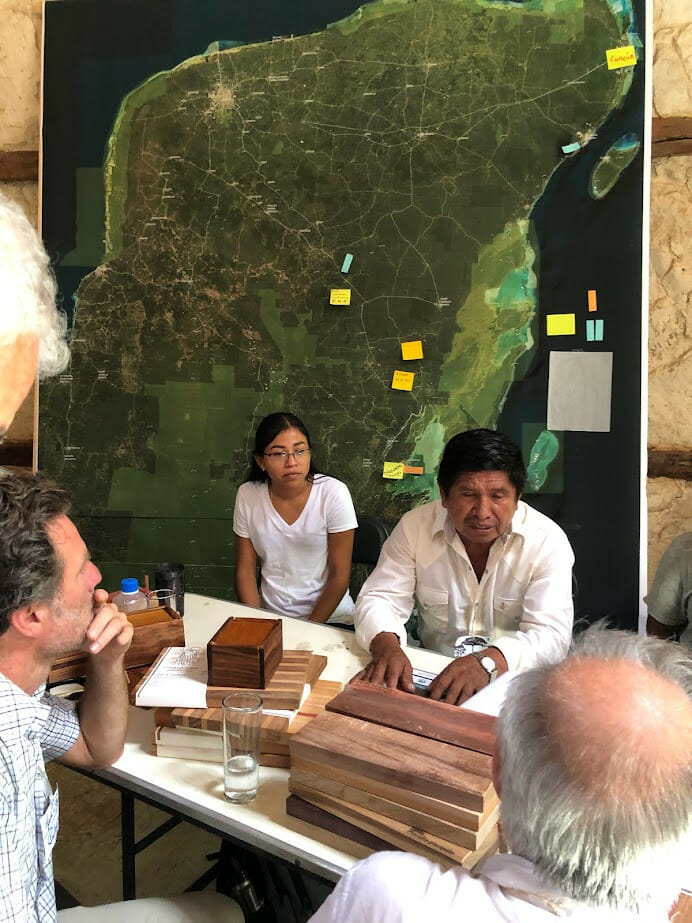
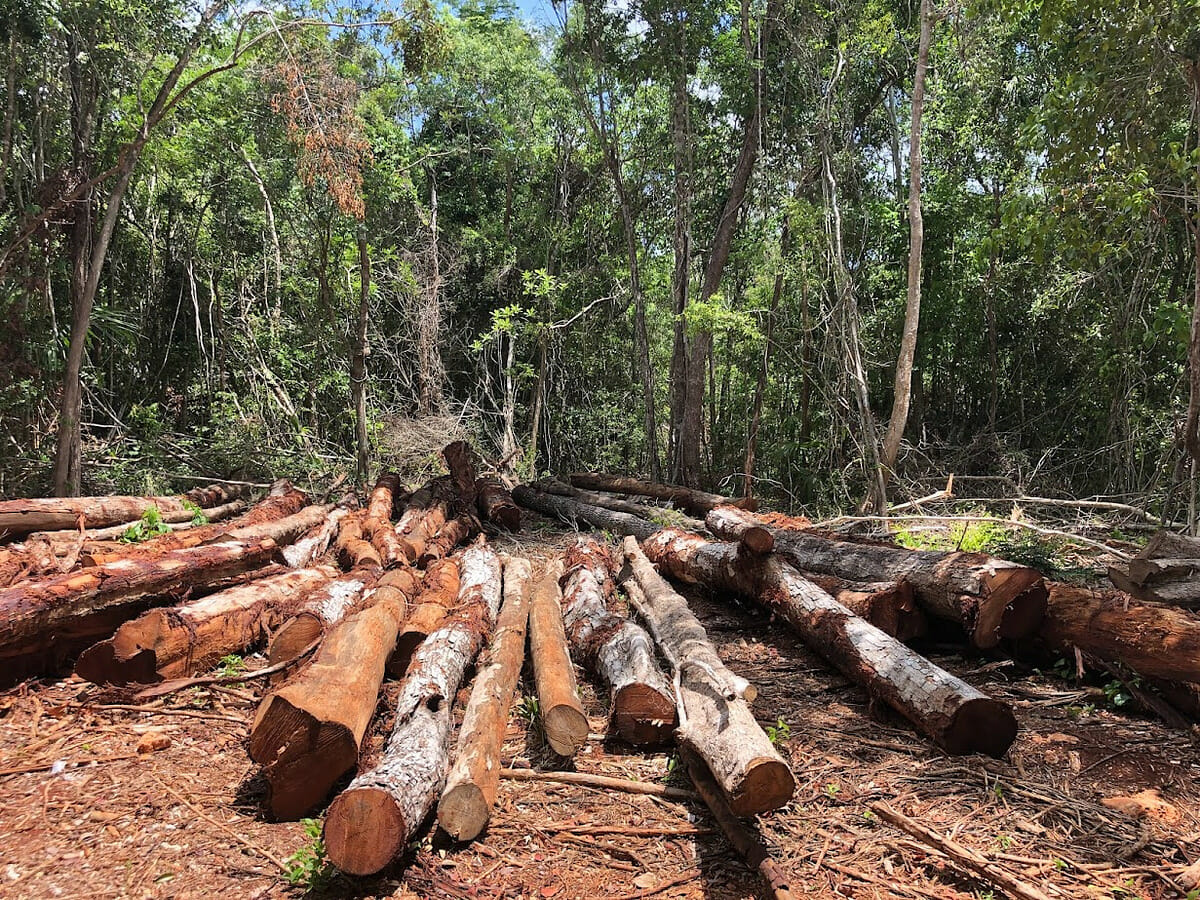
He suggested an amendment to the Bill that specifically states criteria based on management practices that maintain healthy biodiversity, and are economically productive so that those same communities have an alternative to having their forest completely cut down.
One example of such a definition for this criteria could be Forest Stewardship Council (FSC) certification, the broadest and most robust global certification program for timber. FSC certified timber could be a requirement that is added and adjusted in this Bill.
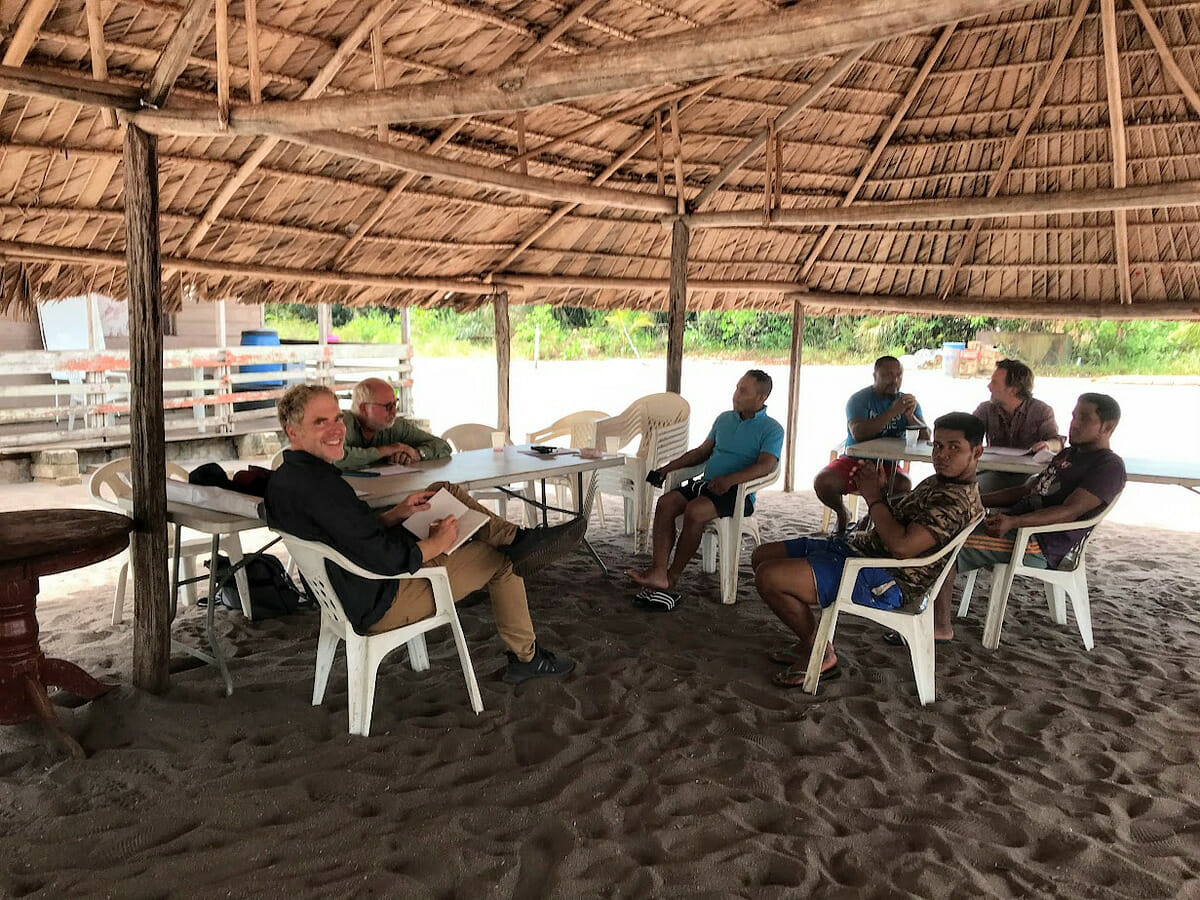
He emphasizes that we can look at timber harvest the same way you would for chocolate or coffee production — two wonderful commodities that also come from tropical forests. There are two ways to harvest: clearcut monoculture that destroys biodiversity and nature-based livelihoods, or regenerative models that rely on shade and rich biodiversity and therefore keep forest landscapes intact.
Imagine if the State of New York decided to purchase only shade-grown bird friendly coffee for government employees that comes from these biodiverse landscapes?
“Just like coffee can be terrible or wonderful for a forest landscape, so can timber be terrible or wonderful.” Francisco said, his passion clear throughout his thoughtful analyses.
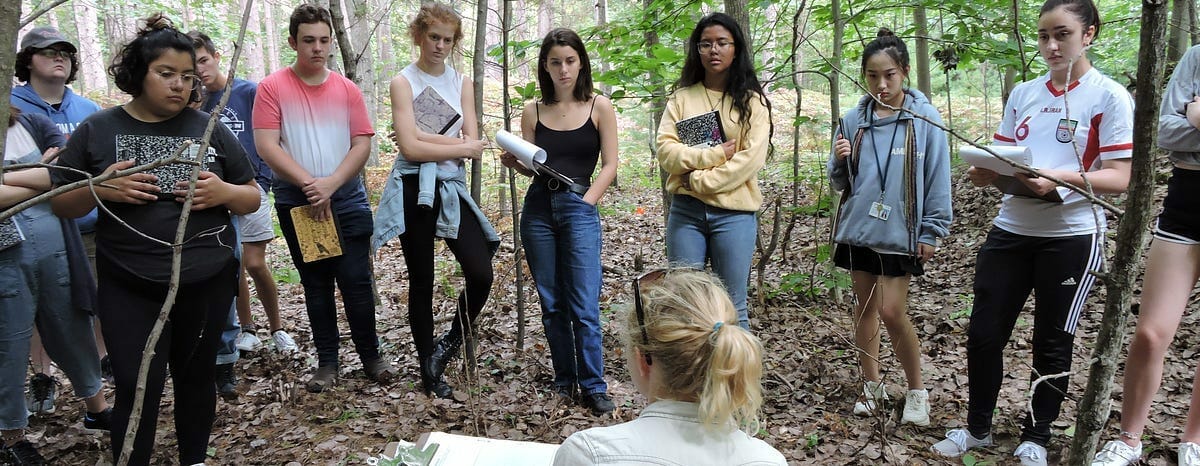
Advocacy at NYC Climate Week + A Guidebook for Developers
“So what can we do?” I inquired, asking about the tools for advocacy and awareness to protect these indigenous-model systems of local and regenerative forestation for construction and urban development. While this bill is still sitting with the governor, he encourages people to engage in constructive discussion and connect to government representatives, notably with NYC Climate Week coming up next week. He encourages engagement with his LinkedIn post, welcoming comments, revisions and feedback to the points he outlined in a letter to the Governor.
Francisco has also co-created useful tools such as the Forest Footprint for Cities, which helps cities track their tropical forest (and climate) impact, and invites us all to check on our cities and use data tools like this in our work, education, and policy advocacy.
Pilot Projects has developed a Sustainable Wood for Cities — a detailed guide for city governments, and private sector group (architects, engineers, developers) to evaluate the sustainability of their wood options, the source and production process, “we call them pathways that can guide you towards higher level of sustainability in your wood choice.”
It’s free to use and anyone can access it at citywoodguide.com
Francisco and I ended the conversation recognizing the value of activating a positive relationship between the rural and urban landscapes to mutually support each other:
“We have to activate cities to be proactive with their rural counterparts.”
To conclude with an excerpt from Scott Francisco’s message:
“Time, science (and satellite photos!) have clearly shown that management by local community residents is the best way to ensure that these forests are intact and healthy decades and centuries later. The businesses that these communities create keep the brightest, most dedicated young people working in these forests, and allows for generational knowledge-transfer over the long term.”
Major conservation organizations like Wildlife Conservation Society, Rainforest Alliance, World Wildlife Fund, Conservation International, U.S. Forest Service, USAID, The Nature Conservancy, and hundreds more, support community-led conservation timber enterprises.
We hope that the great State of New York will too.
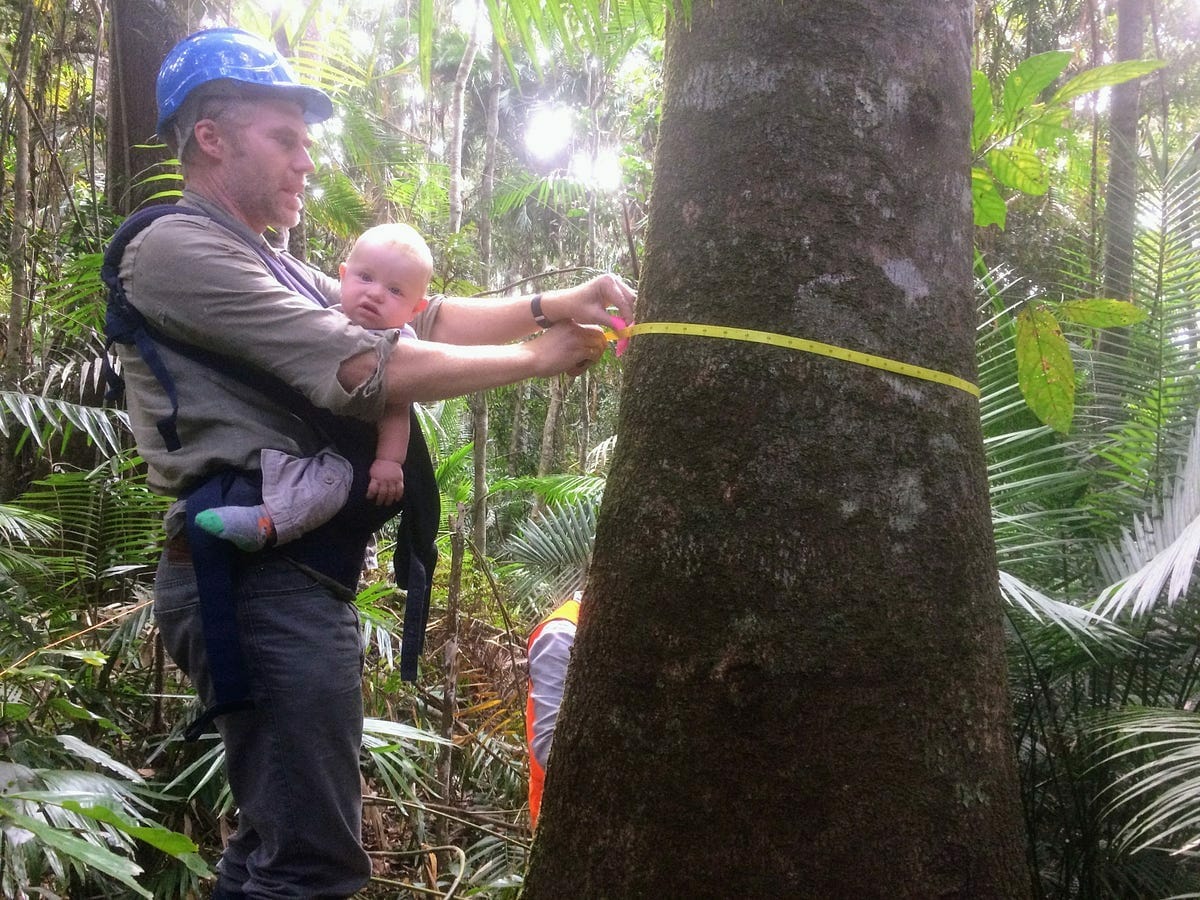
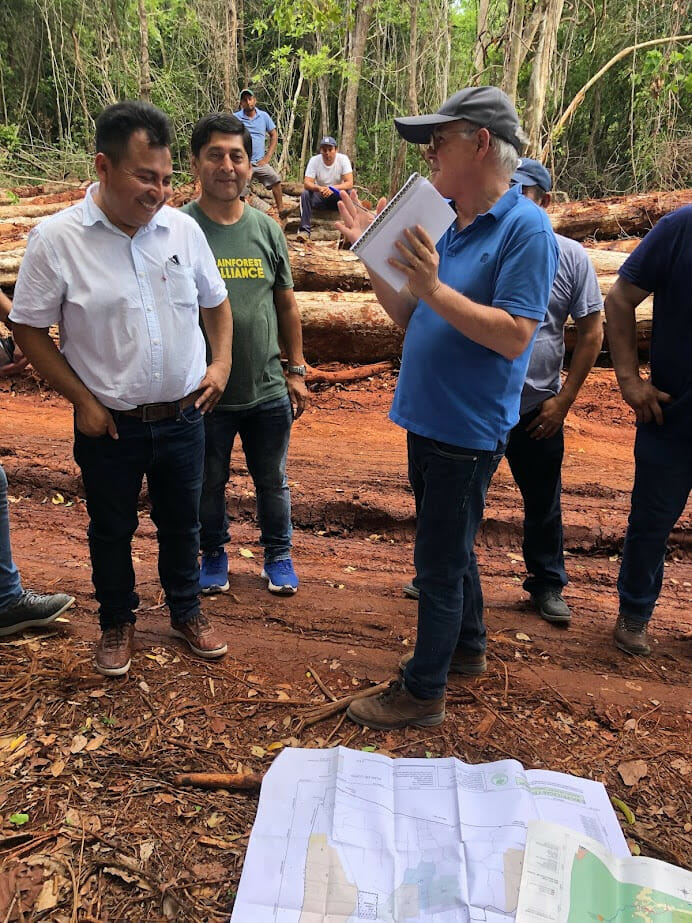
Join the regenerative placemaking movement: Subscribe to our newsletter at focities.com to get involved, email me at: ajtohme@focities.com and follow us on Instagram.
Get in touch with Scott Francisco: scott@pilot-projects.org to learn more about tropical forests and forest communities around the world and follow @partnerforestprogram and @cities4forests.
By: Ochuko Okor
Introduction
The affordable housing crisis in the US is an issue of national concern. Across the country, a large percentage of low-income earners are faced with high costs and a dwindling supply of affordable homes. No state in the US has enough affordable homes to meet the demand of low-income renters and housing costs continue to rise faster than wage growth.
In Florida alone, there are 531,397 extremely low-income (ELI) renter households with a ratio of 28 affordable rental units per 100 ELI households (SOURCE: NLIHC). According to the National Low Income Housing Coalition (NLIHC), there is an estimated shortage of 6.8 million affordable rental homes for ELI families/renters. These numbers are concerning given the established link between housing and building intergenerational wealth, bolstering economic growth, and reducing childhood poverty. The lack of affordable housing in communities can have a host of negative impacts on the community’s social and economic abilities.
The Problem
The NLIHC reports a loss of approximately 2 trillion dollars in low wages and productivity due to a shortage of affordable housing. This begs the question: why is there a shortage of affordable housing? The answer is multifactorial, ranging from the cost of labor and construction materials to low wages and rent surges to zoning and affordable housing laws.
Housing Shortages
Cost of Labor and Construction
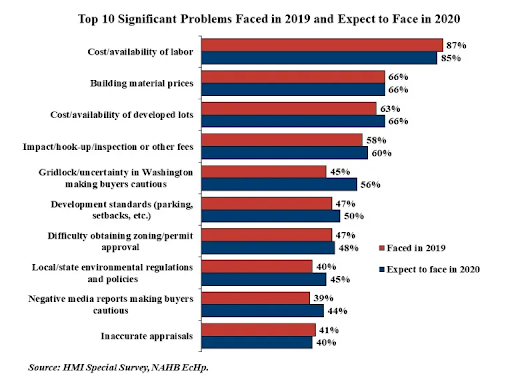
The cost of labor and construction materials have been rising exponentially since 2009, making affordable housing expensive to build. This has only been compounded by the Pandemic and a series of natural disasters, leading to our current hyperinflation situation. According to the National Association of Homebuilders, the cost and availability of labor were reported as a significant problem for 82% of builders in 2021, compared to 13% in 2011. The shortage of construction workers has been an ongoing problem, as the labor force has not been able to recruit and retain the skilled labor force needed to meet the demand of more than half a million skilled workers.
On the other hand, the producer price index (PPI) of raw materials used in construction has risen an estimated 24% since 2008 according to the Bureau of Labor Statistics. Residential developers are focusing on the luxury housing market which provides a high-profit margin. When these developers construct ‘affordable’ housing, the prices are marked up because the housing demand exceeds supply.
Housing Poverty
Funding Vs Income Vs Rent
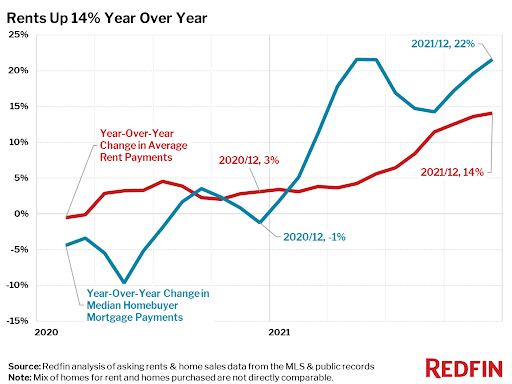
One of the major glaring causes of the affordable housing crisis is the inability to afford rent and sale prices of homes. According to a Redfin survey, the average year to year rent prices experienced a surge of 14% bringing the national average monthly rent, as of December 2021, to $1,877. Major metro areas saw a rent increase of over 30%. Austin, Texas rents increased by 40% bringing the average monthly rent in Austin to $2,290 in December 2021. A household making $50,000 per year in this market would be forced to pay 55% of their income on monthly rent. In addition, these prices do not include the extra burden of the cost of transportation, feeding and other services for daily sustenance. This household would be described as cost-burdened.
The NLIHC defines a cost-burdened household as one that spends 30% of their untaxed income on rent and utilities, which accounts for about 45% of households nationally. 70% of ELI families and households in the US are cost-burdened as they spend more than half off their income on rent. There are numerous existing housing programs that are designed to assist low income families financially, but many of these programs are underfunded, as a result, they are not able to efficiently provide financial assistance to all who come to them. In fact, 3 out of 4 low income renter households in the U.S. that need assistance, do not receive it.
Zoning Laws & ‘Not In My Backyard’ (NIMBY)
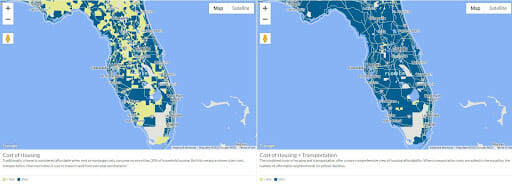
Zoning laws place artificial limits on when and what kind of property can be built either by restricting certain factors such as the height of the building, parking spaces, or development of housing types (i.e. multiple family units, etc). These zoning laws have historically and disproportionately affected low-income and minorities from access to affordable housing by driving up property values, increasing construction costs, and creating a decrease in supply. These laws continue to fuel gentrification and force a spatial distribution of people and jobs. Behavioral characteristics like ‘not-in-my-backyard’ driven by community opposition to affordable housing developments creates a stigma for affordable housing and have caused a hindrance in where affordable housing units are located or built.
Natural Disasters
Natural disasters have a huge impact on the housing market; it contributes to disruptions in the supply chain, labor shortages and shortages in essential construction materials. Natural disasters have increased in frequency and intensity due to climate change. According to CoreLogic’s 2021 climate change catastrophe report, 1 in 10 US residential homes in the US were affected by natural disasters. This means a large number of homes were either destroyed or in need of reconstruction as a result of natural disasters like hurricanes, tornadoes or flooding. These events have also caused the rise and fall of rent prices in affected and neighboring areas.
The Solutions
Increased Funding and Wages
It is clear that there are numerous contributors to the lack of affordability of homes, and a simple increase in the supply of housing units will not be enough to curb the existing issues. An evident step is to increase employee wages to compete with rising market prices. Cost of living varies differently from city to city but with the national average inflation rate rising by 4.7%, goods and services are not getting any cheaper. Higher wages will help increase a household’s financial freedom.
Another approach is to invest in innovative ways to create and sustain financial subsidies to cover either a fixed percentage of housing rent or other costs. For a local level variation of the housing choice vouchers or Section 8, there can be community-level housing choice vouchers that are co-funded through private and public partnerships. Co-partnerships in financing housing programs can raise the potential of catering to more households in need of financing. It can also empower and support families to seek out affordable housing opportunities and usher them into an equity position.
Housing Stock
The housing stock needs to be populated with various housing types that can contribute to the reduction of the cost burden on low-income households in general. Concepts like row houses, and the missing middle housing, which introduces buildings like triplexes and fourplexes, will allow for the creation of denser and compact housing units within high-demand areas. Manufacturing and prototyping housing concepts like 3D printed homes and modular units can be explored to reduce the dependency on the typical raw materials used in housing construction like lumber. Multiple housing concepts like these allow neighborhoods to cater to different types of households while offering varying prices to families.
“The government has an obligation to provide financial support to everybody to find good housing, whether they can afford it on their income or not.”
– Jenny Sheutz,
How To Fix America’s Broken Housing Systems Podcast
YIMBYism & Equitable Access
It is clear that existing housing ordinances are not functioning appropriately, and they need to be revamped to equitably work for all people. The rise in housing prices and unequal spatial distribution of employment has accounted for social and economic inequalities. Many jobs tend to be in metro areas, which are surrounded by overpriced homes due to proximity to downtown amenities. Rapidly developing urban centers attract higher income households; this forces lower income families to move out to more affordable areas, which are typically in suburban areas. A large number of people move outside to areas where there’s not enough housing units built for the large inflow of cost burdened workers.
It is important that both existing and future households are protected from facing challenges due to rising tax rates, discriminatory zoning laws, and redlining. More inclusive and equitable laws should be put in place to protect households from unfair eviction and to allow families more housing options to apply for. New advocacy groups are slowly on the rise bolstering the ‘YIMBY’ or ‘Yes, In my Backyard’ prohousing movement advocating for rezoning and increased housing stock. California YIMBY, for instance, has worked to pass bills like SB-9 on a statewide level to abolish single-family home zoning and allow for the construction of more affordable and multiple building types (plexes).
ELIs and families that seek out affordable housing can also benefit from increased educational awareness on their ownership rights. One way to do this is through frequent and easily accessible opportunities of informational dispersal through public housing workshops, classes and mentoring sessions. This way households will be informed on how to generate wealth and empowered to make smart borrowing, renting and purchasing decisions.
Conclusion
The conversation about affordable housing continues, with so much data being accumulated on what the obstacles and possible solutions are, many families are still being plagued with the issue of affordability. Rising costs of materials, rent and unfair zoning laws are only exacerbating the problem and radical action on the housing system needs to happen. There should be more innovative exploration towards housing laws, financing and ensuring the growth of the affordable housing stock made available for households. The hope is that in the near future, more private and public copartnerships will drive an increased effort towards affordable housing initiatives that can turn this conversation around.
Sources:
https://www.cnn.com/2022/02/16/perspectives/affordable-housing-crisis/index.html
https://www.globest.com/2021/08/27/the-affordable-housing-crisis-is-getting-worse-say-experts/
https://reports.nlihc.org/gap/press-contact#graphics https://reports.nlihc.org/gap/2019/fl
Shaping America’s Role in the Post-COVID World
On March 4th, 2022, Future of Cities participated in the annual digitally mediated Horasis USA meeting. The meeting focused on the United States’ future and how it impacts the rest of the world. With 750 speakers and more than 150 sessions, it was an insightful event that resulted in numerous proposed ideas to positively shape the future of our world.
Tony Cho, CEO and founder of Future of Cities, was on a panel centered around the complexities of new urbanization—chaired by Timothy J. Nichol of Liverpool John Moores University—with Antonio Cantalapiedra of Woonivers, Mayor Eugene W. Grant of Seat Pleasant, Maxim Kiselev of Skoltech, and Avi Rabinovitch of Creative Links.
About Horasis: Horasis is a “global visions community committed to inspiring our future” and offers leaders and companies a platform to go global.
For more content like this, subscribe to our newsletter and follow us on social media!